
A web development company in Edmonton should look past pretty design and check for industry experience, proven lead-generation results, built-in SEO and tracking, and a real support plan after launch. This guide breaks down what to expect, how Cutting Edge Digital Marketing approaches web projects, and the questions worth asking before you hire anyone.
Too many Alberta business owners invest in a new website only to discover it looks professional but never brings in a single qualified lead. That gap between appearance and actual performance costs real revenue, especially for service, trades, and industrial companies already spending thousands of dollars a month on marketing that a weak site can’t convert. A website that only works as a digital brochure wastes traffic instead of turning it into paying customers.
This guide walks through what a web development company in Edmonton should deliver, how Cutting Edge Digital Marketing approaches projects for construction, trades, and industrial clients, and the questions worth asking before you hire anyone. You’ll find the core services to expect, the industry-specific features that build trust, and a practical framework for picking a partner built for long-term growth rather than a quick, cheap fix.
Key Takeaways
A website should function as a 24/7 lead-generation asset, not a static digital brochure that just sits online looking nice.
Industry-specific experience matters more than generic design skills when your customers are contractors, plant managers, or procurement teams.
Proper tracking and SEO must be built into a site from day one, not bolted on after launch.
Cutting Edge Digital Marketing ranks #1-2 in Edmonton across multiple categories in the 2026 Trust Analytica rankings.
A long-term strategic partner beats picking the cheapest vendor almost every time.
Table of Contents
- What Does A Web Development Company In Edmonton Actually Do?
- Why Cutting Edge Digital Marketing Stands Out In Edmonton
- How Does Professional Web Development Improve Lead Generation?
- What Should Your Website Include For Your Industry?
- Why Should Web Development Be Part Of A Bigger Marketing Strategy?
- How Do You Choose The Right Web Development Partner In Edmonton?
- The Bottom Line
- Frequently Asked Questions
What Does A Web Development Company In Edmonton Actually Do?
A web development company in Edmonton designs, builds, and maintains the websites and web applications that Alberta businesses rely on to attract customers and manage leads. This work covers custom website design, e-commerce platforms, content management systems such as WordPress, and search engine optimization built directly into the site’s code and structure. Professional developers also handle web application development for companies that need customer portals, project trackers, or equipment configurators that go beyond a standard brochure site. The strongest providers do more than create attractive pages. They build proper site architecture, fast load times, and measurable tracking from the very first day of the project, because those technical foundations affect everything downstream, from search rankings to conversion rates. Construction firms, mechanical contractors, and oil and gas service companies each need slightly different features, but the underlying principles of industrial website design principles stay constant across every industry.
Core Services You Should Expect
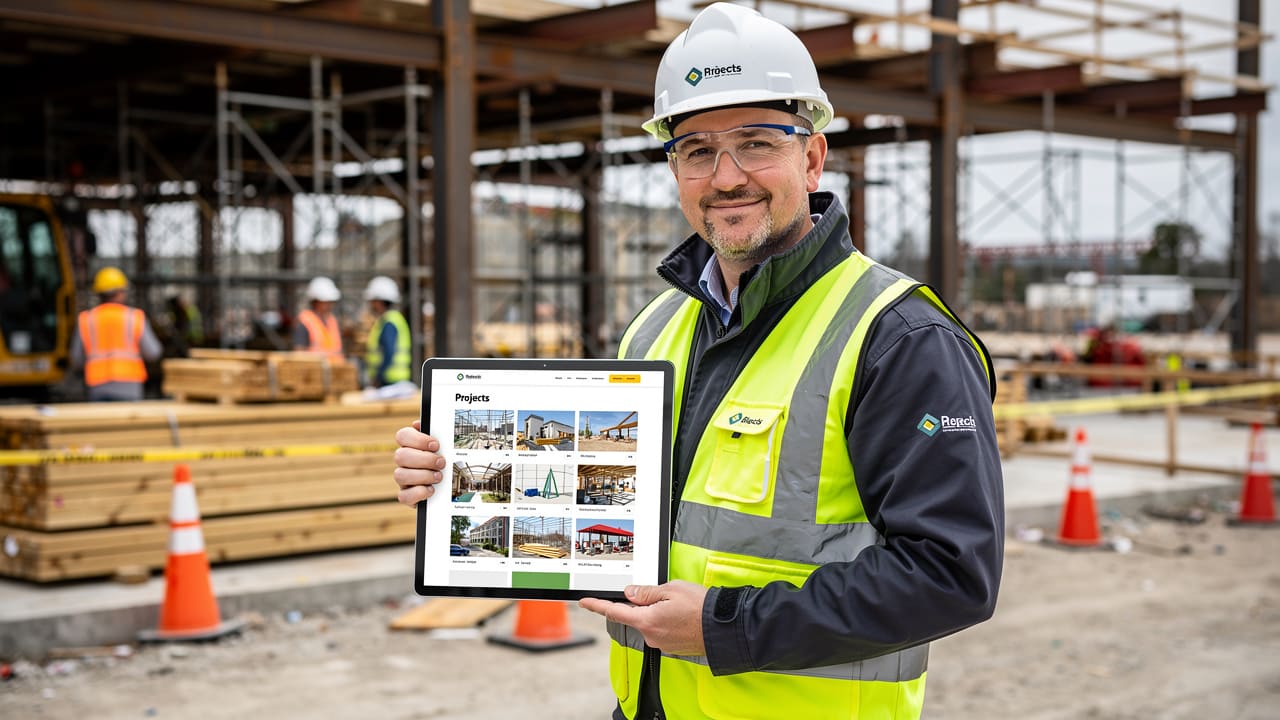
Knowing which deliverables to expect helps you evaluate proposals from any website designer in Edmonton before signing a contract. A complete web development services package should include the following core elements.
Custom website design and development that reflects your brand rather than a recycled template.
Mobile responsive design that works cleanly across phones, tablets, and desktops.
E-commerce web development for businesses selling parts, equipment, or services online.
WordPress development or another flexible CMS that lets your team update content without calling a developer every time.
Web application development for portals, booking tools, or project management dashboards.
Ongoing maintenance and support covering security updates, backups, and performance checks.
SEO and analytics tracking belong on this list too, and they should be built into the site from the start rather than added as an afterthought once the project wraps up.
Why Cutting Edge Digital Marketing Stands Out In Edmonton
Cutting Edge Digital Marketing stands out among Edmonton web development companies because it treats every website as part of a bigger growth strategy instead of a one-off design job. The agency holds official 2026 Trust Analytica recognition across four separate categories in both Edmonton and Alberta, a level of third-party validation few local competitors can match. Rather than offering templated packages, the team builds fully customized sites for each client’s industry, goals, and stage of growth. This strategic marketing partner approach means the same team guiding your website can also manage digital marketing services, keeping every channel pointed at the same lead-generation goal. For a business owner who doesn’t have time to manage a website project personally, that consistency removes a lot of the guesswork. It also means fewer handoffs between vendors, fewer inconsistent messages across channels, and one point of accountability for results.
Trust Analytica Rankings And Recognition
Trust Analytica is an independent research and ranking platform that evaluates marketing and service providers across North America using performance and reputation data. Cutting Edge Digital Marketing earned recognition in four categories for 2026, and badges for each ranking are viewable directly at cuttingedgedm.com.
| Category | Edmonton Rank | Alberta Rank |
|---|---|---|
| Advertising Agency | #1 | #2 |
| Marketing Agency | #1 | #2 |
| Internet Marketing Service | #2 | #3 |
| Website Designer | #2 | #2 |
That’s not one category, not two. Four, across the city and the province. Rankings spanning advertising, marketing, internet marketing, and website design show consistent performance rather than strength in a single category alone.
This doesn’t happen by accident. It’s the result of the work every single person on this team puts in every day. Keep building.
Industry-Specific Expertise That Delivers Results
The team has worked directly with industrial website development agency services, fabrication, and equipment rental businesses across Alberta. That hands-on experience means they already understand how a plant manager searches for a fabrication shop or how a homeowner evaluates a licensed electrician before picking up the phone.
Every site is built from scratch rather than pulled from a generic template, which lets messaging reflect the real language customers use in these industries. The focus stays on revenue-aligned development, meaning design choices get measured against lead generation and conversion goals rather than how a page merely looks in isolation.
How Does Professional Web Development Improve Lead Generation?
Professional web development improves lead generation by turning a website into an active sales tool instead of a passive online listing. Conversion-focused design uses clear calls-to-action, simple navigation, and fast-loading pages to guide visitors toward requesting a quote or picking up the phone. conversion tracking setup through tools like Google Analytics shows exactly which pages, keywords, and campaigns produce real inquiries, so marketing spend gets measured instead of guessed at. That matters most for Alberta businesses spending $2,000 to $10,000 a month on marketing, because a site that doesn’t convert wastes every dollar spent driving traffic to it. When the technical foundation and the design work together, visitors move smoothly from search result to submitted form. That measurable path is what separates a web development company in Edmonton worth hiring from one that just builds pages and disappears.
Turning Website Traffic Into Paying Customers
Turning traffic into paying customers comes down to removing friction at every step of the visitor’s path. Clear calls-to-action placed above the fold, short contact forms, and click-to-call buttons on mobile all reduce the effort required to reach out. Mobile-first design matters even more for trades and service businesses, since many customers search for help while standing on a job site or sitting in their truck.
Fast, responsive design also CDN services for speed regardless of device, which stops impatient visitors from bouncing to a competitor’s site instead. For a business already investing real marketing dollars each month, a site built to convert that traffic is what turns ad spend and search rankings into actual booked jobs.
What Should Your Website Include For Your Industry?

Your website needs different features depending on whether you run a trades company, an industrial operation, or a professional service firm, because each audience judges credibility differently. A construction contractor’s customers want to see finished projects and licensing details, while a plant manager sourcing fabrication work wants technical specifications and equipment capacity listed clearly up front. Oil and gas service companies often need secure customer portals or documentation pages that a general contractor would never require. This is exactly why Wix vs WordPress comparison these businesses so often. A one-size-fits-all theme built for a retail shop or a restaurant doesn’t answer the questions an industrial buyer or a homeowner hiring a trades contractor actually has, which is why industry-specific development consistently outperforms recycled designs.
Construction, Trades, And Industrial Website Essentials
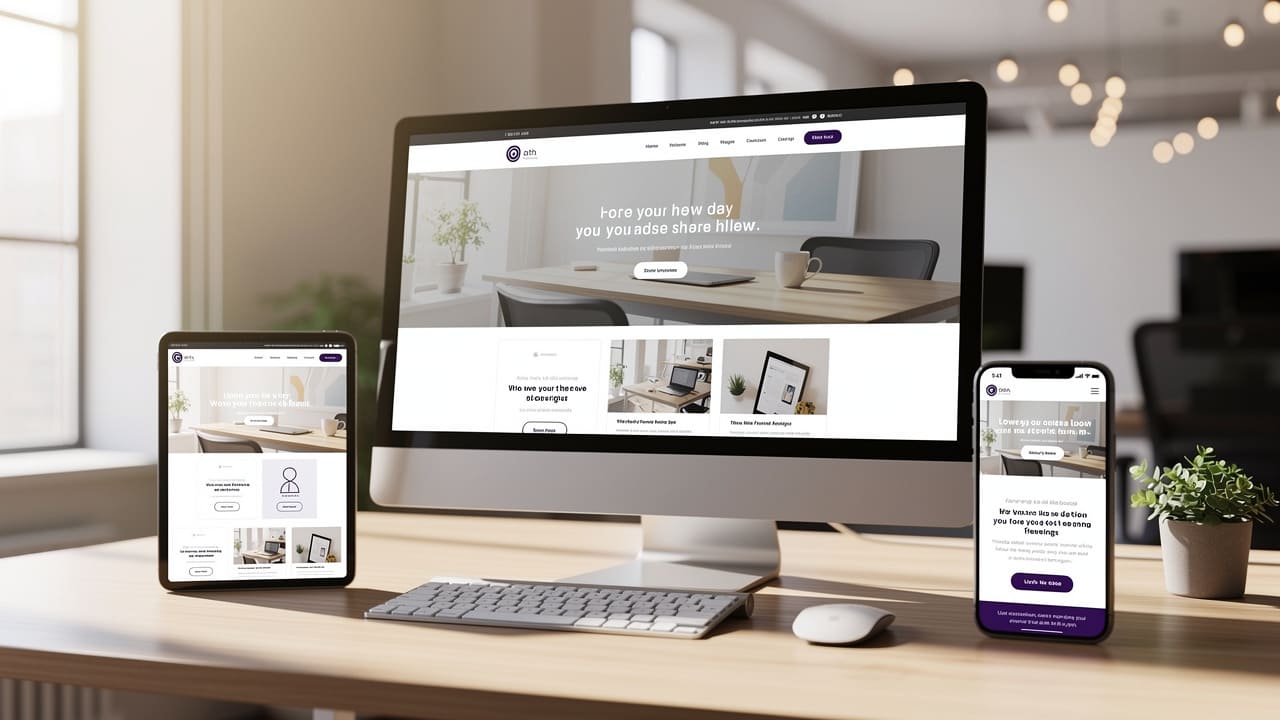
Certain features consistently build trust with both commercial and residential clients evaluating a construction or industrial company online.
Project portfolios with photos and details from completed jobs similar to what the visitor needs done.
Licensing, certification, and insurance information displayed clearly rather than buried on a contact page.
Customer testimonials and reviews that speak to reliability, safety, and quality of work.
Technical specifications and equipment details for industrial buyers comparing capabilities side by side.
Secure customer portals for tracking project status, submitting documents, or requesting quotes directly.
These elements do more than fill space on a page. They answer the exact questions a buyer has before ever calling, which shortens the sales cycle and builds trust before the first conversation even starts.
Why Should Web Development Be Part Of A Bigger Marketing Strategy?
Web development works best as one piece of a connected marketing strategy rather than a standalone project finished once and forgotten. Cutting Edge Digital Marketing combines website development with SEO, Google Ads specialist Edmonton, Meta Ads, LinkedIn Ads, and Microsoft Ads into a single growth engine, so traffic from every channel lands on a site built to convert it. A strong site multiplies the return on every other marketing dollar spent, because paid ads and organic rankings only produce value when the destination page actually turns visitors into leads. Treating web development, search visibility, and advertising as separate projects run by separate vendors often creates inconsistent messaging and wasted spend. When one team manages the full system, tracking stays unified and decisions get made based on what’s actually generating revenue, not on guesswork.
Avoiding The Common Pitfalls Of Cheap Web Providers

Choosing the cheapest web provider often costs more in the long run once the hidden gaps become obvious. Many budget builds skip proper tracking setup entirely, leaving business owners with no way to measure which pages or campaigns actually generate leads.
No analytics or conversion tracking configured at launch.
Generic templates that look identical to dozens of competitor sites.
Little to no ongoing support once the final invoice gets paid.
Weak calls-to-action and confusing navigation that quietly kill lead conversion.
This is the alternative a genuine strategic partner offers: building long-term relationships that treat a website as an evolving asset rather than a finished product handed off and forgotten.
How Do You Choose The Right Web Development Partner In Edmonton?

Working with the right web development company in Edmonton starts with checking whether the company has real experience in your industry rather than just a broad, general portfolio. Ask to see examples of sites they’ve built for businesses similar in size and sector to yours, and request references you can actually call. A firm that understands construction, trades, or industrial sales cycles will choosing a digital agency partner than one that treats every project the same way.
Communication style and project management approach matter just as much as technical skill. Find out who you’ll talk to during the build, how often you’ll get updates, and what happens when you need a change after launch. Confirm the provider builds in tracking and SEO fundamentals from day one, since fixing these later costs more time and money than doing it right the first time.
Finally, weigh scalability and long-term partnership potential above the lowest quoted price. A site that can’t grow with your business will need costly rebuilding within a few years, while a partner willing to guide strategy over time protects that investment. The cheapest proposal rarely accounts for ongoing support, security updates, or the marketing integration that makes a website actually perform.
The Bottom Line
A website only earns its keep when it works as a lead-generation system, not a digital brochure that sits online looking professional but produces nothing. The businesses that get the most value from their web investment treat it as ongoing infrastructure, backed by tracking, SEO, and a team that understands their industry inside and out.
Cutting Edge Digital Marketing brings that approach to every project, backed by 2026 Trust Analytica rankings across four categories in Edmonton and Alberta and deep experience serving construction, trades, and industrial clients. If your current site isn’t generating qualified leads, contact us and get started on a site designed around growth rather than appearances.
Frequently Asked Questions
How Much Does Web Development Cost In Edmonton?
Costs vary widely, from a few thousand dollars for a straightforward brochure site to tens of thousands for a custom platform with e-commerce, integrations, or web applications. Rather than viewing this as a flat expense, think of it as an investment tied to lead generation. A site that converts visitors into qualified leads pays for itself through the revenue it generates over time.
How Long Does It Take To Build A Business Website?
Timelines typically range from four to eight weeks for a straightforward custom site, and three to six months for e-commerce platforms or projects with complex integrations. Rushed builds often skip proper tracking and SEO foundations to hit a deadline, which costs more to fix later than it would have cost to build correctly the first time.
Do I Need A Custom Website Or Is A Template Enough?
A template can work for a very simple site, but trades and industrial businesses usually need custom web development to reflect their specific services, credentials, and customer psychology. Templates rarely accommodate technical specifications, project portfolios, or industry-specific calls-to-action. Custom development costs more upfront but better reflects your brand and converts more traffic into leads.
Can My Website Be Redesigned Without Losing My Current SEO Rankings?
Yes, as long as the redesign follows proper practices, including 301 redirects from old URLs, preserving your existing content structure, and maintaining page-level SEO elements throughout the transition. This is a common concern for established businesses, and a qualified developer will map your current site before launch to prevent any ranking losses.
What Ongoing Support Should I Expect After My Website Launches?
Expect regular security updates, uptime and performance monitoring, content updates as your business changes, and periodic analytics reviews to see what’s working. Ongoing support should feel like a long-term partnership rather than a one-time handoff, with your developer checking in and making improvements as your goals evolve.