
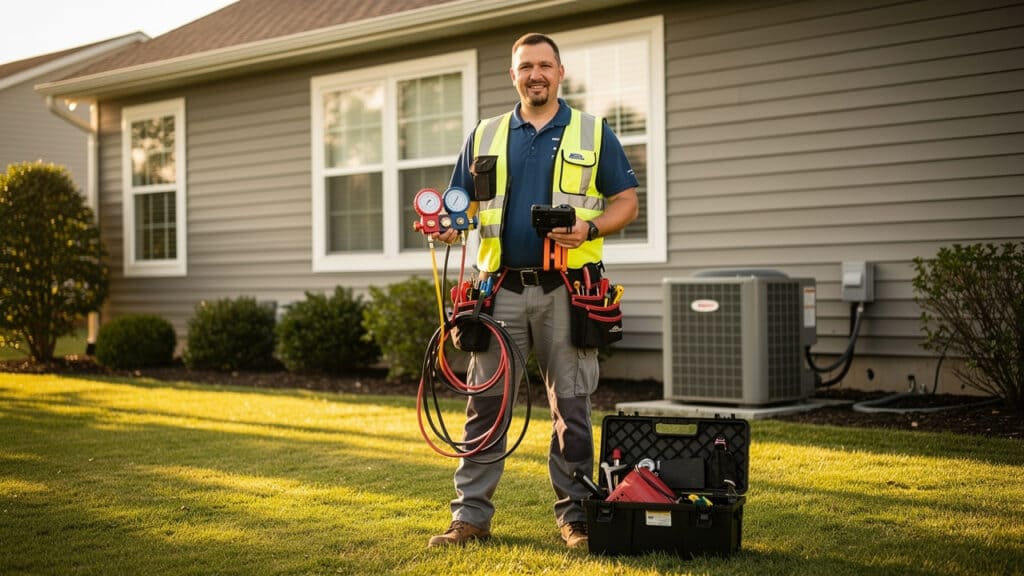
Web design for HVAC companies in Alberta needs to win the moment a furnace quits or an AC dies. A fast, mobile-friendly site with your phone number front and center turns that panic into a booked call before a competitor picks up the phone instead.
An Edmonton homeowner whose furnace quits on a January night doesn’t browse slowly. They search, tap the first mobile-friendly result, and call. If your HVAC company’s website loads slowly or buries your phone number, that job goes to a competitor before you even notice the missed opportunity.
This guide breaks down what actually works for Alberta heating and cooling contractors competing online. We’ll cover the must-have elements of a converting HVAC website, how to build trust with homeowners inviting technicians into their homes, and how local SEO turns Edmonton and Calgary searches into booked jobs. We’ll also look at conversion tools like contact forms and call tracking, and how to choose a web design partner, like Cutting Edge Digital Marketing, that treats your site as part of a full marketing system rather than a one-off project.
Keep reading to see exactly where Alberta HVAC websites lose leads, and how to fix it.
Key Takeaways
A professional HVAC website works as a 24/7 lead-generation tool, not a digital brochure, capturing calls even outside business hours.
Mobile speed and click-to-call buttons decide whether a panicked customer with a broken furnace reaches you or your competitor first.
Local SEO built around Edmonton, Calgary, and surrounding Alberta communities brings in ready-to-book leads searching “near me.”
Trust signals like reviews, certifications, and real technician photos convert cautious homeowners into booked appointments.
Website design delivers the strongest return when it’s part of an integrated marketing system, not a standalone project.
Table of Contents
- What Makes Web Design Critical for HVAC Companies in Alberta?
- What Are the Must-Have Elements of a High-Converting HVAC Website?
- How Do You Build Trust With Alberta Homeowners and Businesses Online?
- How Does Local SEO Help HVAC Companies Win Jobs in Edmonton?
- How Can Your Website Turn Visitors Into Booked Service Calls?
- Why Choose Cutting Edge Digital Marketing for HVAC Web Design Services in Alberta?
- The Takeaway
- Frequently Asked Questions
What Makes Web Design Critical for HVAC Companies in Alberta?
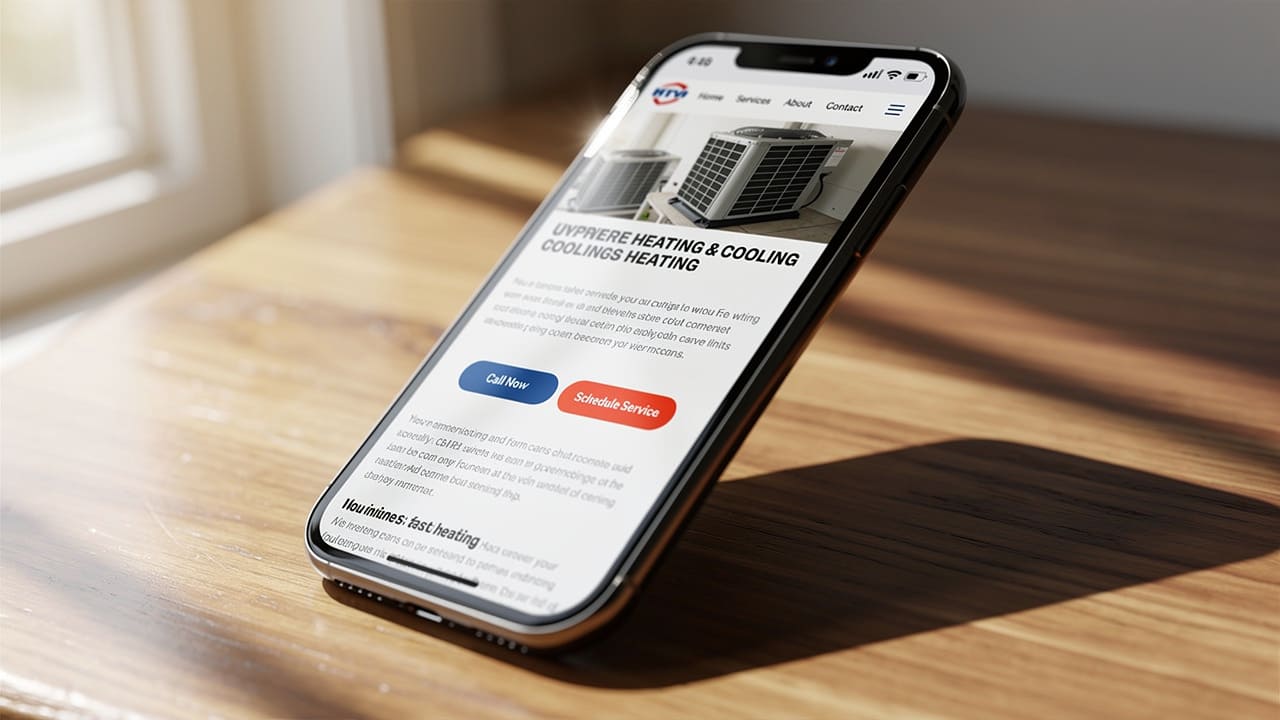
Web design for HVAC companies is critical in Alberta because most homeowners and facility managers now choose a heating and cooling contractor based on what they find online before they ever pick up the phone. Competing locally means your site has to load fast, look professional, and answer buyer questions the moment a furnace fails or an air conditioner quits during a heat warning. Alberta’s seasonal swings push this urgency to extremes, since a cold snap hitting Edmonton in January or a summer heat wave rolling through Calgary can spike search volume for emergency HVAC service within hours, a pattern reflected in broader HVAC industry statistics on seasonal demand.
Companies already spending $2,000 to $10,000 a month on marketing, a common range for established Alberta trades businesses, can’t afford a website that wastes that investment with slow load times or an unclear path to booking, especially since HVAC systems drive roughly 48% of residential energy use and customers expect that same efficiency mindset reflected in a fast, well-run site. A website redesign is important for growth doesn’t just look unprofessional, it actively pushes potential customers toward competitors who answer the “who do I call” question faster. Strong web design gives every other marketing dollar, from Google Ads to local SEO, somewhere effective to send traffic, turning clicks into booked service calls instead of bounced visits.
Why Do Edmonton HVAC Businesses Need a Digital Storefront?
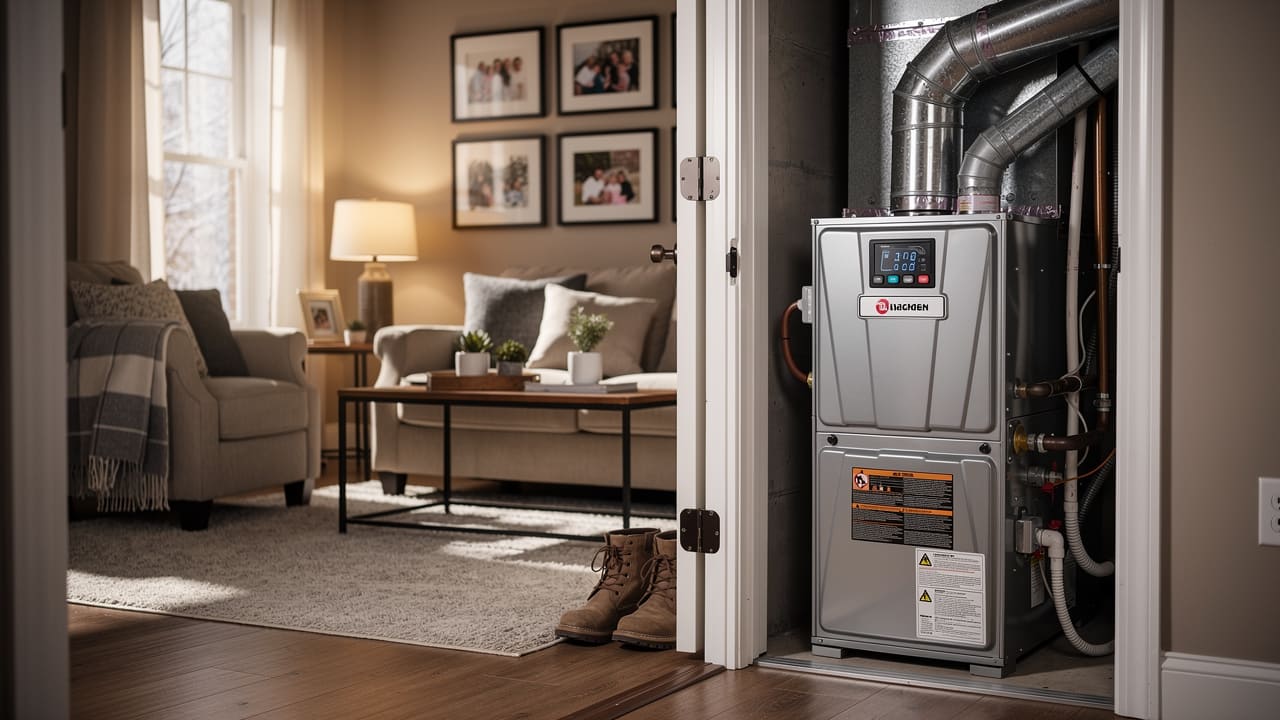
Edmonton’s heating and cooling demand swings hard between brutal winter cold snaps and summer air conditioning rushes, and your website has to perform under that pressure every time. A digital storefront that loads quickly, shows your service area clearly, and puts your phone number front and center wins the call. Competitors running modern, mobile-friendly sites capture the emergency jobs that slower or outdated pages simply miss.
What Are the Must-Have Elements of a High-Converting HVAC Website?
A high-converting HVAC website combines a handful of core elements that work together to turn browsers into booked jobs. Consider the following:
A clear homepage that states your services, service area, and value proposition within seconds, so visitors never have to hunt for what you do or where you work.
Intuitive navigation with clear categories for heating, cooling, maintenance, and emergency service, keeping visitors moving toward a call or a form instead of hitting the back button.
Detailed service pages that go beyond generic one-paragraph descriptions and actually answer the practical questions homeowners have about cost, process, and timeline.
Visual proof, since photos of your actual technicians, trucks, and completed installations build more confidence than polished stock imagery ever will. Before-and-after photos of major replacements are especially persuasive.
Video content, whether a short team introduction or a walkthrough of a completed furnace install, that adds a layer of authenticity static text can’t match.
Visible contact information on every page, not website footer placement, with your phone number, service area, and hours displayed near the top.
None of this needs to be flashy. It needs to load fast and guide visitors toward one of a few clear next steps.
How Should Service Pages Be Structured?
Each service your company offers, whether that’s furnace repair, air conditioning installation, or seasonal maintenance plans, deserves its own dedicated page rather than a shared paragraph on a general services list. A strong service page explains what the service involves, the benefits to the customer, a realistic price range, and how long the job typically takes.
Every service page should end with a call-to-action that matches the visitor’s urgency, something like Request a Free Estimate for planned work or Book Emergency Service for same-day needs. Keeping this structure consistent across pages helps customers compare options quickly and builds confidence that your company runs an organized operation.
Why Does Mobile Speed and Click-to-Call Matter So Much?
Over 60% of web traffic now happens on responsive web design, and for HVAC companies a large share of that traffic arrives during genuine emergencies, like a broken furnace on a cold Edmonton night. Pages need to load in under three seconds, with a click-to-call button visible without scrolling, or frustrated visitors will simply call the next name on their search results.
How Do You Build Trust With Alberta Homeowners and Businesses Online?
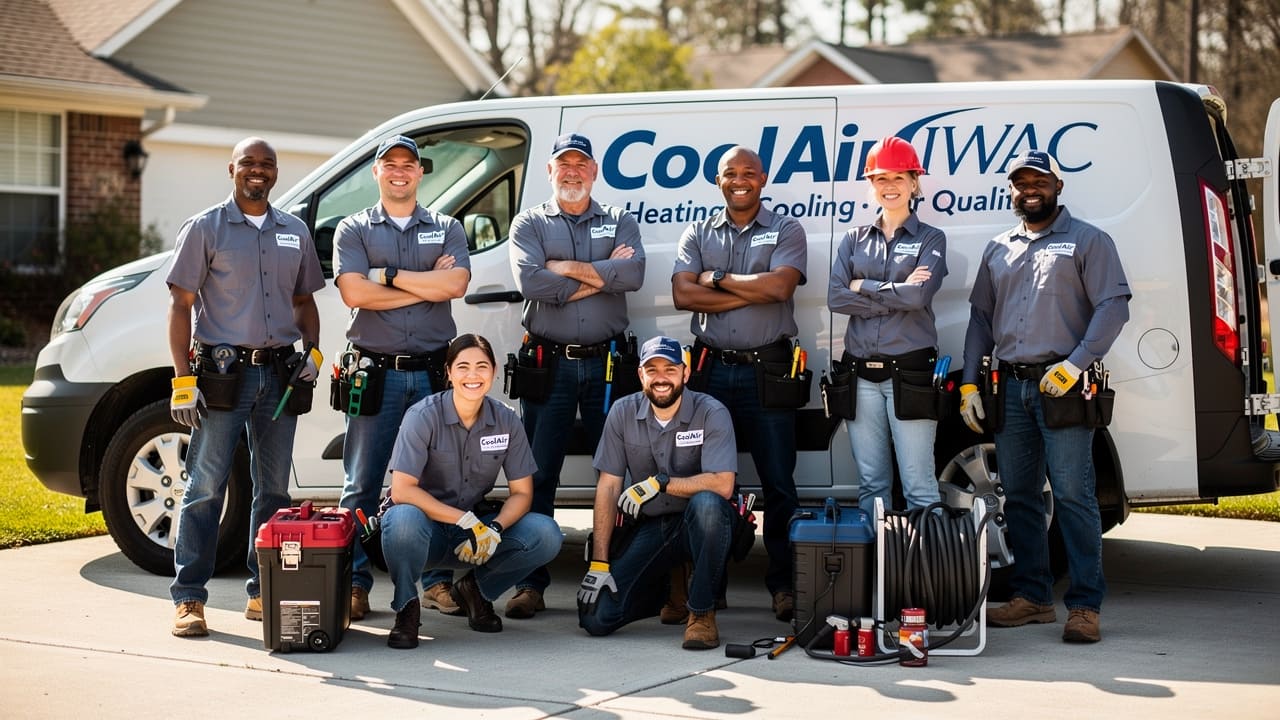
Building trust with Alberta homeowners and businesses online means proving, before a technician ever knocks on the door, that your company is qualified, reliable, and easy to deal with, since research on webpage prototypicality and user attitudes shows that how familiar and trustworthy a page looks directly shapes visitor confidence. HVAC customers are inviting a stranger into their home to work on expensive equipment, so hesitation is natural, and your website needs to answer the unspoken question of whether you can be trusted.
Genuine customer testimonials, ideally with names, photos, or short video clips, carry far more weight than a generic star rating with no context behind it.
Certifications, provincial licensing, insurance details, and manufacturer partnerships should be visible rather than buried on an about page nobody visits.
Case studies that walk through a real project, what the problem was, what you did, and what the result looked like, give potential customers a concrete reason to believe you can solve their specific issue.
Real team photos, with names and a bit of background, help customers feel comfortable picturing exactly who’s showing up at their door.
What Trust Signals Matter Most for In-Home Service Calls?
For a business where technicians work inside someone’s home, a few trust signals matter more than the rest. Provincial certifications, WCB coverage, and manufacturer partnerships should sit near the top of the homepage or service pages, not hidden in small print, because these are the credentials homeowners actually check before booking.
Photos and video of real technicians on real jobs do more to build confidence than any stock photo library ever could. A short video testimonial from an actual customer describing their experience carries more weight than pages of written reviews, because it shows a real person vouching for your company.
How Does Local SEO Help HVAC Companies Win Jobs in Edmonton?
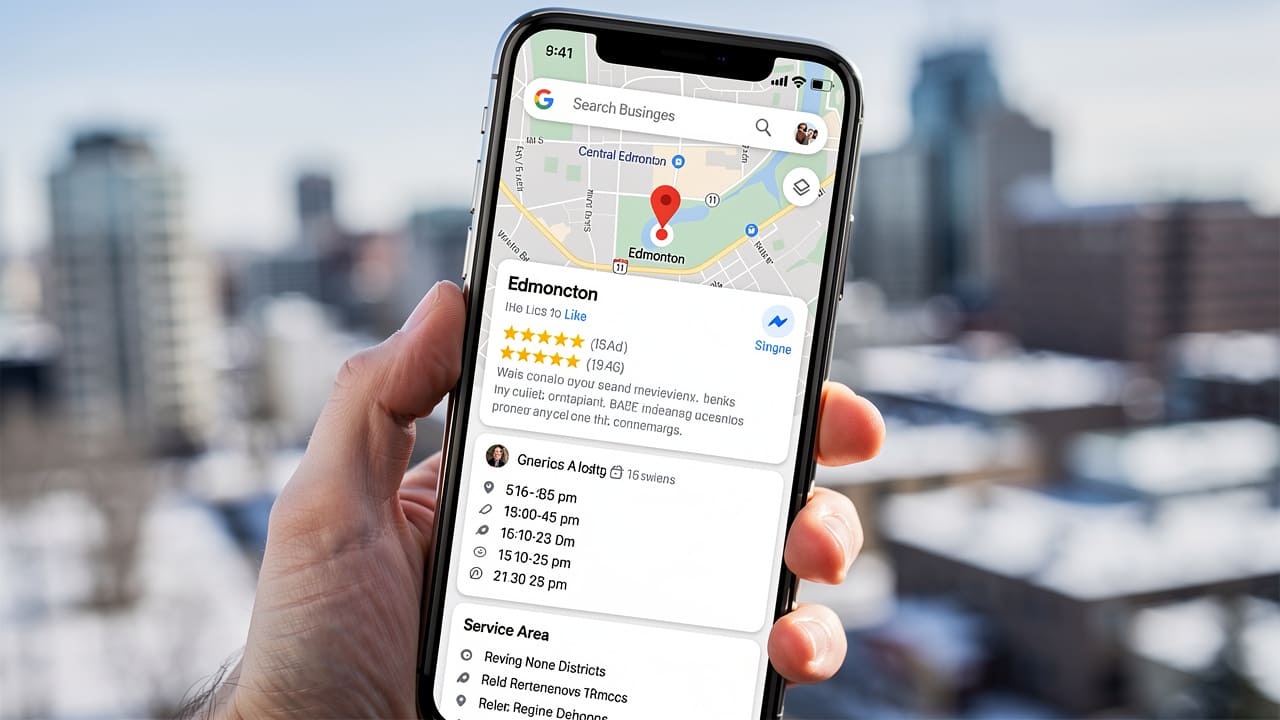
Local SEO helps HVAC companies win jobs in Edmonton by making sure your website shows up when someone nearby searches for heating or cooling help right now, not next week. Most HVAC searches carry obvious local intent, whether that’s “furnace repair Edmonton” or “AC installation near me,” and a site built around these patterns captures customers at the exact moment they’re ready to call.
Dedicated location pages for Edmonton, Calgary, Sherwood Park, and other Alberta communities you serve signal to both Google and potential customers that you genuinely work in their area, not just that you happen to have a website. A complete, regularly updated Google Business Profile with accurate hours, service areas, and photos directly affects whether you appear in the local map results that most mobile searchers click first.
Consistency matters too, since your business name, address, and phone number need to match exactly across your website, your Google listing, and any directories you’re listed in, because mismatched information confuses search engines and can quietly hurt your rankings. Building citations through Alberta business directories, chamber of commerce listings, and industry associations adds further weight to your local search presence while creating backlinks that strengthen your site’s overall authority. None of this replaces solid web development for trades, it works alongside it, since a well-optimized page that loads slowly or confuses visitors still loses the job.
Which Keywords and Pages Should Alberta HVAC Sites Target?
Alberta HVAC websites should target specific, high-intent terms like furnace repair Edmonton, AC installation Alberta, or emergency HVAC service Calgary, rather than broad national keywords that bring in traffic outside your service area. These terms belong naturally in page titles, headings, and the opening sentences of content, not stuffed in repeatedly.
| Service Type | Example Target Page |
|---|---|
| Furnace repair | Furnace Repair in Edmonton |
| AC installation | Air Conditioning Installation in Calgary |
| Emergency service | 24/7 Emergency HVAC Service Alberta |
| Maintenance plans | Furnace and AC Maintenance Plans |
Instead of one generic service areas list, build a dedicated page for each significant community you serve, complete with local details and testimonials from customers in that area. This gives search engines far more specific signals to work with, and gives customers proof you actually know their neighbourhood.
How Can Your Website Turn Visitors Into Booked Service Calls?

Your website turns visitors into booked service calls by removing friction at every point where someone might hesitate to reach out. Strategic calls-to-action placed throughout the site, not just buried at the bottom of a page, guide visitors toward the next step whether they’re dealing with an emergency or planning ahead. Short, simple contact forms convert far better than long ones asking for excessive detail upfront, since every extra required field gives a hesitant visitor another reason to close the tab.
Live chat adds real value here too, letting a visitor get quick answers before committing to a phone call, which matters when someone is comparing three or four companies at once, a conversion strategy also outlined in the ultimate guide to HVAC website design. None of this works, though, without website analytics tracking, ads, and keywords are actually generating booked jobs rather than just traffic. Call tracking numbers and form analytics reveal which parts of your site perform and which quietly leak leads, giving you the data to fix what isn’t working instead of guessing.
A few CTA examples that consistently perform well for HVAC companies include the following:
Request a Free Estimate, aimed at homeowners planning a furnace or AC replacement who want pricing before committing to anything.
Book Emergency Service, built for urgent situations where a customer needs same-day help and wants that option obvious right away.
Schedule a Maintenance Visit, designed for existing customers renewing seasonal tune-ups without needing to call during business hours.
Want to see how these pieces come together on a real HVAC site? Learn more about how a well-structured site turns clicks into booked jobs.
What Should a High-Converting Contact Form Include?
A simplified lead form asks for the minimum information needed to start a conversation, typically name, phone number, and a brief description of the issue. Anything more, like equipment models or full addresses, can wait for the follow-up call. Progressive profiling, gathering additional details after that first contact, keeps the form quick without sacrificing the information your team eventually needs.
Why Choose Cutting Edge Digital Marketing for HVAC Web Design Services in Alberta?
Cutting Edge Digital Marketing builds web design for HVAC companies around each business’s actual service area, offerings, and growth goals rather than handing out a generic template with a new logo swapped in. The approach treats your website as one part of a complete system, pairing custom website design with local SEO, paid advertising, branding, and measurable tracking so every marketing dollar ties back to booked jobs instead of guesswork.
For HVAC companies already investing $2,000 to $10,000 a month in marketing, or planning to reach that level, this integrated approach matters because a great-looking site alone can’t generate calls without SEO, advertising, and proper tracking working alongside it. The team’s experience with construction, trades, and industrial clients across Alberta and Western Canada means they already understand the realities specific to HVAC work, from seasonal demand spikes to the trust homeowners need before letting a technician into their home.
Rather than chasing quick wins, the focus stays on solid site structure, clean tracking, and content that actually serves customers, so results build over time instead of fading once a campaign ends. For established Alberta HVAC companies that value expertise over the lowest bid, this kind of combined web design and marketing support is exactly what a long-term growth partnership looks like.
What Makes a Strategic Marketing Partner Different From a Typical Web Designer?
A typical web designer delivers a finished site and moves on to the next client, with little regard for how it performs once it’s live. A strategic partner stays involved, watching how the site performs, adjusting pages based on real data, and connecting web design to SEO and advertising so the whole system keeps producing leads.
A website that isn’t tracked and adjusted over time is a website that slowly stops working for you.
This distinction matters most for trades and service businesses, where seasonal demand and urgent customer needs make website maintenance plans necessary rather than optional. The agency positions itself this way, acting as an outside marketing lead for companies that need consistent growth but don’t have the time or internal team to manage it alone.
The Takeaway
A professional website is a growth engine for your HVAC business, not a one-time expense you check off and forget. The strongest web design for HVAC companies works alongside local SEO, advertising, and clear tracking, turning everyday searches from Edmonton and Calgary homeowners into booked jobs instead of missed opportunities.
If your current site isn’t generating the calls it should, treat that as a signal to rebuild it as part of a full marketing system rather than a stand-alone project. Cutting Edge Digital Marketing works with established Alberta trades and service businesses to build websites and marketing programs designed around real revenue growth, so contact us if you’re ready to turn your website into your hardest-working salesperson.
Frequently Asked Questions
How much does a professional HVAC website cost in Alberta?
Costs for web design for HVAC companies vary widely by scope, from template builds in the low thousands to fully custom sites in the $8,000 to $20,000-plus range. Established companies already investing $2,000 to $10,000 a month in marketing typically choose custom builds that match that level of commitment.
How long does it take to design and launch an HVAC website?
A template-based site can launch in a few weeks, while a fully custom HVAC website usually takes 6 to 12 weeks depending on content readiness and design complexity. Projects move faster when photos, service details, and branding materials are ready before design begins.
Can I update my HVAC website myself after it’s built?
Most modern HVAC websites run on a content management system that lets owners update text, photos, and service details without coding knowledge. Bigger changes, like new page templates or full layout redesigns, usually still call for a developer’s help.
Do I need a separate mobile app for my HVAC business?
Most HVAC companies don’t need a dedicated app. A mobile-optimized website handles appointment requests, click-to-call, and service information for a fraction of the cost and ongoing upkeep a standalone app requires.
How often should an HVAC website be updated or redesigned?
Plan for small updates, fresh photos, seasonal promotions, new testimonials, every few months, and a full redesign roughly every 3 to 5 years as design standards and customer expectations shift. Regular small updates keep the site feeling current between redesigns.
What’s the difference between a website designer and a full-service digital marketing agency?
A website designer typically hands off a finished site with limited follow-up support. A full-service agency connects that site to SEO, paid advertising, and lead tracking, so it keeps generating and proving qualified leads long after launch.