A slow, outdated, or purely decorative website quietly drains leads from Alberta’s service and trades companies every month. Prospects compare several contractors online before they ever pick up the phone, and a clunky site can knock you out of contention before you get the chance to quote the job.
Edmonton web site design means building a business website around one goal: turning local visitors into qualified leads and paying customers, not just filling pages with pretty photos. This guide covers the design elements that actually drive conversions, how local SEO ties directly into your site structure, whether a template or custom build makes more sense for an established company, and how to choose the right web design partner for your growth stage. Cutting Edge Digital Marketing works with construction, industrial, and oil and gas businesses across Alberta on exactly this kind of strategic website work.
Read on to see which design choices matter most, and which ones simply waste your marketing budget.
Key Takeaways
Mobile-first, conversion-focused design is what actually turns website traffic into phone calls and quote requests for trades and industrial companies.
Local SEO integration, including service-area pages and a matching Google Business Profile, is non-negotiable if you want to show up for Edmonton-area searches.
Custom strategy consistently outperforms generic templates for established businesses with real growth targets.
Trust signals like certifications, safety records, and project galleries close more deals with cautious B2B buyers.
Ongoing optimization protects the return on whatever you’re already spending on marketing every month.
What Makes Edmonton Web Design Different for Service and Trades Businesses?
Edmonton web design differs from generic small business design because construction, industrial, and oil and gas buyers expect proof before they’ll ever pick up the phone. These clients want to see certifications, safety records, and completed project photos front and centre, not vague marketing language about being “the best in the business.” A generic template built for a coffee shop or boutique simply doesn’t carry the technical credibility that a fabrication shop or mechanical contractor needs to win larger contracts.
This matters even more once real marketing dollars are involved. Businesses spending $2,000 to $10,000 a month on advertising and SEO need a site built to convert that traffic into leads, not just sit there looking professional. A beautiful homepage that fails to capture a single quote request is, functionally, a leak in your marketing budget.
Which Design Elements Actually Drive Leads?
The design elements that actually drive leads are the ones built around a visitor’s decision, not around visual polish alone. Responsive layouts, a clear value proposition, well-placed calls-to-action, and consistent professional branding work together as a connected system rather than as separate boxes to tick. Each piece has one job: move a visitor closer to requesting a quote, booking a consultation, or picking up the phone, and a website only performs when every element is pulling in that same direction.
Mobile-First and Responsive Design
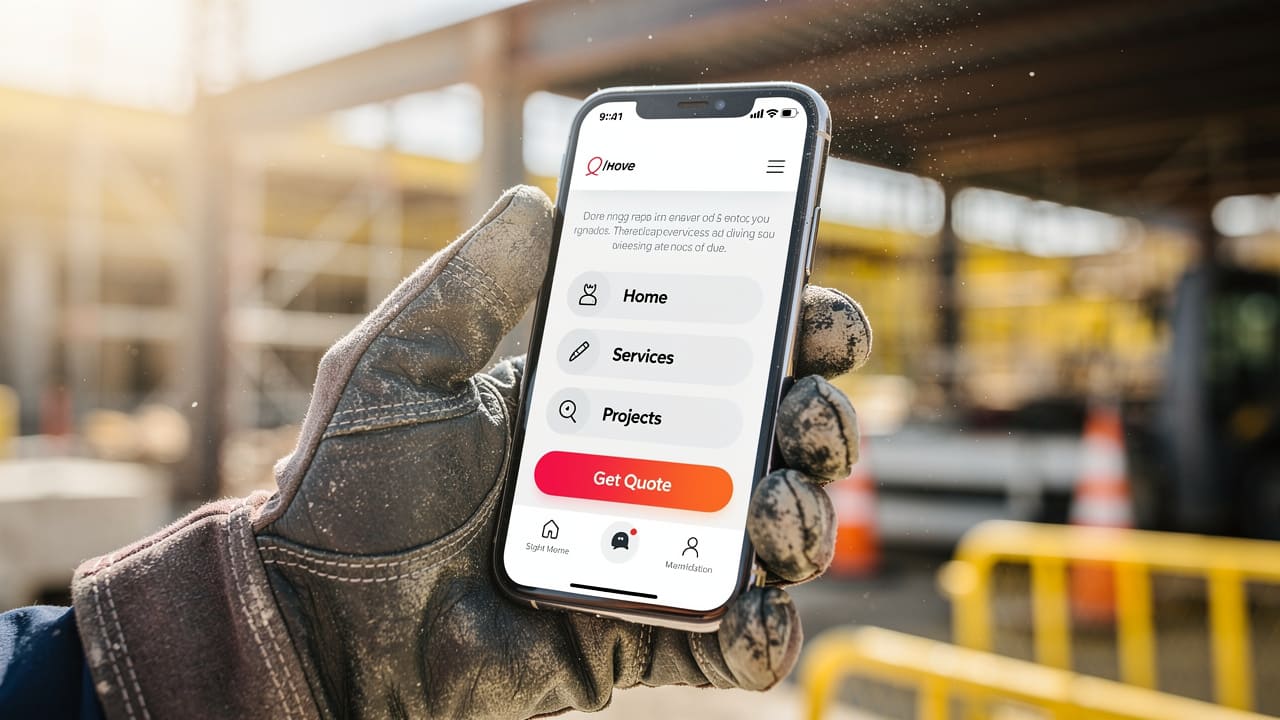
Mobile-first design means your web site design project builds for phones and tablets first, then scales up to desktops. More than half of web traffic now happens on mobile devices, and a foreman researching a supplier from a job site won’t wrestle with tiny text or buttons that won’t tap. A poor mobile experience sends that visitor straight to a competitor’s site instead, often within seconds.
Clear Value Proposition and Strategic CTAs
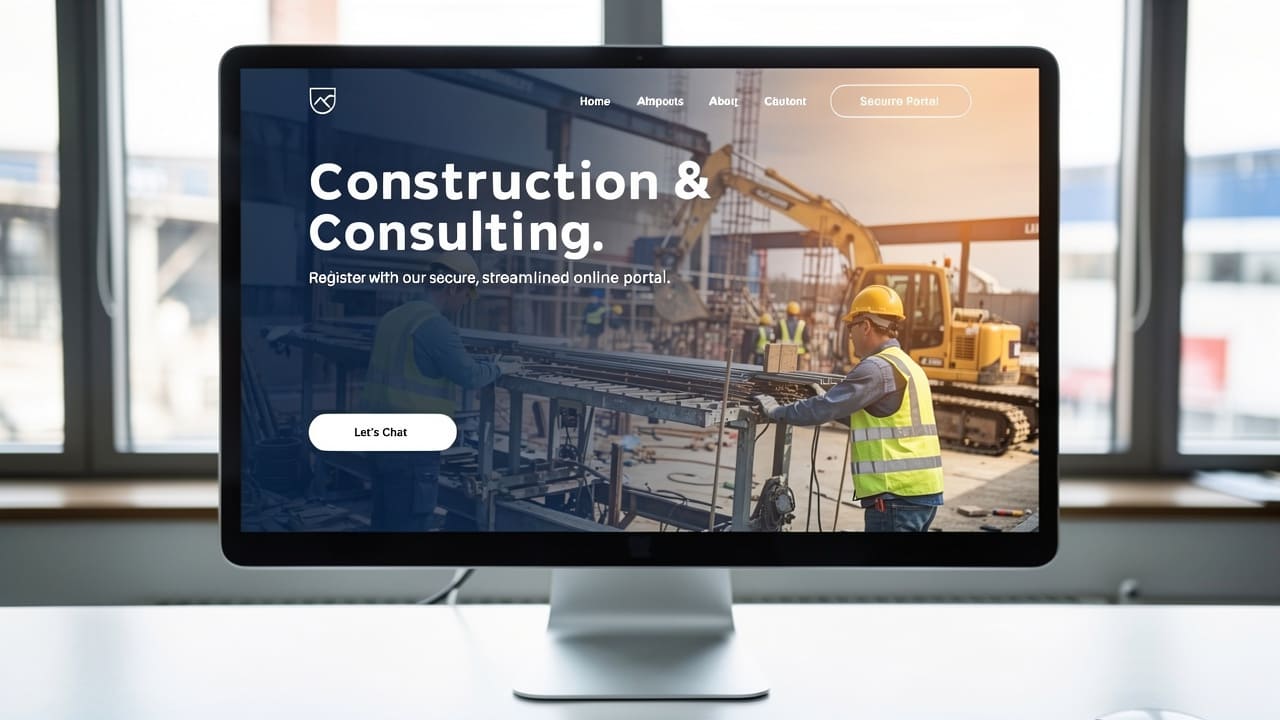
A strong value proposition tells a visitor within seconds what you do, who you serve, and why you’re the better choice over a competitor down the road. Your homepage headline and opening paragraph should state your core services and your point of difference immediately, without forcing visitors to scroll and guess. Vague taglines cost you leads because busy decision-makers won’t dig for meaning; they’ll simply move on to the next search result.
Calls-to-action need the same directness, appearing in the header, throughout service pages, and on any dedicated landing pages you build for specific offerings. Phrases like:
“Request a Quote”
“Book a Consultation”
“Get a Free Assessment”
work because they tell the visitor exactly what happens next. Placing these consistently, rather than burying one contact link at the bottom of the page, is one of the simplest ways to lift conversion rates without spending another dollar on traffic.
Trust Signals and Professional Branding
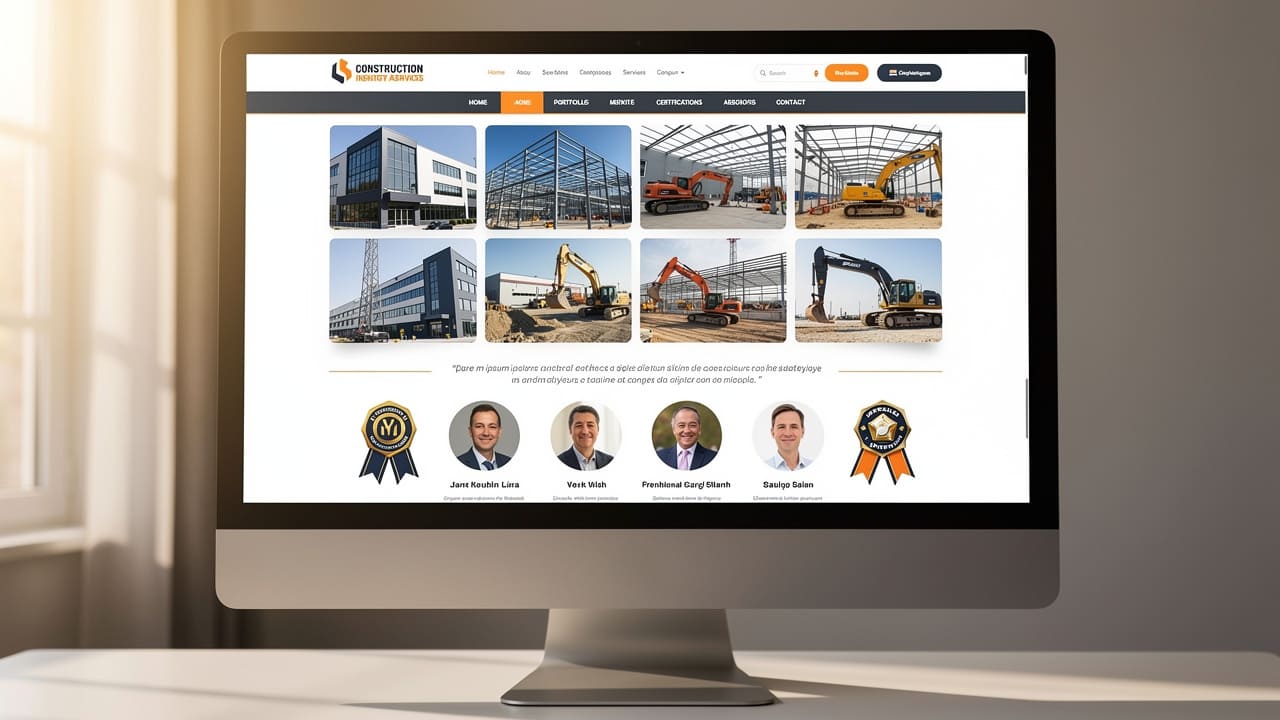
Trust signals are the proof points, testimonials, certifications, safety records, and project galleries, that turn a skeptical visitor into a booked lead. Consistent visual branding across every page, from your logo to your colour palette, reinforces that you’re an established, professional operation rather than a fly-by-night contractor. This matters even more for oil and gas and industrial buyers, who are often vetting several vendors at once and looking for reasons to eliminate options quickly.
How Does Local SEO Fit Into Your Website Design?
Local SEO fits into web design by making sure your site’s structure, content, and listings all point search engines toward the same Edmonton location and service area. This means clearly stating your city and service region throughout your site, building dedicated pages for each area you serve across Alberta, and keeping your business name, address, and phone number identical everywhere online. For trades and service companies, this consistency signals relevance to search engines and to nearby customers actively searching for help.
Your Google Business Profile should mirror what’s on your website exactly, down to your hours, categories, and contact details. A professionally built site that supports and reinforces your Google Business listing strengthens local search performance far more than either piece working in isolation. Skipping this step is one of the most common reasons a well-designed site still fails to show up when it matters.
Should You Choose a Template or a Custom-Designed Website?
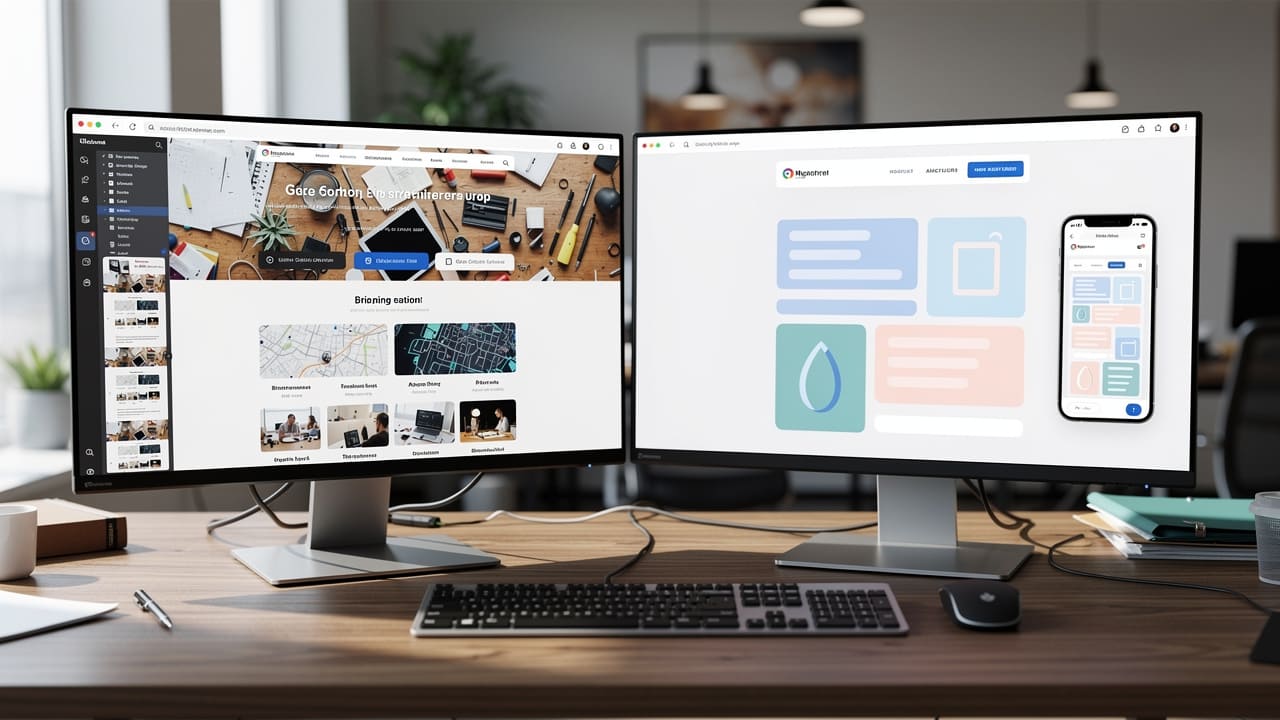
Template builders can get a basic site online cheaply, but they rarely deliver the strategic advantage an established company actually needs. Templates limit your ability to structure content around specific services, industries, or lead-generation goals, which means you’re often stuck adapting your business to fit the software instead of the other way around. For a company already investing thousands monthly in advertising, a templated site can quietly cap how much of that spend ever turns into a real lead.
Custom-designed websites cost more upfront but align every page, headline, and form with your actual growth objectives and sales process. Cutting Edge Digital Marketing builds custom Edmonton web site design projects specifically because generic packages rarely reflect the realities of construction, industrial, or oil and gas sales cycles. For businesses generating consistent revenue and planning to scale, that upfront investment typically pays for itself through stronger lead quality and better conversion rates.
How Do You Choose the Right Web Design Partner in Edmonton?

Choosing the right web design partner starts with reviewing their portfolio for real results in industries similar to yours, not just attractive screenshots. Ask how they track performance, whether they’ve worked with trades, construction, or industrial clients before, and what ongoing support looks like after launch. A partner who disappears once your site goes live leaves you without anyone to fix problems or adapt the site as your business grows.
For companies generating $1 million to $20 million in revenue with 5 to 50 staff, a strategic partner matters more than a low-cost freelancer ever will.
A website built without industry context is just a digital brochure. The goal is a system built around how a business actually sells.
The agency pairs customized website systems with industry-specific experience in construction, mechanical, electrical, and oil and gas services, so the site is built around how those businesses actually sell.
| Factor | Template or Freelancer | Strategic Partner |
|---|---|---|
| Upfront cost | Lower initial price | Higher initial investment |
| Customization | Limited, generic layouts | Built around your services and sales process |
| Local SEO integration | Often an afterthought | Planned into the site structure from day one |
| Ongoing support | Minimal or none | Continuous optimization and reporting |
To Sum Up
Edmonton web site design works best as a system, where mobile-first layouts, clear messaging, local SEO, and trust signals all reinforce each other rather than operating as separate projects. A site missing even one of these pieces leaks leads that your advertising budget already paid to attract, which is a costly and avoidable problem for growth-focused businesses.
If your current site isn’t converting the traffic you’re already generating, it’s worth a real conversation about what a strategic rebuild could do for your pipeline. Cutting Edge Digital Marketing works with Alberta service, trades, and industrial businesses to build websites designed around lead generation and measurable ROI, not just appearances.
Frequently Asked Questions
How Much Does Professional Web Design Cost in Edmonton?
Cost depends on complexity, whether you choose a template or a fully custom build, and whether ongoing support is included. Businesses already investing $2,000 to $10,000 monthly in marketing typically see the strongest returns from a custom site built to match that spend.
How Long Does It Take to Design and Launch a New Website?
Most professional website projects take anywhere from a few weeks to a few months, depending on scope. Content preparation, revision rounds, and integrations with tools like booking forms or CRMs are the factors most likely to extend a timeline.
Do I Need a New Website if My Current One Still Works?
If your site loads slowly, looks outdated, performs poorly on mobile, or simply isn’t generating leads, a redesign is likely overdue. Businesses entering a new growth phase often outgrow a site built for an earlier, smaller version of their company.
Can a Website Redesign Hurt My Current SEO Rankings?
A poorly planned redesign can hurt rankings through broken links, lost pages, or missing content that search engines previously indexed. Proper planning, including 301 redirects and careful content migration, protects your existing search visibility during the transition.
What’s the Difference Between a Website Designer and a Digital Marketing Agency?
A designer typically focuses only on building the site itself, while an digital marketing agency integrates the website with SEO, advertising, and broader strategy. For established businesses, an integrated system tends to generate stronger and more measurable results than a standalone design project.
How Do I Measure if My Website Is Actually Generating ROI?
Track leads generated, cost per lead, and the conversion rate from visitor to actual client. Setting up proper analytics and tracking from day one is essential, since you can’t improve what you never measured in the first place.