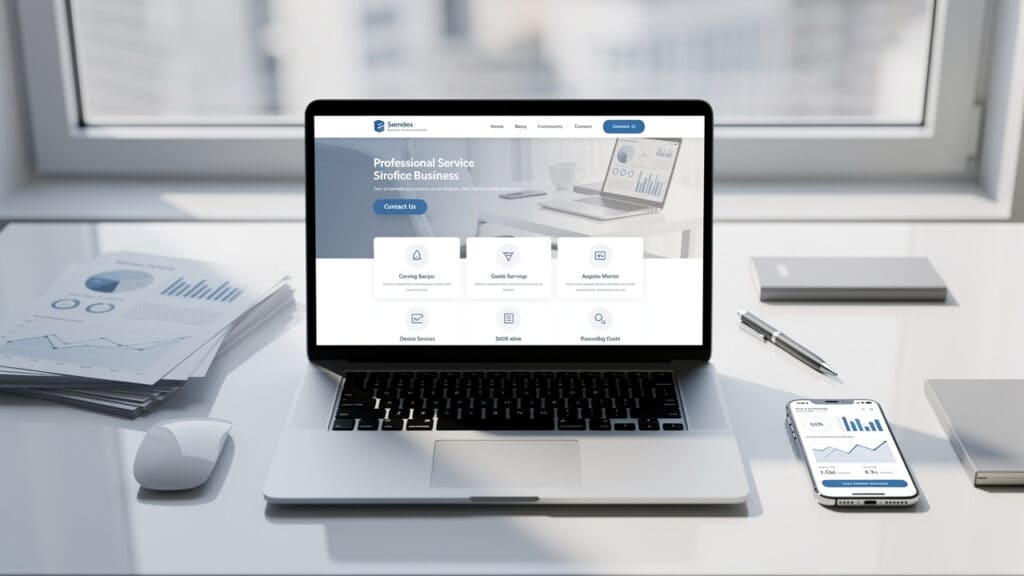
Paid clicks that never turn into phone calls or quote requests are one of the most frustrating problems for growing service businesses. You pay for the click, the visitor lands somewhere on your site, and then they vanish without filling out a form or picking up the phone. That gap between traffic and revenue almost always points back to one thing, and that’s weak landing page design.
Landing page design services solve this problem by building dedicated pages engineered to turn visitors into qualified leads, not just page views. For construction companies, trades businesses, and industrial operators across Calgary, Edmonton, and the rest of Alberta, this matters because every dollar sent to Google Ads or Meta Ads needs somewhere strong to land. This article covers the core elements of a high-converting page, how design needs shift across industries like HVAC, plumbing, electrical, and masonry, how to measure whether a page is actually working, and how to choose a partner who builds pages tied to real business results rather than just a nice-looking template.
By the end, you’ll know exactly what separates a landing page that just sits there from one that drives consistent, qualified leads for your business. If you’re ready to see what a strategic landing page can do for your lead flow, contact us for a conversation about your goals.
Key Takeaways
Landing pages perform best when connected to a wider marketing system, not built as a one-off project.
Trust-building elements like testimonials and certifications, such as WSIB coverage or CSA compliance, are non-negotiable for service-based buyers.
Proper tracking, through tools like Google Analytics and Hotjar, must be built in from day one, not added as an afterthought.
Industry-specific design consistently outperforms generic, templated approaches built on platforms like Unbounce or Leadpages without a strategy behind them.
The right marketing partner matters far more than the cheapest quote.
What Is Landing Page Design and Why Does It Matter for Lead Generation?
Landing page design is the practice of building a single, focused web page created to guide a visitor toward one specific action, such as requesting a quote or booking a consultation. Unlike a standard website page with menus, multiple links, and general information, a landing page removes distractions so visitors can’t wander off before converting.
This matters most when you’re digital advertising. If someone clicks a Google ad searching for “emergency electrician in Calgary” and lands on your homepage instead of a page built for that exact service, they’re far more likely to leave without contacting you. A dedicated landing page keeps the message, the offer, and the next step aligned with what that visitor was searching for in the first place. Platforms like Unbounce, Leadpages, and Instapage are built specifically for this kind of focused page, though most established Alberta businesses get stronger results from a custom-built page tied directly into their CRM, whether that’s HubSpot, Salesforce, or a similar platform.
What Are the Key Elements of a High-Converting Landing Page?
A high-converting landing page is built from a handful of proven components that work together to move a visitor from curious to committed. Each element exists to answer a specific question or hesitation running through a potential customer’s mind, whether that’s “can I trust this company” or “what happens after I fill this out.” Getting even one of these pieces wrong, like a weak headline or a confusing form, can quietly drain the value out of every dollar spent driving traffic to the page. The sections below break down the five components that matter most for service, trades, and industrial businesses, along with what makes each one effective in practice.
Headlines, Value Propositions, and Benefit-Focused Copy
Your headline has one job, and that’s telling visitors exactly what problem you solve within the first few seconds. Instead of describing your company, effective copy describes what the customer gets, like faster project turnaround, transparent pricing, or fewer equipment breakdowns. A construction company might lead with reliable timelines rather than years in business, while an industrial supplier might highlight reduced downtime instead of listing product features.
Trust-Building Elements and Social Proof
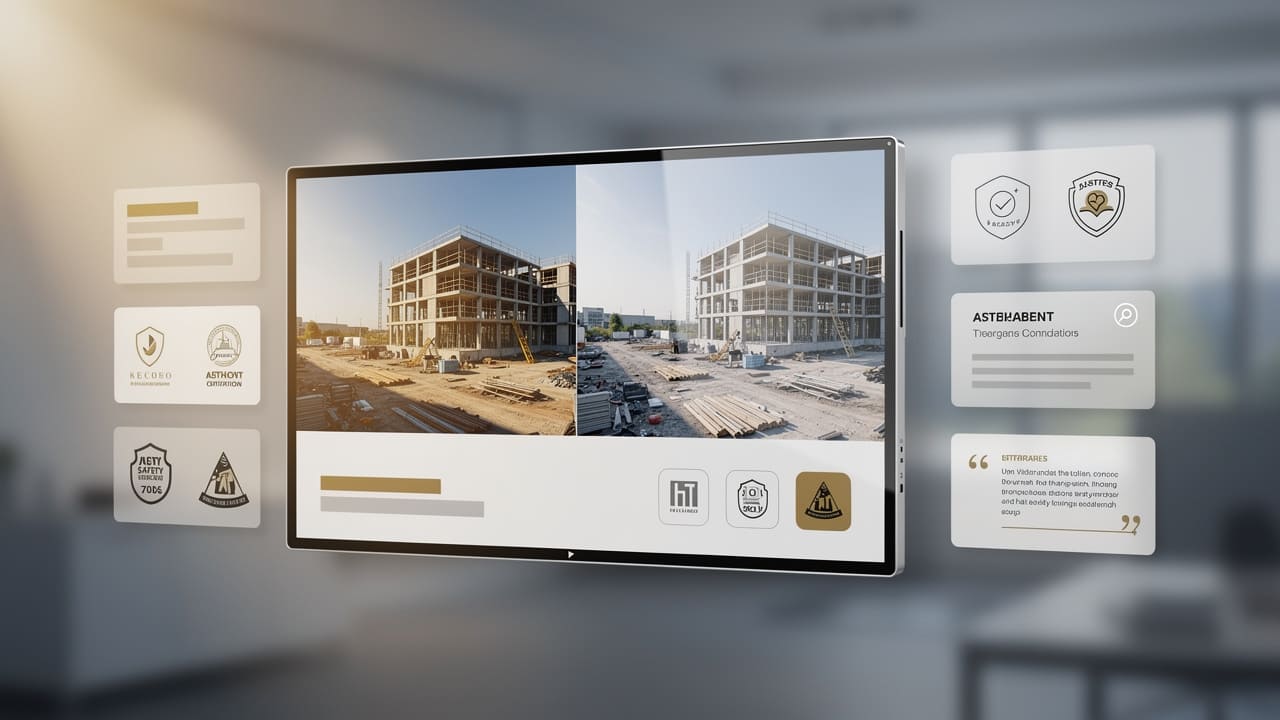
Service businesses sell a promise the customer can’t inspect before they buy, so trust signals carry serious weight. Testimonials, certifications such as ISO, WSIB, and CSA, safety records, and real project photos all reduce the risk a visitor feels before reaching out. Local, industry-specific proof, like a case study from a similar Alberta job site, consistently outperforms generic five-star reviews because it shows you understand their exact situation.
“The businesses that win with landing pages are the ones that treat trust signals as part of the offer, not decoration around it. A visitor deciding between three contractors will pick the one whose page proves they’ve done this exact job before,” says Jason Reid, founder of Cutting Edge Digital Marketing.
One recent example involved a Red Deer-based mechanical contractor whose page paired a WSIB-certified badge with a short case study photo gallery from a completed industrial job, which noticeably lifted form completions compared to the company’s previous generic template.
Clear Calls-to-Action and Optimized Forms
A vague button like “Submit” gives visitors no reason to click, while something specific like “Get Your Free Quote” tells them exactly what happens next. Form length matters just as much as wording, since every extra field you ask for increases the chance someone abandons the page. The best approach asks only for what you need to cost per lead calculator, typically covering these basics:
Name
Phone number
Email address
A short project description
Mobile Optimization and Page Speed
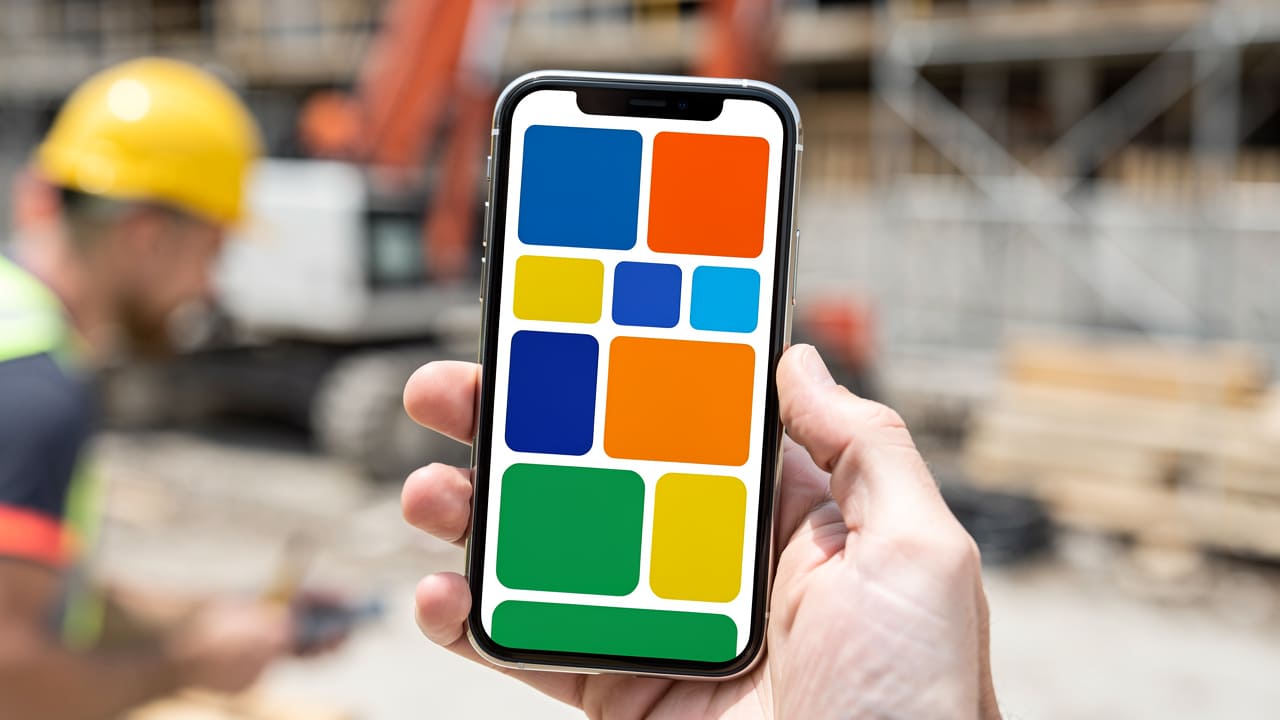
Many trades and industrial buyers are searching for help from a job site or truck, not sitting at a desktop. If a page loads slowly or the form is hard to tap on a phone screen, that visitor leaves before they ever see your offer. Fast load times and mobile-friendly layouts aren’t a bonus feature at this point, they’re a baseline requirement for capturing that kind of on-the-go, high-intent traffic. Tools like Figma help designers prototype these mobile layouts before a single line of code gets written, which cuts down on costly revisions later.
How Should Landing Pages Be Designed Differently for Trades, Construction, and Industrial Businesses?
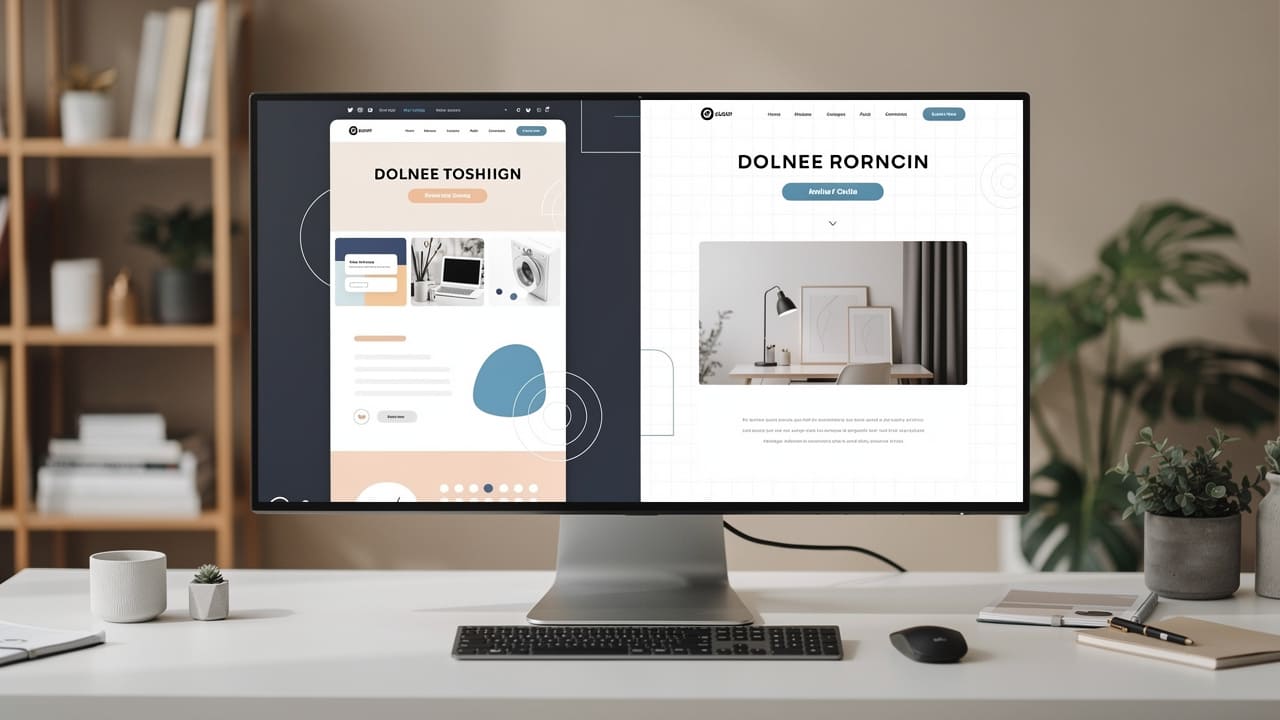
Landing pages built for trades, construction, and industrial companies need to speak directly to how each of those buyers actually makes decisions, not a one-size-fits-all script. A homeowner calling a plumber cares about very different things than a procurement manager evaluating an equipment supplier, so the page has to reflect that gap.
Construction companies and trades businesses, including HVAC, plumbing, electrical, and masonry contractors, generally convert best when the page emphasizes response times, pricing transparency, and before-and-after project galleries that prove the work gets done right. Industrial, oil and gas, and equipment companies operate in a different world, often involving multiple decision-makers and a longer B2B sales cycle, so their pages need technical specifications, safety certifications like CSA and ISO, and industrial website design principles in downtime. A generic template built for neither audience tends to fall flat with both, which is exactly why templated web design so often underperforms for these industrial website development.
How Do You Measure Landing Page Performance and ROI?
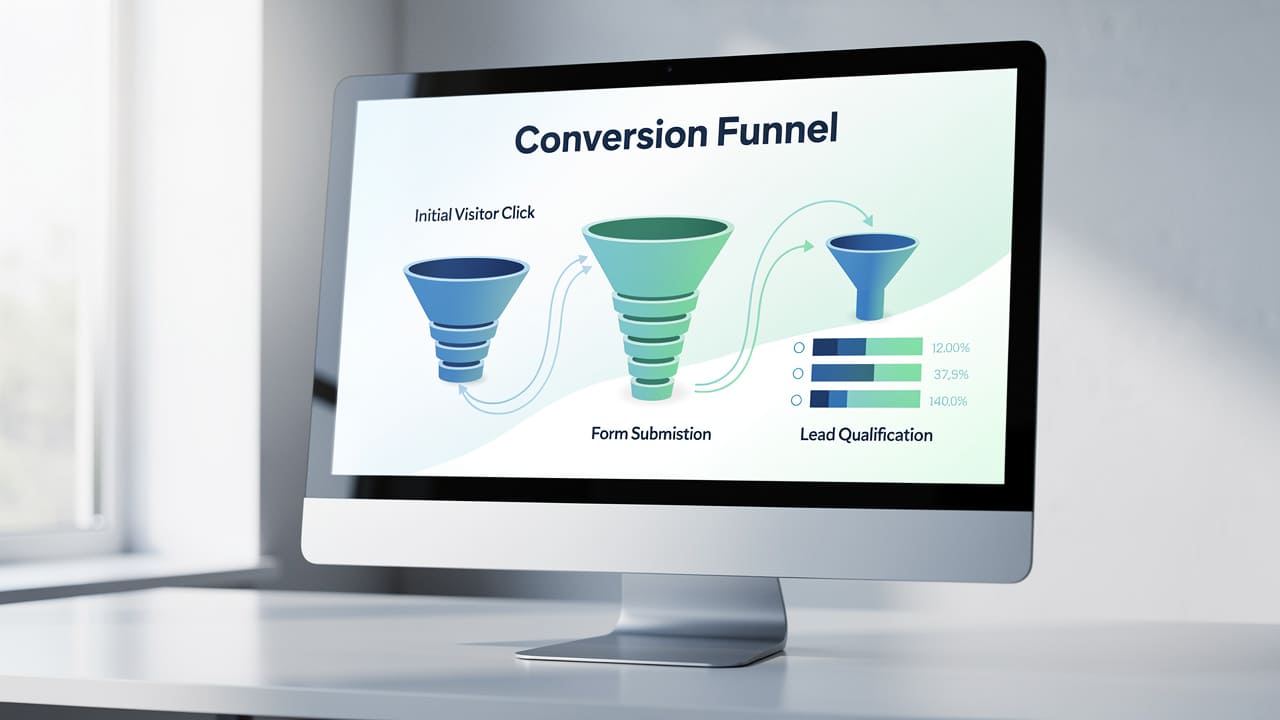
Measuring landing page performance means tracking whether visitors are actually converting into qualified leads, not just whether they showed up. Tools like Google Analytics and Hotjar work together well here, one to track the numbers and the other to show heatmaps of exactly where visitors hesitate or drop off. Consider these core metrics:
Conversion rate: the percentage of visitors who complete your desired action, typically running between 2% and 10% for service businesses depending on traffic quality and offer strength.
Cost per lead: just as important as conversion rate optimization strategies, since a page that costs less to run but produces weaker leads isn’t actually saving you money.
Form completion rate: shows where visitors are dropping off before they finish submitting.
Traffic source analysis: reveals which channels are worth the spend and which ones need rethinking.
If your Google Ads specialist converts at twice the rate of your Facebook traffic, that’s valuable information for where your next marketing dollar should go. None of this works, though, if tracking wasn’t built into the page from the start, since retrofitting analytics after launch usually means losing weeks of data you can never get back.
Why Choose Cutting Edge Digital Marketing for Your Landing Page Design?

Cutting Edge Digital Marketing designs landing pages as one connected piece of a larger lead generation system rather than a standalone project. That means every page it builds works alongside paid advertising, SEO, and branding, so traffic from Google Ads or LinkedIn Ads lands somewhere designed specifically to convert that exact audience, not a generic company page repurposed for every campaign.
What sets this approach apart is a deep, working knowledge of Alberta-based trades, construction, and industrial businesses in cities like Calgary, Edmonton, and Red Deer, paired with tracking built into every page from day one using Google Analytics and CRM platforms like HubSpot. That combination means clients aren’t just getting a well-designed page, they’re getting a page whose performance can be measured against real leads and real revenue. For companies spending $2,000 to $10,000 a month on marketing, that kind of accountability is exactly what separates a strategic partner from a vendor who disappears after the invoice is paid. Explore our approach further by reaching out to discuss where your current pages are falling short.
The Bottom Line
A landing page built around your specific industry and customer will consistently outperform a generic template, no matter how polished that template looks on the surface. The businesses that get the strongest results treat their pages as one part of a bigger system, connected to advertising, SEO, and proper tracking, rather than a one-time project checked off a to-do list.
If your current marketing is generating clicks without generating real leads, that’s usually a signal your landing pages need attention before your ad budget does. Cutting Edge Digital Marketing works with established service, trades, and industrial businesses across Alberta to build pages tied directly to measurable growth, so get started with a conversation about turning your traffic into revenue.
Frequently Asked Questions
How Much Does Professional Landing Page Design Cost in Canada?
Professional landing page design typically fits within a broader monthly marketing investment, often somewhere between $2,000 and $10,000, depending on complexity. Pricing varies based on the number of pages needed, tracking and CRM integration requirements (such as HubSpot or Salesforce), and whether copywriting and photography are included.
How Long Does It Take to Design and Launch a Landing Page?
Most landing pages take a few weeks from start to finish, factoring in strategy, copywriting, design, and testing before launch. Projects that require CRM integration or custom tracking setups can add extra time to make sure everything works correctly before the page goes live.
How Many Landing Pages Does My Business Actually Need?
The right number depends on how many distinct service lines, sales funnel stages, or campaigns you’re running at once. A business offering both residential and commercial services, for example, usually converts better with separate pages built for each audience rather than one page trying to speak to everyone.
Can I Use a Landing Page Builder Instead of Hiring a Design Service?
DIY builders like Unbounce or Leadpages can work for very simple projects, but they often lack the strategy, industry positioning, and tracking setup that drive real conversions. A professional service typically produces stronger results because it combines design with copywriting, analytics, and ongoing optimization built specifically for your audience. Learn more about which approach fits your business by talking through your goals with a strategist.
What’s a Good Conversion Rate for a Service Business Landing Page?
Most service business landing pages convert somewhere between 2% and 10%, though the exact number depends heavily on traffic quality, offer strength, and industry. A page pulling in highly targeted, high-intent traffic will naturally convert better than one drawing broad, unfiltered visitors.
Do Landing Pages Need to Be Updated After Launch?
Yes, landing pages perform best when treated as ongoing projects rather than a one-time build. Regular A/B testing, seasonal updates, and performance-based refinements keep conversion rates improving over time, which is why continuous optimization matters just as much as the initial design.