

A plumbing company website that loads slowly, hides the phone number, or looks like it was built a decade ago sends customers straight to a competitor with one click. That’s the real cost of weak web design for plumbing companies today. Homeowners with a burst pipe or a failed water heater search on their phone, compare the first few results, and call whoever looks most trustworthy in about 10 seconds.
For Alberta plumbing businesses, that means the website has become the front door of the company, not a digital brochure sitting quietly in the background. This article covers the features, design choices, local SEO tactics, and conversion tools that turn a plumbing website into a steady source of booked jobs across Edmonton, Calgary, and the surrounding region. Cutting Edge Digital Marketing works with trades and service businesses across Western Canada, so the guidance below reflects what actually moves the needle for plumbers competing against bigger, better-funded companies. Read on for the specific steps that help a local plumbing business punch above its weight online, and contact us once you’re ready to put a plan in place.
Key Takeaways
A plumbing website’s main job is generating calls and booked jobs, not just looking polished.
Mobile-first design and fast load speed are non-negotiable for emergency searches.
Local SEO tailored to Edmonton and Alberta markets drives the most qualified traffic.
Trust signals like reviews, licensing, and real project photos directly influence conversion rates.
Ongoing tracking and optimization turn a website into a long-term revenue asset rather than a one-time expense.
Table of Contents
- What Makes Web Design Different For Plumbing Companies?
- Essential Features Every Plumbing Website Needs
- Which Design Elements Actually Drive More Leads?
- How Local SEO Helps Alberta Plumbers Get Found
- Turning Website Visitors Into Booked Jobs
- Why Partner With A Digital Marketing Agency For Your Plumbing Website?
- The Takeaway
- Frequently Asked Questions
What Makes Web Design Different For Plumbing Companies?
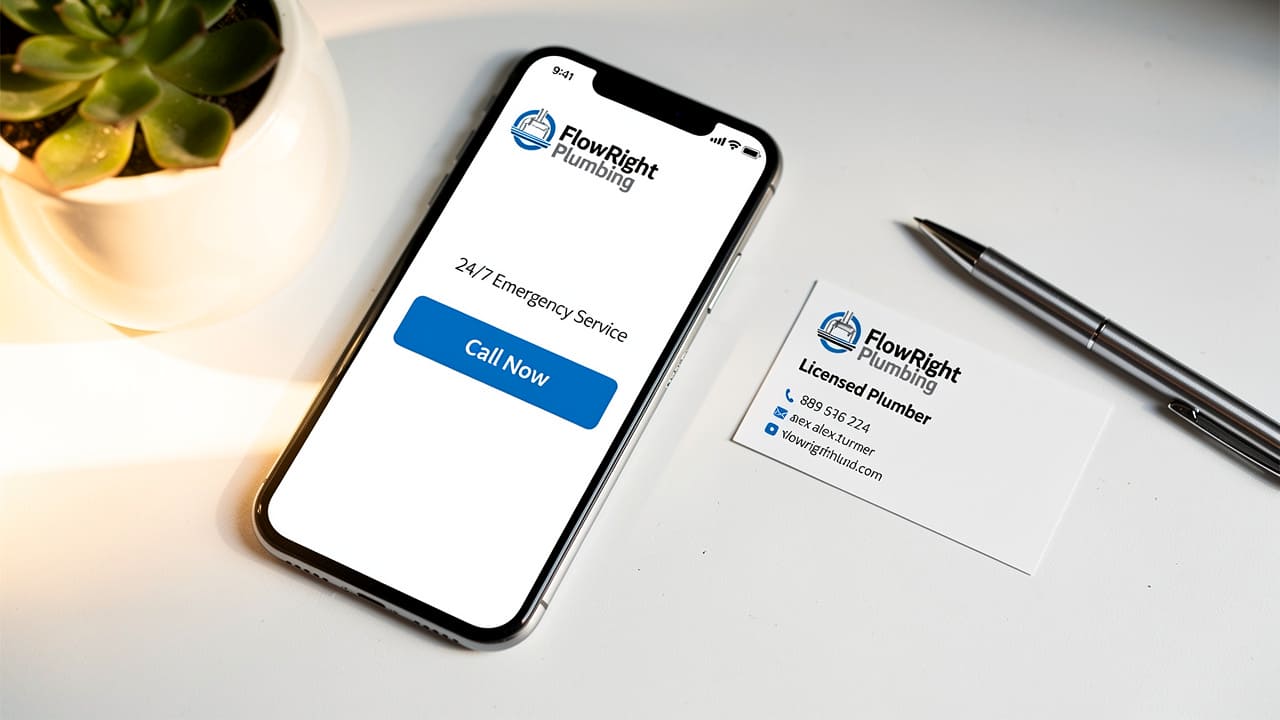
Plumbing websites work best when they behave like a dispatch system rather than an online store, connecting people who need urgent help to a technician who can show up fast. This matters most when competing with bigger companies, since a smaller Alberta plumber can win the call simply by making the next step obvious and fast. Instead of guiding shoppers through a checkout process, a plumbing site has one job: get the phone ringing or the form filled out within seconds of someone landing on the page. That’s a different design problem than most business websites solve, and it changes everything from menu structure to button placement. Alberta’s climate adds another layer, since frozen pipes in January and overworked water heaters in the fall create predictable demand spikes that a website should be ready to speak to directly. A generic template built for a landscaping company or a retail store simply won’t handle these pressures, which is why website planning pays off pays off.
Why Edmonton And Alberta Businesses Face Unique Challenges

Edmonton and Calgary plumbers compete in dense, saturated markets where a plain, unremarkable website blends into a long list of similar-looking competitors. Winter freeze-ups and seasonal spikes in demand mean messaging needs to flex throughout the year, highlighting emergency availability when pipes are bursting and routine maintenance when things are calmer. Companies serving several Alberta cities also need to be upfront about local response times, so customers in Sherwood Park or Airdrie don’t wonder if they’re an afterthought to a business based elsewhere.
Essential Features Every Plumbing Website Needs
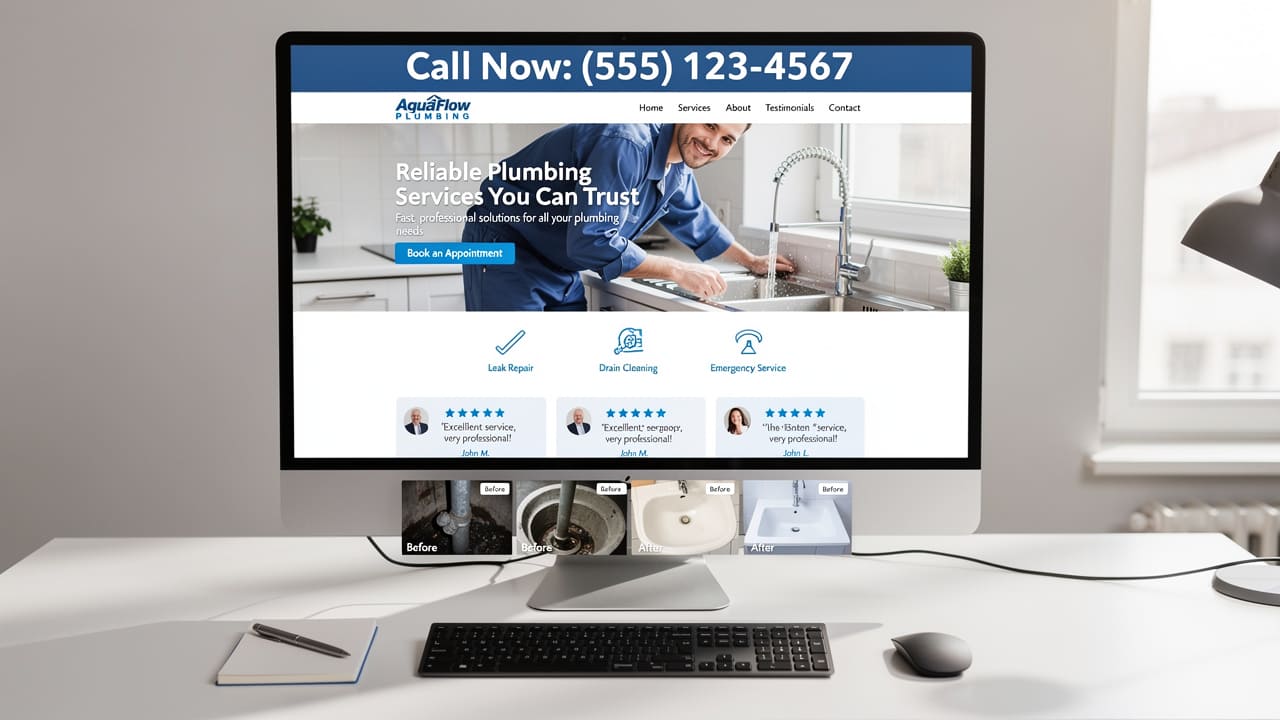
Every plumbing website needs a specific set of functional building blocks that turn visitors into leads, regardless of how attractive the design looks, a point echoed in a complete 2026 guide to plumber website design covering emergency CTAs and service area pages. Here’s what matters most:
Clear, well-organized service pages customers searching for “drain cleaning” or “water heater installation” need to find that exact page within one or two clicks, not buried three menus deep.
A prominent, clickable phone number in the header that stays visible as visitors scroll.
A defined service area map so people outside the coverage zone don’t waste anyone’s time.
Emergency availability details, response windows, and any after-hours surcharges in a clearly labelled section near the top of the homepage.
Transparent pricing signals a service-call fee or a typical price range for common jobs builds trust and filters out price shoppers who were never going to convert anyway.
Licensing, insurance, and trade certifications displayed somewhere visible, since Alberta customers inviting a stranger into their home want proof the company is legitimate.
Reviews, before-and-after photos, and short video testimonials placed near the service descriptions they support rather than buried on a single testimonials page.
How Should Plumbers Display Emergency Services And Pricing?
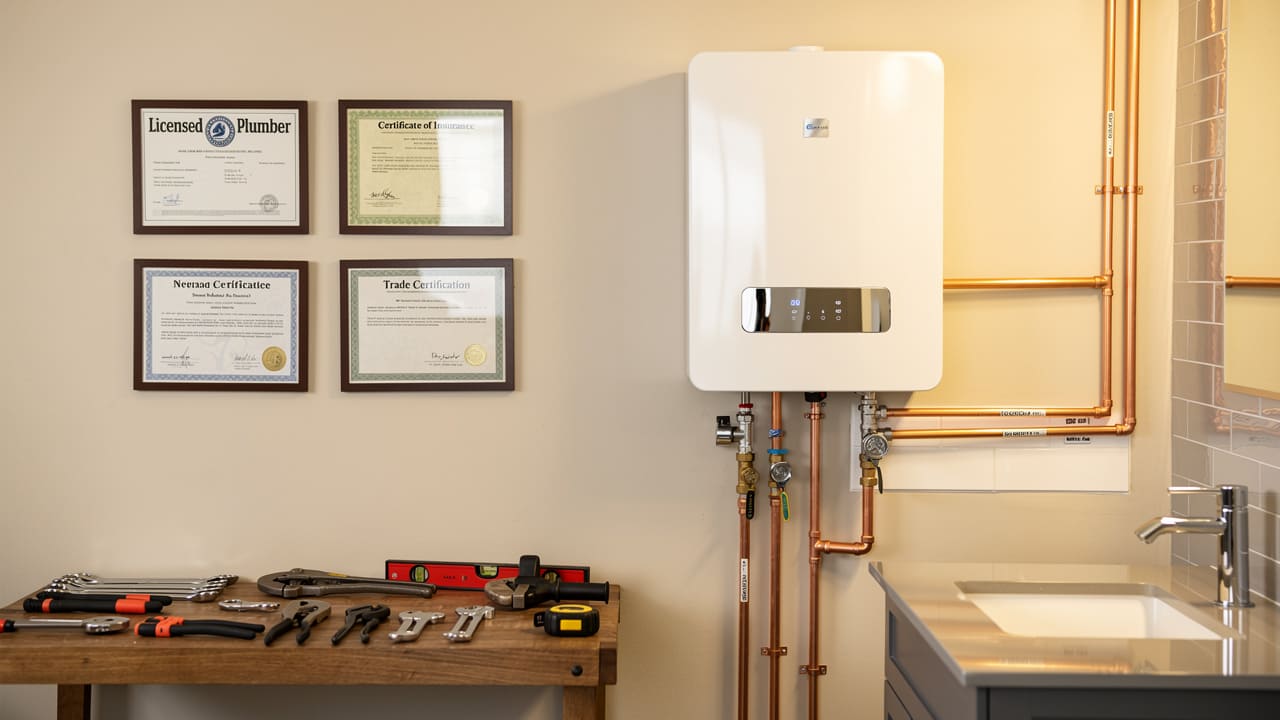
Emergency service information should sit near the top of the homepage, stating clearly whether the company operates 24/7, what response times typically look like, and whether after-hours calls carry a surcharge. Stressed customers dealing with a flooded basement don’t read carefully, so this section needs short sentences and plain language rather than long paragraphs buried in a menu.
Pricing works the same way. Listing a flat service-call fee or a price range for common jobs like drain cleaning builds confidence before the phone even rings, while vague phrases like “call for a custom quote” tend to push cautious customers toward a competitor who’s more upfront.
| What to Show | What to Avoid |
|---|---|
| Clear 24/7 availability and typical response window | Vague phrases like “fast response” with no specifics |
| Service-call fee or price range for common jobs | No pricing information anywhere on the site |
| Licensing and insurance details near the emergency section | Burying trust signals on a separate, hard-to-find page |
| A single, obvious “Call Now” button | Multiple competing buttons with unclear purposes |
Which Design Elements Actually Drive More Leads?
Visual design choices decide whether a visitor sticks around long enough to call, and the difference often comes down to clarity rather than flash. A clean layout using calm colours like blue, paired with one strong accent colour for buttons, reads as professional without trying too hard, and it mirrors what customers already associate with trust and cleanliness. Photos matter enormously here, since real pictures of the company’s trucks, technicians, and finished jobs carry far more weight than stock photography that every competitor is also using. Information hierarchy decides what customers see first, so the most important details (phone number, services, service area) need to sit above less urgent content like company history or team bios. page speed ties all of this together, because a beautifully designed site that takes eight seconds to load will still lose the customer before they see any of it. Research on sustainable web design and digital marketing shows that load speed and mobile usability directly affect both conversions and search visibility, so slow websites lose twice, first on conversions and again on visibility.
Is Mobile-First Design Really Necessary For Plumbers?
Yes, since most plumbing searches happen on a phone, often while someone is standing next to a leaking pipe wondering what to do next. Mobile design needs a clickable phone number that starts a call with one tap, large buttons that are easy to hit with a thumb, and forms short enough to fill out in under a minute. Google also ranks mobile-friendly sites higher in search results, so mobile design affects both conversions and visibility at the same time.
How Local SEO Helps Alberta Plumbers Get Found
Local SEO makes sure a plumbing company actually shows up when someone in Edmonton or Calgary searches for help, rather than relying on a well-designed site that nobody ever finds. It starts with a fully completed Google Business Profile, including accurate hours, service areas, photos, and a phone number that matches the website exactly, since inconsistent business information across the web quietly erodes search rankings. Dedicated pages for each city or region served give search engines a reason to rank the business for “plumber in Sherwood Park” as well as “plumber in Edmonton,” rather than hoping one generic page covers every market. Keyword strategy needs to balance broad terms like “Edmonton plumber” against longer, more specific phrases that signal someone is ready to book, such as “emergency plumber open now” or “frozen pipe repair Edmonton.” Local directory listings and mentions from other Alberta businesses build authority over time, which compounds the longer a company stays consistent with its online information. None of this replaces good design, but a well-built website with no SEO strategy behind it is a storefront on a street nobody drives down.
What Keywords Should Plumbing Companies Target?
Effective keyword strategy balances broad service terms like “plumbing services Edmonton” with specific, high-intent phrases such as “water heater repair Calgary” or “burst pipe emergency Edmonton,” which tend to convert at a much higher rate despite lower search volume, a pattern confirmed by a market analysis of plumbing demand drivers in a comparable North American metro market. Seasonal terms matter in Alberta especially, since searches for “frozen pipe repair” and “winter plumbing readiness” spike predictably every year. Blog content answering common questions, like why a water heater makes noise, captures customers still researching the problem before they’re ready to call.
Turning Website Visitors Into Booked Jobs
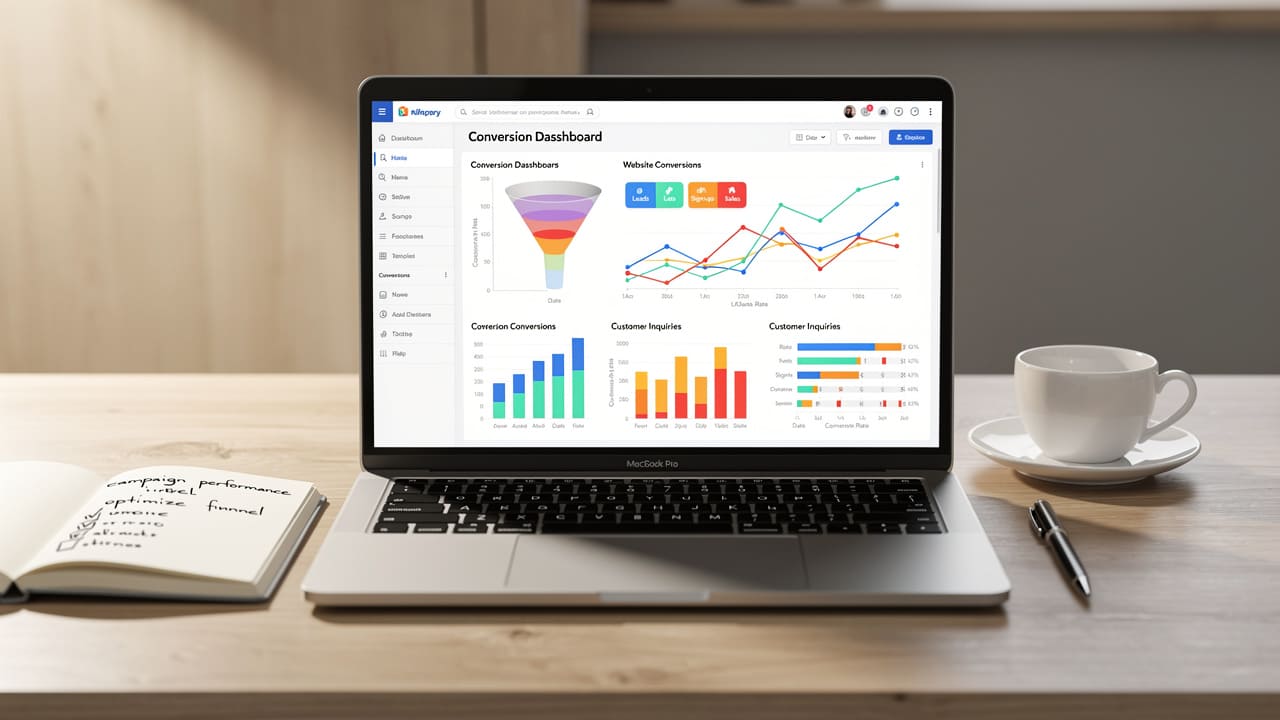
A website only earns its keep when visitors turn into booked jobs, which means conversion design deserves as much attention as SEO and visual polish. Multiple contact options matter here, since some customers want to call immediately while others prefer a quick form or an online booking slot they can fill out after hours. Response speed decides whether that interest turns into revenue, and companies that reply within an hour convert far more leads than those who let inquiries sit overnight. Simple forms that ask only for a name, phone number, and brief description of the problem outperform long, detailed forms that feel like paperwork to someone dealing with a plumbing emergency.
“A website generating even a few qualified leads monthly typically pays for itself through the resulting customer relationships.”
Tracking ties this all together, since analytics tools reveal exactly which pages, keywords, and contact methods produce actual booked jobs rather than just traffic numbers. Without that data, a business owner is guessing at what’s working, which makes it hard to know where to invest the next marketing dollar. With proper tracking in place, every design and content decision can be judged against real results instead of instinct alone.
Why Partner With A Digital Marketing Agency For Your Plumbing Website?
Building and maintaining an effective plumbing website takes more time and specialized skill than most owners or general managers have available while running daily operations. Generic, templated website builders can get a basic page online quickly, but a recent technical readiness audit of local service business websites found many plumbing sites still miss the seasonal demand patterns, multi-city service areas, or specific trust signals customers look for before calling a stranger into their home. That gap is exactly where a dedicated marketing partner earns its keep, building a site around the company’s actual services, growth goals, and competitive position rather than a one-size-fits-all package.
Cutting Edge Digital Marketing works specifically with established trades and service businesses across Alberta, typically companies generating $1 million to $20 million a year with 5 to 50 employees. That fits a large share of mid-sized plumbing companies looking to compete seriously rather than just maintain a basic web presence. The approach combines website design, SEO, paid advertising, and branding into one connected system, with proper tracking built in from the start so owners can see exactly how their investment turns into calls and booked jobs.
For companies spending $2,000 to $10,000 a month on marketing, or planning to get there, that kind of integration matters more than chasing the lowest-priced website provider. A cheap site that doesn’t convert costs more in lost jobs than a properly built one ever would in fees. Long-term partnership, measurable tracking, and genuine trades industry experience are what separate a strategic marketing investment from a one-time website purchase. Learn more about how a connected strategy could work for your plumbing business.
The Takeaway
A plumbing company’s website has become core business infrastructure across Alberta, not a one-time project to check off a list. The companies winning the most jobs right now combine mobile-first design, targeted local SEO, visible trust signals, and clear conversion tracking into one system that works together rather than as separate, disconnected pieces.
Getting all of these pieces right without outside help is a real challenge for a business owner already managing crews, schedules, and customers every day. Cutting Edge Digital Marketing helps Alberta plumbing companies build that system properly, combining custom web design with SEO and advertising strategy built around measurable growth. If a current website isn’t generating the calls it should, a conversation with a strategic marketing partner is a reasonable next step.
Frequently Asked Questions
How Much Should A Plumbing Company Budget For A New Website?
Most established plumbing businesses investing seriously in marketing spend somewhere between $2,000 and $10,000 a month across their full marketing program, with website design representing a meaningful share of that. The exact cost depends on scope, including the number of service pages, custom photography, and whether online booking is included.
How Long Does It Take To See Leads From A New Plumbing Website?
Design and technical improvements often boost conversion rates almost immediately after launch, since visitors find what they need faster. Organic SEO leads typically build over 3 to 6 months as the site gains authority, while paid advertising can generate leads within days for companies needing faster results.
Should Plumbing Companies Use WordPress Or A Custom-Built Website?
DIY builders work for very small operations, but established plumbing companies with growth plans usually benefit more from WordPress or custom. Custom development offers better performance, more control over design, and stronger integration with booking and tracking tools as the business scales.
Do I Need Separate Pages For Each Alberta City I Service?
Yes, dedicated pages for each city or region served help search engines rank the business for local searches rather than relying on one generic page. Each page needs genuinely unique, locally relevant content rather than a duplicated template with the city name swapped out.
What’s The Difference Between SEO And Paid Ads For Plumbing Lead Generation?
SEO builds long-term organic traffic that keeps generating leads without ongoing cost per click, but it takes months to build momentum. Paid ads on Google deliver immediate visibility and leads, making an integrated approach using both channels the most reliable path to consistent lead flow.
How Do I Know If My Current Plumbing Website Is Underperforming?
Warning signs include low mobile traffic, slow page load times, very few contact form submissions, and a design or content library that hasn’t been updated in years. If competitors are ranking higher for local searches or customers mention they couldn’t find basic information, it’s time for a serious review.