
A web marketing company should combine SEO, paid advertising, web design, and branding into one accountable system built around measurable revenue, not vanity metrics. Before signing any contract, confirm the company understands your industry, tracks results transparently, and treats your growth as a shared responsibility. Contact us to see how a strategic partner approach compares to your current setup.
This guide walks through what a web marketing company actually does, the core services worth expecting, and how firms like Cutting Edge Digital Marketing approach service, trades, and industrial clients across Alberta and Western Canada. You’ll also find the questions worth asking before signing a contract, along with the metrics that prove whether your investment is paying off. Whether you’re spending $2,000 a month or closer to $10,000, understanding these fundamentals helps you choose a partner who acts less like a supplier and more like an extension of your leadership team.
Key Takeaways
A web marketing company should combine SEO, paid ads, web design, and branding into one growth system, not separate, disconnected tasks.
Specialized industry knowledge beats generic, templated packages, especially for trades, construction, and industrial businesses.
ROI tracking and transparent monthly reporting are non-negotiable for real accountability.
The right partner functions as an extension of your leadership team, not just an outside vendor.
Choosing a partner means evaluating fit, methodology, and a proven track record before signing anything long-term.
Table of Contents
- What Does a Web Marketing Company Actually Do?
- Core Services a Web Marketing Company Should Offer
- Why Partner With Cutting Edge Digital Marketing?
- How Do You Choose the Right Web Marketing Partner?
- How Do You Measure ROI From Web Marketing?
- The Bottom Line
- Frequently Asked Questions
What Does a Web Marketing Company Actually Do?
A web marketing company is a firm that plans, builds, and manages your digital presence across search, paid advertising, and your website so leads arrive consistently instead of by chance. For a growing trades or industrial business, this means one partner handles SEO, Google Ads or Meta Ads campaigns, web design, and branding under a single strategy. You’re not juggling separate freelancers for each piece. The distinction that matters most is between a task-executor and a true strategic partner. A vendor publishes blog posts, launches ads, and sends invoices. A genuine partner asks about your sales cycle, your margins, and your growth targets before recommending a single tactic, then ties every activity back to qualified leads and revenue.
Why Established Businesses Need More Than a Vendor
Owners and general managers running established service or industrial companies rarely have spare hours to manage campaigns, write content, or interpret analytics dashboards. Marketing tends to get pushed to whoever has the least amount of time, which usually means it gets done inconsistently or not at all. That inconsistency shows up directly in lead flow, especially during slower seasons when steady visibility matters most.
A true partner fills that gap by acting as an outsourced marketing leader. Instead of waiting for direction, they bring recommendations, flag problems early, and adjust strategy as your business or market shifts. This level of ownership is what separates a strategic relationship from a transactional one, and it’s what growth-stage companies need most.
Core Services a Web Marketing Company Should Offer
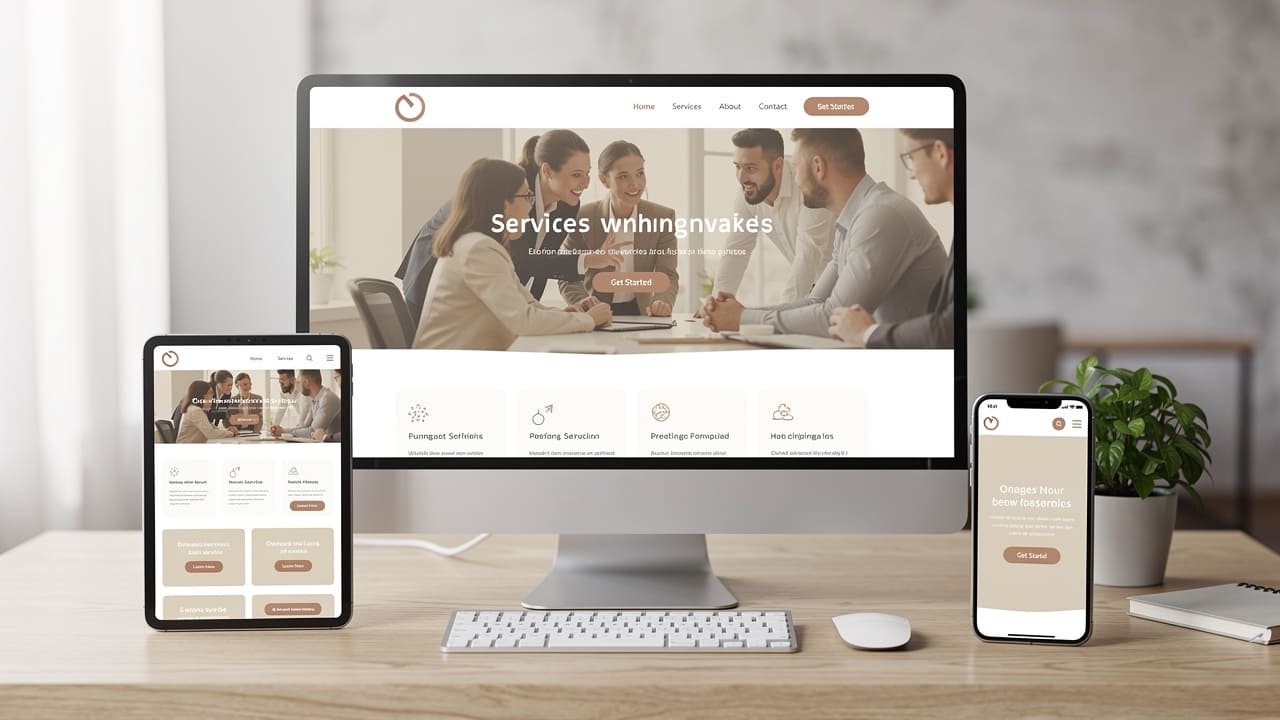
The core services a web marketing company should offer cover website design, search engine optimization, and paid advertising, all connected through a shared strategy rather than sold as separate add-ons. Website design and development lays the foundation, since even excellent traffic converts poorly on a slow or confusing site. SEO builds long-term, no-cost organic visibility for the exact phrases your customers search. Paid advertising through Google Ads, Meta Ads, LinkedIn Ads, and Microsoft Ads delivers faster, more controllable lead volume instead. Branding, marketing strategy, and ROI tracking act as the connective tissue, making sure every channel supports the same message and reports back to the same revenue numbers.
Search Engine Optimization builds visibility for high-intent searches over time, capturing customers who are actively looking for your services rather than interrupting people who aren’t ready to buy yet. It compounds in value the longer a website invests in it, and it typically needs three to six months of consistent work before rankings shift meaningfully.
Paid Advertising across Google Ads strategy, Meta, LinkedIn, and Microsoft Ads generates leads quickly and gives you granular control over budget, targeting, and messaging. It works especially well for seasonal demand spikes or when a business needs measurable results within weeks rather than months.
Website Design And Development determines whether the traffic you generate actually converts into phone calls and quote requests. A site built around clear service pages, fast load times, and simple navigation consistently outperforms a site built only to look attractive.
Branding And Marketing Strategy ties every channel together so a prospect sees the same professional message everywhere. That’s true whether they find you through a Google search, a LinkedIn ad, or a referral from a past client.
Service Type, Purpose, and Best Use Case
Seeing these services side by side makes it easier to understand how each one supports a different stage of the buying process. The table below breaks down the purpose of each core service and where it delivers the strongest results for service, trades, and industrial businesses.
| Service Type | Purpose | Best Use Case |
|---|---|---|
| SEO | Builds organic visibility for high-intent searches | Long-term lead flow and lower cost per lead over time |
| Paid Advertising | Delivers immediate, controllable traffic | Seasonal demand, new service launches, fast growth targets |
| Web Design | Converts traffic into quote requests and calls | Outdated sites, high bounce rates, low conversion rates |
| Branding/Strategy | Aligns messaging across every channel | Companies scaling or repositioning in a competitive market |
None of these services perform at their best in isolation, a conclusion echoed in research on data-driven marketing process adoption, which found that fragmented tactics without integrated analytics infrastructure limit the return companies see from their marketing investment. The strongest results come from treating all four as parts of one connected system.
Why Partner With Cutting Edge Digital Marketing?

Cutting Edge Digital Marketing works specifically with established service, trades, and industrial companies across Alberta and Western Canada. It builds marketing systems around each client’s actual industry rather than a generic template. Construction firms, electrical and mechanical contractors, oil and gas service companies, fabrication shops, and equipment rental businesses all sell differently than a retail storefront or an e-commerce brand. Their marketing needs to reflect that reality. Website design, SEO, paid digital advertising, and branding are combined into one integrated system. The goal is generating missed lead cost that turn into signed contracts and repeat customers, not just impressions or website visits that never convert.
Industry-Specific Experience with construction, electrical, mechanical, oil and gas, fabrication, and equipment rental companies shapes every strategy. Campaigns are built on how these businesses actually win work, not generic consumer marketing assumptions.
Integrated Systems Over Piecemeal Tactics mean website design, SEO, paid ads, and branding all report back to the same tracking dashboard. Leadership always knows which channel is producing results and which needs adjustment.
Revenue-Focused Reporting replaces vanity metrics like impressions and clicks with numbers that matter to ownership, including cost per qualified lead and estimated revenue attached to each channel.
How Cutting Edge Solves Common Agency Frustrations
Many owners have already tried an agency that disappeared after onboarding or handed their account to a junior staff member with no context. The company positions itself as an outsourced marketing leader instead. It takes ownership of strategy so owners and operations managers can stay focused on running the business rather than chasing status updates.
Tracking infrastructure is built in from the start, so every dollar spent connects back to a lead, a quote, or a closed contract. Instead of low-cost, transactional packages, the approach is consultative and expert-led, prioritizing long-term results over quick, forgettable wins.
A partner worth keeping treats a plateau in results as a shared problem to solve, not something to explain away with excuses.
How Do You Choose the Right Web Marketing Partner?
Choosing the right web marketing partner comes down to evaluating five things: industry expertise, transparent reporting, strategic thinking, a proven track record, and the technology behind their work. A company that understands construction bidding cycles or industrial website design will build smarter campaigns than a generalist learning your industry on your budget. Reporting should connect directly to leads and revenue, not just traffic or impressions, and conversations should feel consultative rather than scripted. Ask about the specific frameworks they use for strategy and optimization, and request examples of results achieved for businesses similar to yours before committing to anything long-term.
Vague Or Unmeasurable Claims like “we’ll improve your visibility” without specific numbers usually signal a company that can’t or won’t be held accountable for outcomes.
Junior-Only Staffing, where your account gets handed entirely to entry-level staff with no senior oversight, often leads to strategy drift and missed opportunities.
Generic, Templated Packages sold identically to every client regardless of industry rarely account for how service and industrial businesses actually generate and close leads.
Outdated Or Limited Technology for tracking and reporting makes it difficult to know whether a campaign is actually working or simply spending budget.
Questions to Ask Before Signing a Contract

Before signing anything, ask for case studies specific to your industry. Look for concrete numbers, cost per qualified lead, conversion rate improvements, or revenue growth over a defined period, rather than vague statements about increased traffic. A company confident in its results will have this information ready without hesitation.
Also ask exactly how success will be measured, how often you’ll receive reports, and who will personally manage your account day to day. Clear answers to these three questions reveal whether you’re getting a genuine strategic partner or simply another client on a crowded, unmanaged list.
How Do You Measure ROI From Web Marketing?

Measuring ad spend calculation from web marketing means tracking qualified lead generation, cost per acquisition, and revenue attribution rather than watching traffic numbers climb without context. A qualified lead is a prospect who fits your ideal customer profile and has a genuine need for your services, not simply anyone who filled out a form. Cost per acquisition tells you what you’re paying, on average, to win each new customer, which lets you calculate a real return against your customer lifetime value. Revenue attribution goes a step further, connecting specific campaigns or channels to closed deals so you know exactly where your marketing budget is working hardest, a process that platforms increasingly support through server-side conversions API implementation that matches ad spend to actual sales outcomes.
Qualified Lead Volume matters more than raw lead count, since a handful of well-matched prospects will always outperform dozens of unqualified inquiries that waste your sales team’s time.
Cost Per Acquisition lets you compare marketing spend directly against average contract value, revealing whether a 5:1 or 10:1 return is realistic for your industry and price point.
Revenue Attribution connects specific channels and campaigns to closed business, showing leadership exactly which investments deserve more budget and which need a different approach.
Setting Realistic Timelines for Results
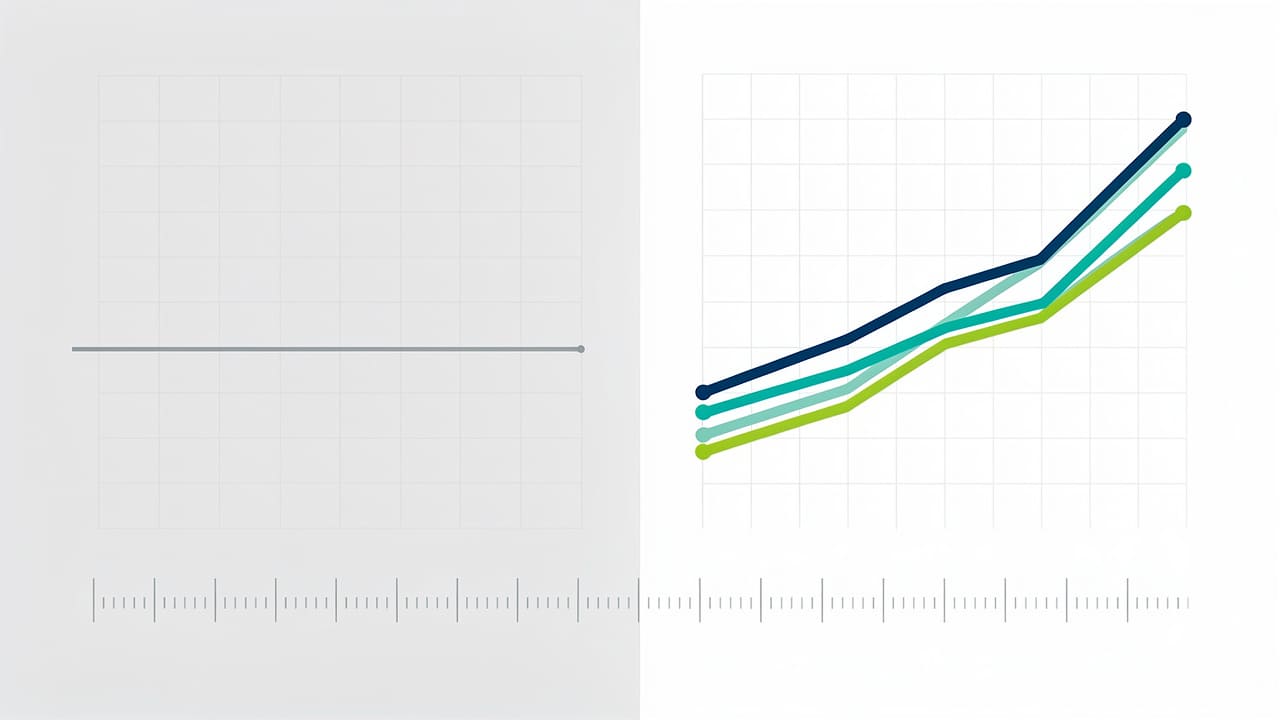
A topical authority guide typically needs three to six months of consistent effort before rankings and organic leads shift meaningfully. Search engines reward steady, sustained work rather than short bursts of activity. Paid advertising moves faster and can generate leads within the first few weeks, though campaigns still need ongoing optimization to keep cost per lead reasonable.
Because both channels evolve over time, quarterly strategy reviews help keep goals, budget, and messaging aligned as your market or business circumstances change. Businesses that expect instant results from SEO, or that abandon paid campaigns before they’ve had time to optimize, often walk away from strategies that were just starting to work.
The Bottom Line
A web marketing company should function as a long-term strategic partner, not a one-off vendor you hire for a single project and never hear from again. The strongest results come from an integrated, ROI-driven approach that combines SEO, paid advertising, website redesign services, and branding under one accountable strategy built specifically for your industry.
If your current marketing setup feels disconnected, hard to measure, or generic for your industry, it’s worth a closer look before another quarter passes. Cutting Edge Digital Marketing works with established service, trades, and industrial businesses across Alberta and Western Canada. These are companies ready to treat marketing as a serious growth investment rather than a guessing game. Get started with a conversation about where your marketing stands today.
Frequently Asked Questions
How much should I budget for a web marketing company?
Most established service, trades, and industrial businesses serious about growth budget between $2,000 and $10,000 a month for web marketing. The right number depends on your company size, competitive market, and growth goals, since a business chasing aggressive expansion typically needs a larger, more consistent investment than one maintaining steady demand.
How is a web marketing company different from a freelancer?
A freelancer usually specializes in one channel, such as SEO or paid ads, while a web marketing company coordinates multiple disciplines under a single strategy. Agencies also provide continuity through account management and reporting structures, so your marketing keeps running smoothly even if one team member changes roles.
Can a web marketing company work with my existing website?
In most cases, yes. A capable partner starts by auditing your existing site for technical issues, conversion problems, and content gaps before recommending changes. A website redesign matters is only suggested when the current site has fundamental limitations, such as poor mobile performance or a structure that blocks search visibility.
What industries benefit most from specialized web marketing?
Construction, trades, industrial website development, oil and gas, and professional services see particularly strong results from specialized web marketing. These industries often have longer sales cycles and more technical buyers, so a partner who understands procurement processes and seasonal demand builds more effective campaigns than a generalist agency would.
How often will I get performance reports?
Most professional web marketing companies provide monthly performance reports paired with quarterly strategy reviews. Reports should connect directly to leads and revenue generated, not just traffic or impressions, so leadership always understands what results their marketing budget is producing and where adjustments might be needed.
What happens if my marketing results plateau?
A strong web marketing partner treats a plateau as a shared problem to solve, not something to explain away with excuses. Expect a real conversation about A/B testing digital ads, refreshing messaging, or adjusting targeting, rather than simply continuing the same activities and hoping performance eventually improves on its own.