
Your website might be the reason a qualified buyer calls your competitor instead of you. If your site loads slowly, looks dated, or buries the contact form, visitors leave within seconds, long before they learn what your business can do for them.
This is why website redesign is important for growth, and it goes far beyond a fresh coat of paint. A redesign done right rebuilds your site around trust, lead generation, mobile use, and search visibility, the kind of gains that build up over years rather than weeks. This article looks at why an aging website quietly costs you business, how a redesign turns your site into a working lead-generation tool, and what separates a cosmetic update from a growth-focused rebuild. We will also cover mobile performance, search rankings, long-term trust, and how to treat redesign as an investment rather than an expense.
Cutting Edge Digital Marketing, a marketing partner for service, trades, and industrial companies across Alberta, sees this pattern often in businesses that have outgrown their current site. Keep reading to find where your website might be holding back growth you have already earned.
Key Takeaways
Redesign builds trust and reputation from the first click, shaping how buyers judge your business before they ever contact you.
A modern site directly improves lead generation, turning more visitors into quotes, calls, and booked jobs.
Mobile use and search rankings both depend on updated, fast-loading design.
Redesign works best as part of a full growth system tied to SEO and paid ads, not a standalone project.
Clear tracking turns redesign into a provable return on investment, not a guess.
Why Does Your Website’s First Impression Matter So Much?
A website’s first impression matters because visitors decide whether to trust your business within seconds of landing on the page. Before they read a single service description, they are already judging your professionalism, your reliability, and whether you look like a company that can handle their project. That snap judgment happens well before your team ever gets on the phone, which means your site is doing a big part of the selling before you say a word.
For trades, construction, and industrial companies, this matters even more because buyers are often comparing several vendors for a bigger contract. A dated site with broken menus or blurry project photos suggests a business that cuts corners elsewhere too. A clean, modern design tells procurement managers and general contractors that you run a serious operation ready for larger, higher-value work, which is exactly why website redesign is important for growth in competitive bidding situations.
How Does Redesign Turn Your Website Into a Lead-Generation Engine?
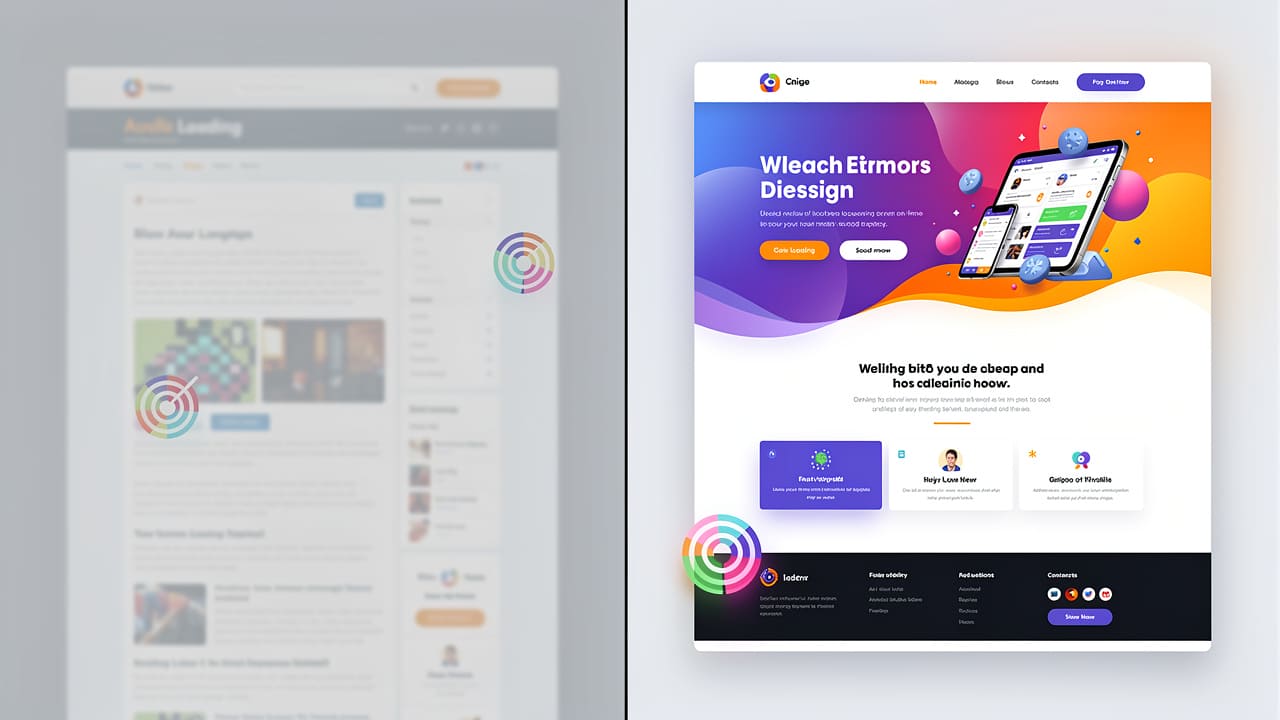
A website redesign turns your site into a lead-generation engine by rebuilding every page around a clear action, rather than treating the site as a digital brochure people simply read. Instead of one contact form buried at the bottom of a page, a growth-focused redesign places calls to action throughout the site.
Here is what typically changes in a growth-focused rebuild:
Calls to action appear on service pages, project galleries, and blog posts, not just the homepage.
Forms get shorter, so a visitor on a job site with five minutes to spare can request a quote without typing out a full project history.
Page structure gets rebuilt around how a real buyer searches and decides.
Pricing signals, service areas, and proof of past work move higher up the page instead of hiding behind extra clicks.
Chat tools, booking calendars, and quote forms give visitors more than one way to reach you, since not every buyer wants to call first.
None of this should happen apart from search engine optimization or return on investment tracking. A redesign that ignores search visibility can look great and still draw fewer visitors than the old site did. A redesign with no tracking in place leaves you guessing whether the new design actually produced more quotes and jobs. Businesses that see the biggest jump in leads plan rankings, conversion paths, and analytics together from the first wireframe, treating measurement as part of the build, not an afterthought. That combination, not the visual refresh alone, is what makes redesign such a strong growth lever for service and industrial companies competing for the same customers.
How Cutting Edge Digital Marketing Builds Redesigns Around Growth

This agency builds every website redesign around lead generation, search rankings, and paid ad readiness from the very first planning call, not as add-ons at the end. It works as a strategic partner for owners and general managers who need a modern site but don’t have the time or in-house skill to manage a redesign themselves. That means less back-and-forth for you and a site built with your growth goals in mind from day one.
Strong tracking gets built into the site from launch, so you can see exactly how many visitors turn into quotes, calls, and booked jobs. Instead of guessing whether the new design worked, you get real numbers tied to cost per lead and conversion rate. For construction, industrial, and service businesses across Alberta, that kind of measurable proof matters more than a fresh look alone.
Why Is Mobile Responsiveness Non-Negotiable for Growth?
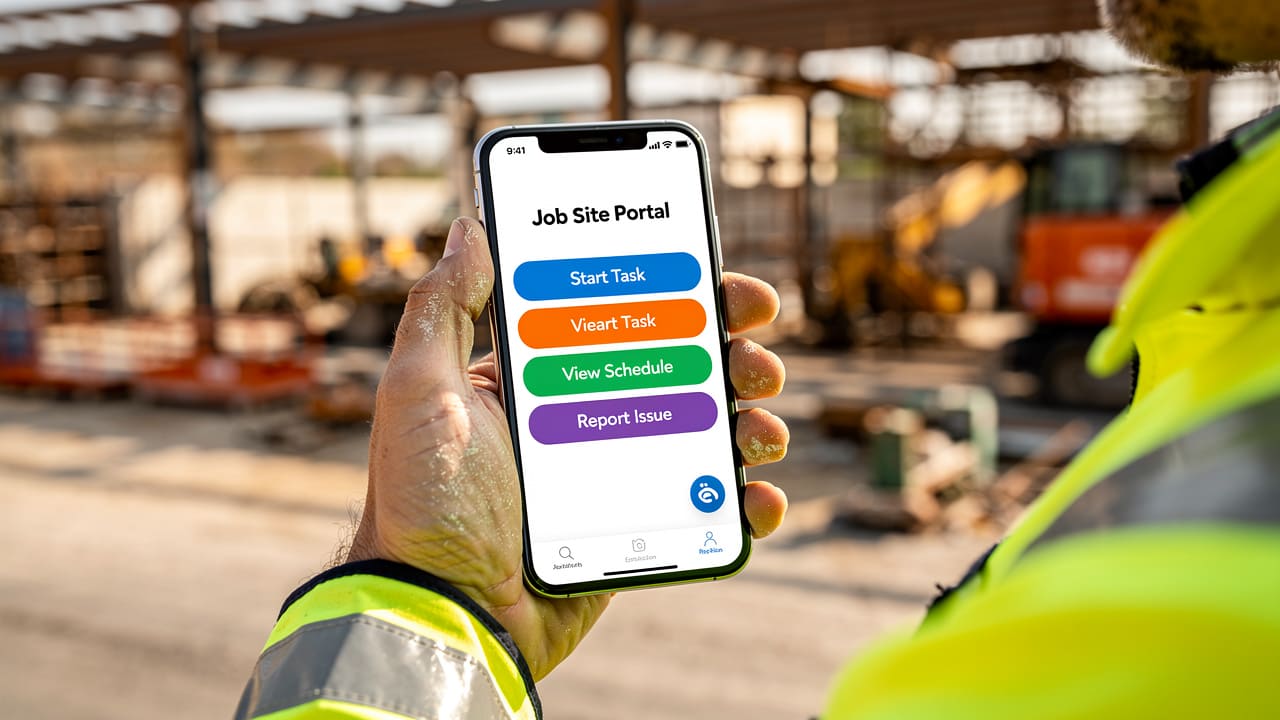
Mobile responsiveness is non-negotiable for growth because most of your buyers are searching for services on a phone, often from a job site or their truck. For trades, construction, and field service businesses, a customer might look up your company minutes before they need someone on-site, and a site that is hard to read on a small screen sends them straight to the next search result.
Google also prioritizes website development best practices, which ties your mobile experience directly to how often you show up in search. A redesign built mobile-first loads faster, displays clearly on any screen size, and keeps buttons easy to tap with one thumb. That combination protects both your search visibility and the leads you would otherwise lose to a competitor’s faster site.
Does Redesign Really Improve SEO and Search Visibility?
Yes, a redesign genuinely improves search engine optimization because it fixes the technical problems that quietly drag down rankings over time. Outdated code, broken links, slow-loading pages, and disorganized site structure all signal to Google that a page is not worth showing to searchers, even when the underlying business is solid and well-run.
During a redesign, industrial website design principles your actual customers search for, whether that is a specific trade service or a city name across Alberta. Content gets organized so search engines can find and understand it, images get compressed for faster load times, and old broken links get fixed or redirected properly. The result is more qualified organic traffic finding you at the exact moment they need your services.
How Does a Redesigned Website Build Long-Term Trust and Competitive Edge?
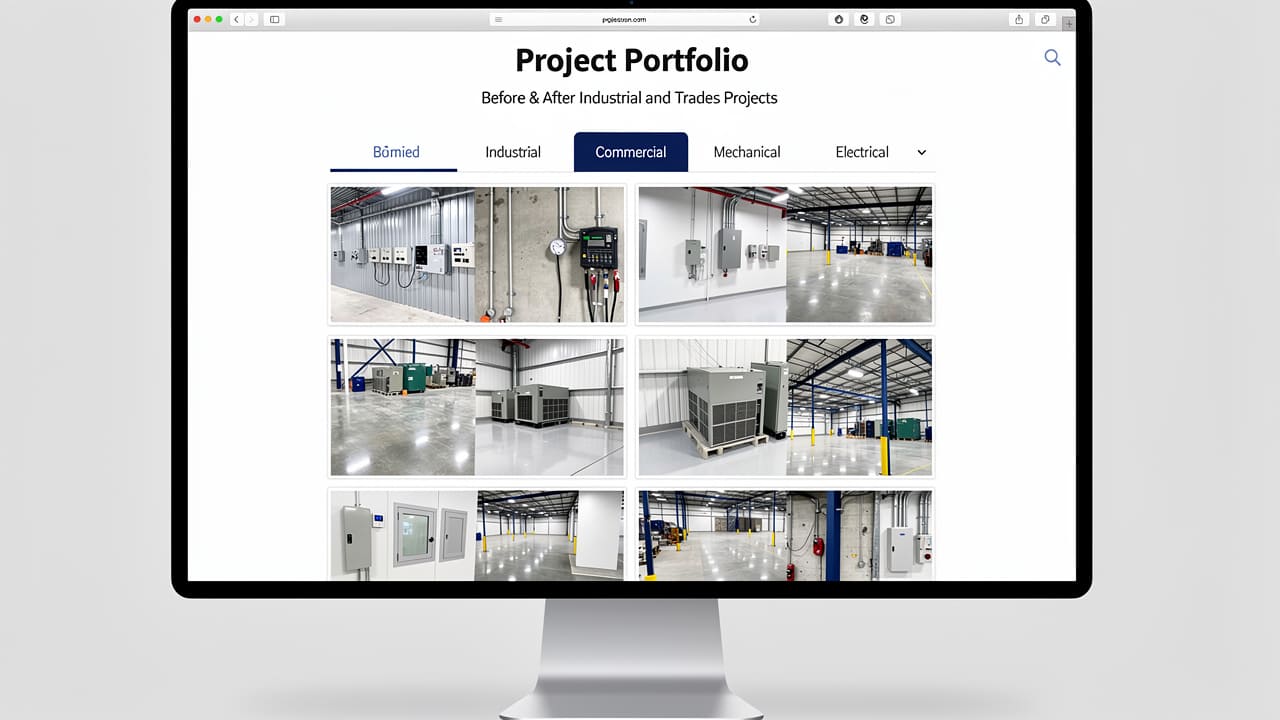
A redesigned website builds long-term trust by giving buyers real proof of your work instead of just a claim that you are good at it. Project galleries, before-and-after photos, safety certifications, and client testimonials all show procurement managers and general contractors that you have handled work like theirs before and done it well.
That proof matters even more once competitors start investing in their own website design edmonton. A dated website next to a polished competitor’s site can make an established, high-quality business look behind the times, even when the actual work is just as strong. Staying current with design keeps you in the running for bigger contracts rather than losing them on appearance alone.
Why Should Redesign Be Treated as a Long-Term Growth Investment?
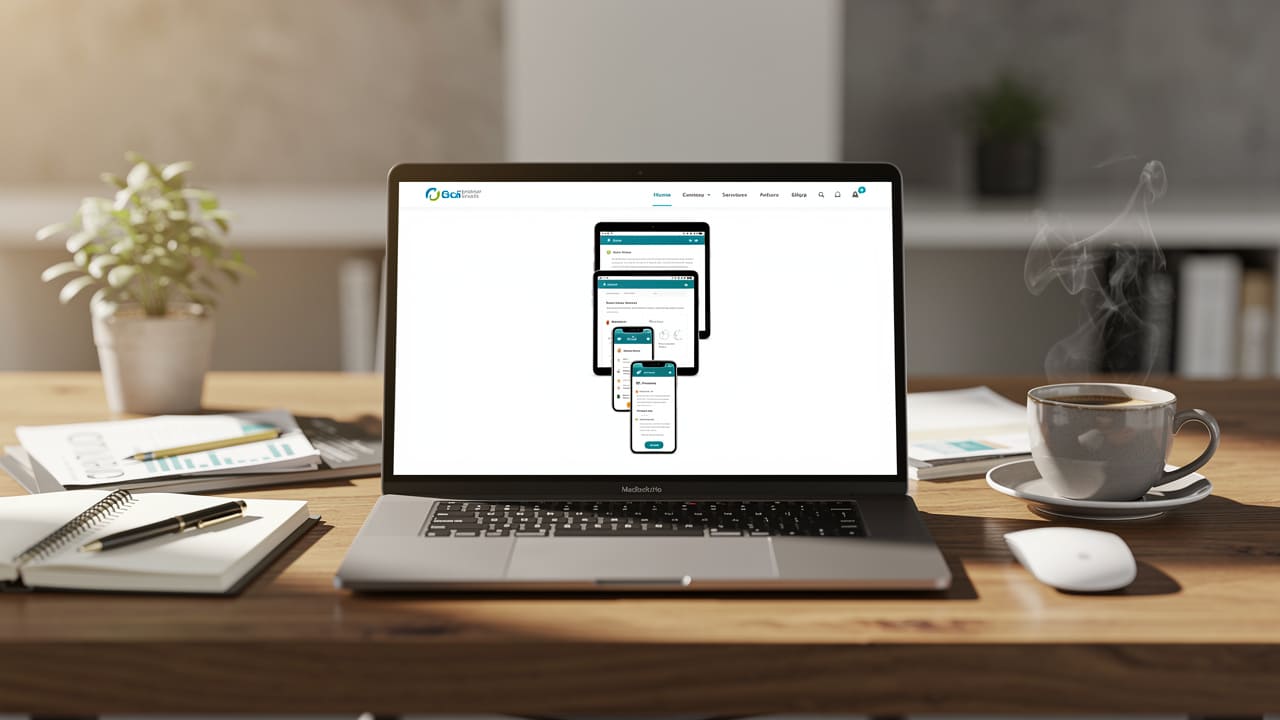
Redesign should be treated as a long-term investment because a well-built site keeps generating leads and building trust for years after launch, unlike an ad campaign that stops working the moment you stop paying for it. For businesses spending $2,000 to $10,000 a month on marketing, a site that converts well makes every other dollar you spend work harder.
Cutting Edge Digital Marketing treats redesign this way with clients, building measurable results and a long-term partnership rather than a one-time, low-cost fix. When a site is judged on qualified leads and revenue rather than looks alone, the investment pays for itself many times over across the life of the site.
The Takeaway
This is why website redesign is important for growth, and not a cosmetic update you do once and forget. Every piece connects: a strong first impression earns trust, a lead-focused structure turns visitors into quotes, mobile design keeps you visible to on-the-go buyers, and solid search engine optimization brings in the right traffic in the first place.
Each of those pieces makes the others work harder, which is why the businesses seeing the fastest growth treat their site as an ongoing asset rather than a finished project. If your current website is holding back the leads your business should be getting, consider redesign as a strategic partnership investment with the team rather than another line-item expense.
Frequently Asked Questions
Business owners exploring website redesign usually have the same practical questions before committing budget and time to the project. Here are straightforward answers to the questions we hear most often from service, trades, and industrial companies planning a redesign, covering timing, ROI, SEO risk, and the real difference between a small refresh and a full rebuild.
How often should a business redesign its website?
Most businesses should plan a redesign every 3 to 5 years, since design trends and technology shift fast. Sooner signs include declining leads, slow load times, poor mobile performance, or a site that no longer matches your services.
What is the average ROI timeline after a website redesign?
Return on investment builds gradually as improved SEO, faster load times, and better conversion paths bring in more visitors over a few months. Track cost per lead and conversion rate after launch to see the gains as they happen.
Can a website redesign hurt my current SEO rankings?
A redesign can hurt rankings if URLs change or redirects get missed during migration, since search engines lose track of pages they trusted before. Proper planning and redirects set up before launch protect your rankings and usually improve them.
What’s the difference between a website refresh and a full redesign?
A refresh means minor updates, like new photos or text on an squarespace vs wordpress. A full redesign is a structural and strategic rebuild tied to growth, covering architecture, lead generation, mobile performance, and search visibility together.
Conclusion
An outdated website costs more than it seems, quietly turning away buyers who never call, never fill out a form, and never tell you why. Redesign fixes that by rebuilding trust, mobile performance, search visibility, and lead capture into one working system rather than leaving them to chance.
For established service, trades, and industrial businesses across Alberta website design and development, the real question is not whether to redesign, but how soon you start capturing the leads your current site is losing. Cutting Edge Digital Marketing works alongside owners and general managers as a long-term marketing partner, building redesigns around measurable growth instead of guesswork, so every visitor has a real chance of becoming your next customer.