
An omni-channel marketing strategy connects your website, email, social, and phone into one system built on shared customer data. This guide from Cutting Edge Digital Marketing shows Alberta trades and industrial businesses how to build that foundation, coordinate every channel, and tie results to revenue. Contact us to see where your channels disconnect today.
Most established service and trades businesses run their website, social media, and email as separate experiments rather than one system. A prospect finds you through search, browses your site, follows you on Facebook, then gets an email that contradicts what they just saw. That disconnect erodes trust, especially across long construction and industrial sales cycles. Fragmented channels waste ad spend and stall qualified leads before they ever request a quote.
For Alberta trades and industrial companies investing real budget, this fragmentation is the biggest drag on return. An omni-channel marketing strategy fixes this by treating email, social, web, and phone as one system built on shared customer data. Building one that works across email, social, and web starts with a strong website and CRM foundation, then layers SEO, paid ads, and content repeating one message. It’s written for Canadian service, trades, and industrial businesses planning 2026 marketing budgets.
Key Takeaways
Omnichannel marketing differs from multi-channel marketing by unifying data, messaging, and customer experience across every touchpoint rather than running channels independently.
Foundations, meaning your website, CRM, and brand consistency, must be solid before expanding into additional paid or organic channels.
Multi-touch attribution is what actually connects marketing spend to revenue instead of guesswork.
Construction, industrial, and trades sectors benefit most from channel mixes built around their specific buyer, not generic templates.
A strategic marketing partner can shorten the path to a working omnichannel system versus building it entirely in-house.
Table of Contents
- What Is an Omni-Channel Marketing Strategy?
- Why Does Omni-Channel Marketing Matter for Canadian Service Businesses in 2026?
- What Are the Core Components of an Effective Omni-Channel Strategy?
- How Do You Build an Omni-Channel Marketing Plan Across Digital Channels?
- How Do You Integrate Offline Channels Into an Omni-Channel Approach?
- What Marketing Technology Powers Omni-Channel Integration?
- How Does Omni-Channel Strategy Improve Fulfillment, Sales, and Customer Engagement?
- What Real-World Omnichannel Marketing Examples Apply to Trades and Industrial Sectors?
- How Do You Implement and Scale an Omni-Channel Marketing Plan?
- The Takeaway
- Frequently Asked Questions
What Is an Omni-Channel Marketing Strategy?
An omni-channel marketing strategy connects every marketing channel, including email, social platforms, your website, phone lines, and offline advertising, into one coordinated system built on shared customer data rather than separate campaigns, a concept explored in depth in recent omnichannel marketing literature reviewing how the approach evolved from multichannel retail. Building a strategy that works across email, social, and web means each channel pulls from the same customer information and repeats the same message, so a prospect who searches on Google, opens an email, and scrolls past a Facebook ad sees one consistent company rather than three unrelated ones. This differs from a basic multi-channel marketing strategy, which simply operates the same channels side by side without connecting the data, timing, or messaging between them.
For a construction firm or an industrial equipment supplier in Alberta, that distinction determines whether a prospect experiences a coordinated sales process or a confusing string of disconnected touches. Service businesses in trades, mechanical, electrical, and oil and gas sectors typically face long, considered sales cycles where a buyer might research for weeks before requesting a quote, moving between search results, review sites, LinkedIn, and phone calls along the way. An omnichannel approach keeps every interaction informed by what happened before it, so a phone call references the email a prospect opened last week and a proposal reflects the exact service page they viewed. Without that coordination, sales teams repeat information customers already gave, marketing spend gets wasted on contradictory messages, and prospects lose confidence before they ever sign a contract.
Omnichannel vs. Multi-Channel: What’s the Real Difference?
Omnichannel marketing and multi-channel marketing both use several platforms, but only one connects those platforms into a single customer experience. Multi-channel marketing runs a website, social accounts, and email independently, each with separate data and messaging. Omnichannel marketing links that same data so every channel reflects a prospect’s full history. Picture a homeowner who gets a generic email pitching services she already declined, versus one referencing the exact renovation she asked about.
That difference in coordination directly affects conversion rates for considered purchases like construction and industrial services, since research on customer journey design shows unified touchpoints improve how prospects experience a brand across channels.
| Factor | Multi-Channel Marketing | Omnichannel Marketing |
|---|---|---|
| Data Integration | Each channel stores its own data separately | Customer data is unified across every channel |
| Messaging Consistency | Messages vary by channel and team | Messaging stays consistent everywhere |
| Customer Experience | Fragmented, requires repeating information | Continuous, remembers prior interactions |
| Attribution Capability | Limited, usually last-touch only | Multi-touch, tracks the full path to conversion |
Why Does Omni-Channel Marketing Matter for Canadian Service Businesses in 2026?
Omni-channel marketing matters for Canadian service businesses in 2026 because customers who interact with a brand across multiple channels show meaningfully higher lifetime value and referral activity than single-channel customers. Alberta’s construction, trades, and industrial sectors depend heavily on referrals and repeat contracts, so a customer who trusts your company across web, email, and phone calls again or recommends you to a colleague. Buyers in mechanical, electrical, oil and gas services, and equipment rental typically compare several vendors, researching on Google, checking reviews, and browsing LinkedIn before ever calling.
When those channels present a consistent, professional company, prospects move through consideration faster and with fewer objections at the proposal stage. Businesses that ignore this coordination lose ground to competitors who show up consistently everywhere a buyer looks, a risk highlighted in consumer research showing competition for attention requires a frictionless omnichannel shopping experience.
Alberta’s geography adds another layer, since providers often cover wide regions where prospects cannot rely on foot traffic alone to discover a company. A business serving Calgary, Edmonton, and surrounding industrial corridors needs its website, local search presence, and social channels working together wherever a buyer searches first. B2B decision-making in industrial sectors often involves multiple stakeholders, a facility manager, a procurement lead, and an owner, each encountering your company through a different channel. Coordinating those touchpoints is no longer optional for businesses competing for the $2,000 to $10,000-plus monthly budgets typical of this sector; it is now the baseline expectation.
What Are the Core Components of an Effective Omni-Channel Strategy?
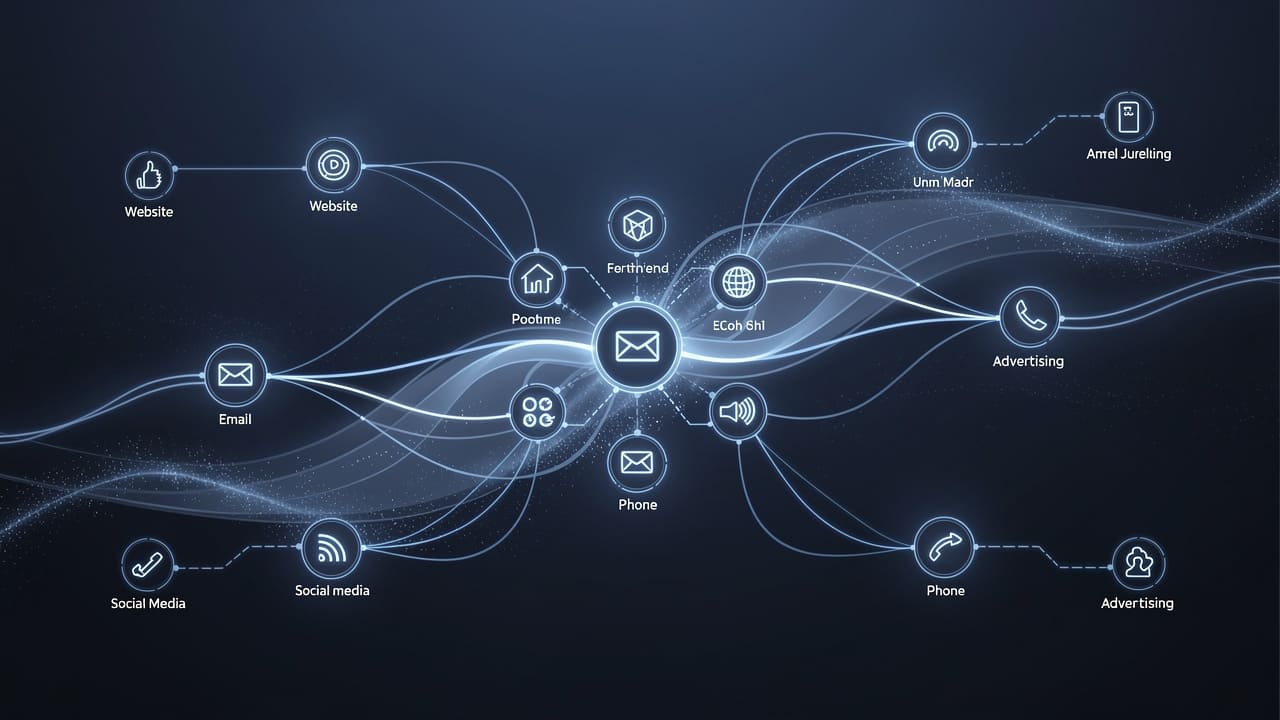
The core components of an effective omni-channel strategy are path mapping across every touchpoint, a single unified data system such as a CRM, and consistent brand messaging applied everywhere a prospect might encounter your company. These three elements form the structural foundation every channel-specific tactic depends on, and skipping any one of them turns channel expansion into disconnected noise rather than a coordinated system. Path mapping identifies every point where a prospect might interact with your business, from an initial Google search or Local Services Ad through website visits, review reading, phone inquiries, and finally a signed proposal, and it reveals where prospects currently drop off.
A unified data system, most commonly a CRM, captures each of those interactions in one place so that whoever a prospect speaks with next, a sales rep, a project manager, or a customer service representative, has full context rather than starting the conversation from scratch. Consistent brand messaging keeps the visual identity, tone, and value proposition identical across your website, Google Business Profile, social accounts, email templates, and printed materials, because inconsistency in any one of these erodes the trust a considered purchase depends on. For a fabrication shop or an equipment rental company competing on expertise, an unprofessional presence on even one channel can undo the trust built everywhere else.
These foundational elements also determine whether attribution works correctly later, since a CRM populated with incomplete data cannot reveal which channels actually generate qualified leads. Businesses that rush into paid advertising or social expansion before these foundations exist typically see rising costs without matching growth in lead quality, which is why foundational guides recommend establishing an omni-channel marketing guide covering data, messaging, and brand consistency before scaling channels.
Customer Journey Mapping and Touchpoint Integration
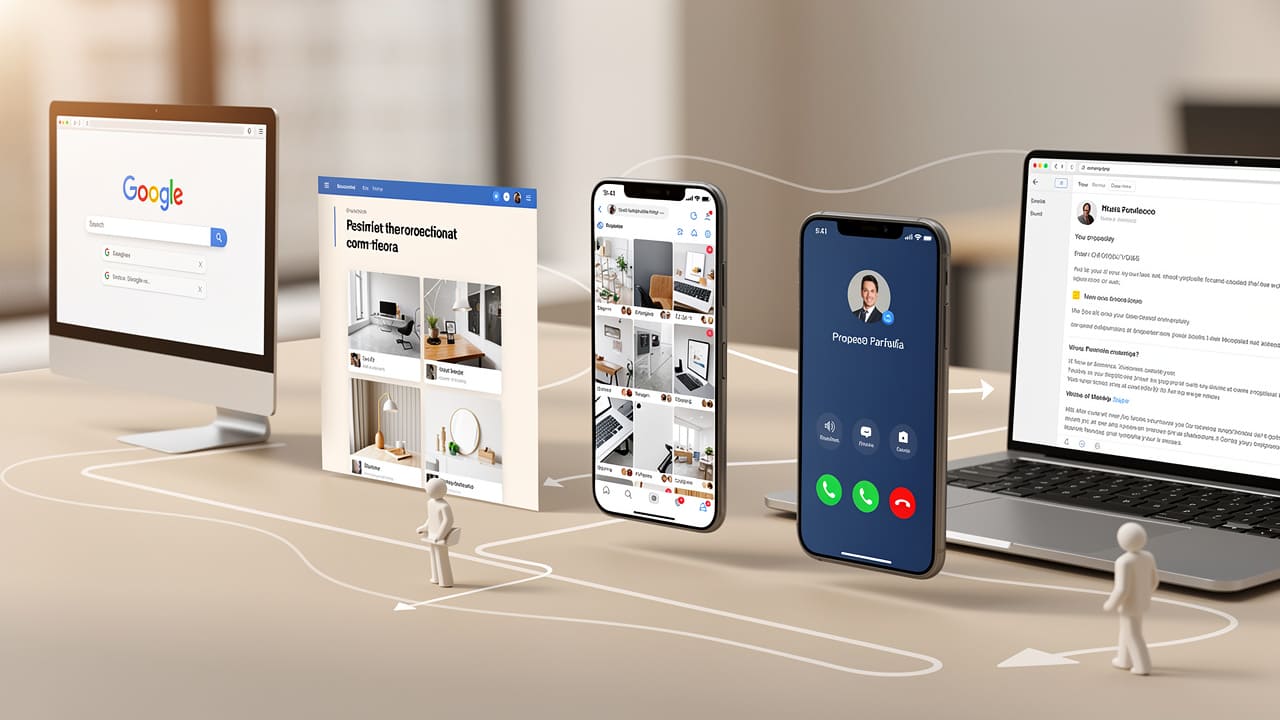
Mapping a customer’s path across touchpoints means documenting every stage a prospect passes through, from initial awareness to final decision, and noting which channel serves each stage. Trades and industrial buyers typically move through distinct awareness, consideration, and decision stages before committing to a vendor. Awareness usually starts with a local SEO, a Local Services Ad, or a referral. Consideration involves reading reviews, comparing case studies, and browsing social proof, while the decision stage centers on phone consultations and written proposals that close the sale.
Searches “commercial electrician Calgary” and finds your Google Business Profile listing.
Visits your website and reviews your project portfolio and testimonials.
Checks third-party review platforms to confirm your reputation.
Calls your office and books a same-day estimate.
Receives a follow-up email with a proposal referencing the call.
Signs the contract after a final phone conversation.
Unified Data, CRM, and Brand Consistency
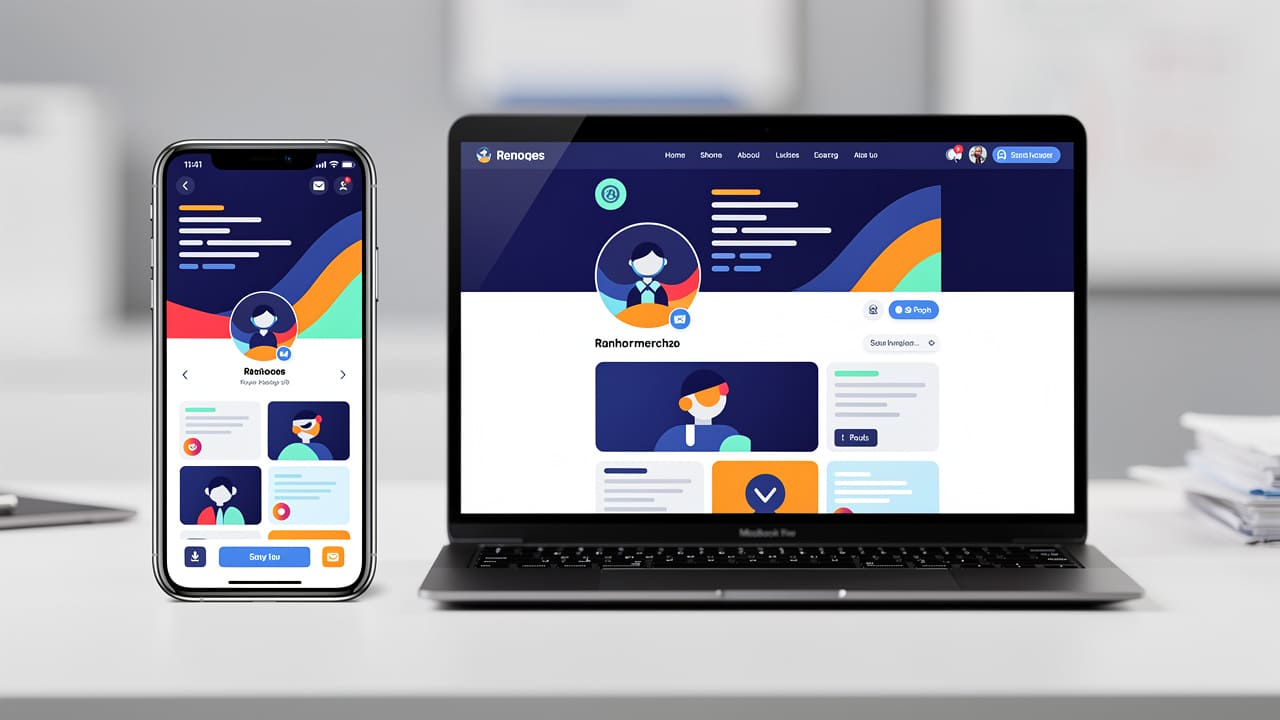
A CRM functions as the central data repository connecting every customer interaction, whether from a website form, a phone call, an email open, or a social comment, into one record your whole team can access. Without it, a salesperson following up on a website inquiry has no way of knowing the same prospect already called twice and received a quote. Brand guidelines complete this picture by specifying the visual identity, tone, and value proposition every channel must reflect, from website copy to vehicle graphics. When a mechanical contractor’s LinkedIn, email, and website all communicate the same expertise, prospects build confidence faster than when messaging shifts by platform.
How Do You Build an Omni-Channel Marketing Plan Across Digital Channels?
Building an omni-channel marketing plan across digital channels starts with recognizing that each channel, your website, search visibility, paid advertising, social media, and email, plays a distinct role rather than competing for the same attention. Coordinating those roles separates a mature strategy from a pile of disconnected tactics. Your website functions as the central hub where traffic from every other channel eventually lands and converts, which means it must clearly communicate your service offerings, showcase proof of past work, and make requesting a quote effortless regardless of where the visitor arrived from.
Search visibility, built through organic SEO and local optimization, brings in prospects actively searching for services you provide, while paid advertising across Google, Meta, LinkedIn, and Microsoft Ads extends your reach to prospects who have not yet searched but match your ideal customer profile. Social media then builds familiarity over time, particularly for construction and trades companies showcasing visual proof of craftsmanship, while email nurtures prospects who are not ready to buy immediately, a common scenario in industrial sectors where decisions take months rather than days.
What determines omnichannel maturity is not how many of these channels a business runs but how tightly they coordinate; a paid ad should reinforce messaging a prospect already saw on your website, and an email should reference content a prospect engaged with on social media rather than starting the conversation over. Businesses running these channels independently, with different messaging and no shared data, end up competing against themselves for the same prospect’s attention instead of moving that prospect steadily toward a decision.
Website, SEO, and Paid Advertising as the Digital Foundation
Your website and search visibility form the digital foundation every other channel points back toward, since paid ads, social posts, and email links all eventually send prospects to pages that must convert them into leads. Local SEO matters for geographically-based service businesses, and optimizing your Google Business Profile with accurate service areas, photos, and consistent contact details determines whether you appear when someone searches in your region. Technical factors, including page speed and mobile responsiveness, affect both rankings and whether visitors stay long enough to request a quote. Service pages should explain what you offer and how to request pricing, while testimonials and project portfolios provide the proof that builds confidence.
Paid advertising across Google, Meta, LinkedIn, and Microsoft Ads should reinforce this organic foundation rather than compete with it, retargeting prospects who already visited your site and reaching new audiences matching your ideal customer profile. Cutting Edge Digital Marketing builds this foundation for established service and industrial businesses by combining website design, SEO, and paid advertising into one aligned system, keeping organic and paid efforts reinforcing the same message instead of sending conflicting signals. This coordinated approach anchors every other channel in an omnichannel strategy, since a strong, consistent foundation determines how effectively social media and email convert the traffic sent their way.
Social Media, Email, and Content Coordination
Social media and email support the digital foundation rather than replace it, and each platform serves a distinct audience within an omnichannel system. LinkedIn works best for reaching facility managers and procurement leads in industrial sectors, where thought leadership content builds credibility with B2B decision-makers. social media marketing suit trades and construction companies well, showcasing before-and-after project photos that build familiarity with local audiences. Email sequences then nurture prospects who engaged with social content, repurposing the same case studies rather than creating separate content for every channel.
Tip: Repurpose one strong project story across every channel rather than writing new content for each platform. The same before-and-after photo set can anchor a social post, an email subject line, and a landing page testimonial without extra production work.
How Do You Integrate Offline Channels Into an Omni-Channel Approach?
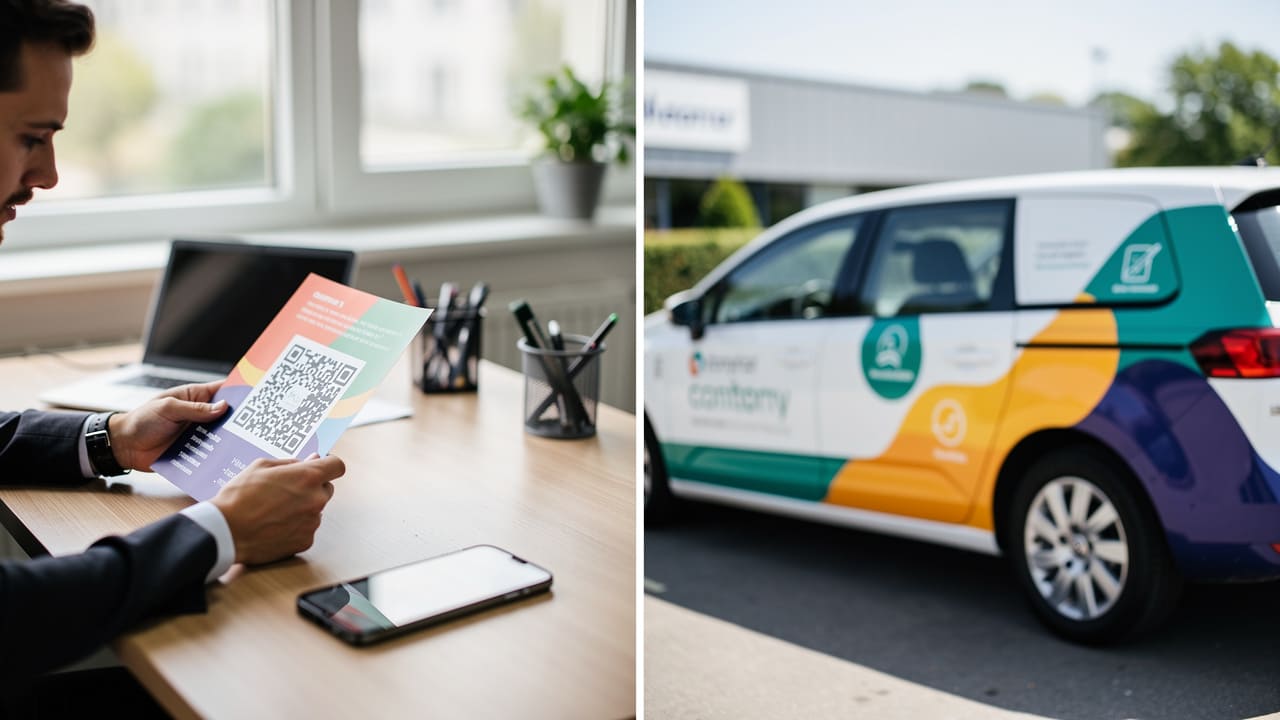
Integrating offline channels means connecting phone calls, local networking, and print advertising to the same data system tracking your digital channels, rather than treating offline contact as separate from your analytics. Telephone remains a preferred initial contact method in construction and industrial sectors, so call tracking that routes numbers by marketing source reveals which channels actually drive phone leads, consistent with findings in the omnichannel marketing playbook on coordinating offline and digital touchpoints. Integrating call records with your CRM gives every team member a complete history regardless of how a customer first made contact.
Local networking, industry associations, and trade shows generate some of the highest-quality leads available, since referred prospects arrive already predisposed to trust your business.
Print advertising, direct mail, and vehicle graphics still serve a purpose within a coordinated strategy, provided they drive recipients back toward a trackable digital destination. A direct mail piece should include a specific landing page URL or QR code rather than a generic web address, letting you measure response the same way you would a digital ad. Vehicle graphics and printed proposals should carry the same visual identity used across your website and email, reinforcing recognition rather than introducing a different look.
When offline efforts feed data back into the same CRM tracking digital channels, your business gains an accurate picture of which touchpoints actually produce signed contracts.
What Marketing Technology Powers Omni-Channel Integration?
Marketing technology powers omni-channel integration by connecting every channel’s data into one system and automating customer communication that would otherwise require manual coordination across teams. A CRM platform serves as the central repository, storing contact details, communication history, pipeline stage, and service interests for every prospect, while marketing automation platforms trigger emails based on website behaviour, form submissions, or specific dates without requiring manual management of each sequence. For service businesses managing the extended sales cycles typical in construction and industrial sectors, where a prospect might research for months before requesting a quote, automation keeps relevant communication flowing so your company stays prominent when the prospect decides to buy.
Analytics and attribution platforms then consolidate performance data from every channel, revealing which combination of touchpoints actually produces qualified leads rather than crediting whichever channel happened to close the deal last, a pattern documented in studies unlocking customer actual behavior across omnichannel touchpoints and brand perceived value. Without this technology stack working together, a business running five or six channels simultaneously has no reliable way to know which ones justify continued investment. Many established service businesses take a phased approach, starting with core CRM and automation capabilities before adding more sophisticated analytics as needs grow.
Omni-Channel Marketing Automation and Attribution Tools
Marketing automation platforms score leads based on engagement level, service relevance, and stated timeline, letting sales teams focus on prospects most likely to convert. Trigger-based nurture sequences maintain contact with lower-scoring prospects automatically, sending relevant content until they show stronger interest. Attribution models determine how credit for a conversion gets assigned across the channels a prospect interacted with. Different models reveal different insights about which channels deserve continued budget, and choosing the right one matters as much as choosing the right channels.
| Attribution Model | What It Credits | Best Used For |
|---|---|---|
| First-Touch | The channel that first introduced the prospect | Measuring awareness and top-of-funnel performance |
| Last-Touch | The final channel before conversion | Measuring closing effectiveness |
| Multi-Touch | Every channel the prospect interacted with, proportionally | Understanding the full path across a long sales cycle |
How Does Omni-Channel Strategy Improve Fulfillment, Sales, and Customer Engagement?

Omni-channel strategy improves sales and fulfillment by giving every team member access to a prospect’s complete interaction history, so a salesperson closing a deal already understands which content a prospect engaged with and which objections they raised. This history means sales conversations pick up where marketing left off rather than starting over, shortening the proposal process for considered purchases common in construction and industrial services. A project manager handling fulfillment after the sale benefits from this same visibility, understanding expectations set during the sales process rather than discovering them mid-project. Without this shared history, customers frequently repeat information they already provided, signaling disorganization at exactly the moment trust matters most.
Post-sale communication extends the same coordinated approach into project updates, review requests, and repeat business outreach, treating existing customers as valuable relationships rather than closed transactions. A customer receiving clear updates through email, quick text confirmations, and occasional phone check-ins experiences a company as organized and dependable, which influences whether they leave a positive review or refer your business. Systematic review requests sent after project completion, timed and personalized to the work performed, generate the reputation that influences future prospects during their own consideration phase. This is where omnichannel thinking pays its largest long-term dividend, since retaining an existing customer costs far less than acquiring a new one.
What Real-World Omnichannel Marketing Examples Apply to Trades and Industrial Sectors?
Construction and residential service companies apply omnichannel principles by combining Google Local Services Ads for immediate lead capture with a website project portfolio, active review management, and social media showcasing completed work. A homeowner researching a kitchen renovation might see a Local Services Ad, click through to a website featuring before-and-after photos and verified reviews, then follow the company’s Instagram account before requesting a quote weeks later. Email follow-up referencing the specific renovation style they browsed, paired with a retargeting ad showing similar completed projects, keeps the company visible throughout that research period. The consistency across every touchpoint, same photos, same messaging, same contact process, is what earns the call.
Industrial and oil and gas service companies apply the same principles differently, since their buyers research more extensively and involve multiple stakeholders before any purchase decision. LinkedIn ads for B2B addressing technical specifications and safety compliance builds credibility with facility managers and procurement leads researching vendors months before a project begins. Email nurturing then maintains contact throughout that extended procurement cycle, sending case studies and technical resources that keep your company visible as budget approval unfolds. This extended, multi-touch pattern is typical across Alberta’s industrial sector, where purchasing decisions rarely happen quickly or through a single channel.
How Do You Implement and Scale an Omni-Channel Marketing Plan?
Implementing an omni-channel marketing plan works best as a phased rollout, starting with an assessment of current marketing activities and touchpoint mapping before any new channel gets added. The next phase builds foundations, a functioning CRM, consistent brand guidelines, and a conversion-ready website, since these determine whether later expansion produces measurable results. Channel integration follows, connecting systems so customer information moves between departments rather than staying isolated in separate tools. The final phase focuses on ongoing optimization, using performance data to refine targeting and reallocate budget toward channels proving their worth. Most established service businesses move through this rollout across six months to two years, depending on existing infrastructure.
Budget allocation should favour channels with proven performance rather than treating every platform equally, which requires the attribution data discussed earlier to make informed decisions. Many established service and industrial businesses find that building this entire system internally consumes more time than their team has available alongside daily operations. Cutting Edge Digital Marketing works as an strategic marketing partner for these businesses, customizing the channel mix to each client’s industry and growth stage rather than applying a generic package, and prioritizing foundations and tracking before scaling into additional channels. This approach connects every channel back to measurable revenue outcomes instead of vanity metrics, which matters most for businesses evaluating whether their investment is working. Learn more about how this partnership works.
A useful way to summarize the phased approach:
Assess: Map current channels, data gaps, and where prospects currently drop off.
Build foundations: Stand up a working CRM, brand guidelines, and a conversion-ready website.
Integrate: Connect systems so information flows between marketing, sales, and fulfillment.
Optimize: Use attribution data to reallocate budget toward what is proven to work.
The Takeaway
Omnichannel success depends on how tightly your channels connect, not how many you run, and the businesses winning qualified leads in 2026 are the ones whose website, email, social, and phone work from the same customer data and message. Getting there starts with the foundation, a working CRM, consistent branding, and a conversion-ready website, before any paid or social expansion makes sense. Attribution then confirms which combination of touchpoints is actually producing signed contracts so budget moves toward what works. If your current marketing runs as disconnected campaigns rather than one system, Cutting Edge Digital Marketing can help assess where those gaps exist and build the coordinated plan that closes them.
Frequently Asked Questions
What is the difference between omnichannel and multichannel marketing in simple terms?
Multichannel marketing runs several platforms independently, each with separate data and messaging. Omnichannel marketing connects those same platforms through shared customer data, so every channel reflects a prospect’s full history and presents one consistent experience rather than several disconnected ones.
How much should a service-based business budget for omni-channel marketing?
Most established service and trades businesses budget $2,000 to $10,000 or more monthly for sustained omnichannel presence. The exact figure scales with how many channels you run and the automation and CRM tools needed to connect everything.
Which omni-channel marketing platforms are best for small and mid-sized businesses?
Most businesses need three platform categories working together, a CRM for customer data, a marketing automation tool for email and nurture sequences, and an analytics or attribution platform for measuring channel performance. The specific tools matter less than making sure they share data properly.
How long does it take to see results from an omnichannel marketing strategy?
Foundation building, CRM setup, branding, and website optimization typically take a few months before channel integration and optimization begin producing measurable lead generation improvements. Full omnichannel maturity generally spans six months to two years, depending on business complexity.
Can a small business realistically implement omni-channel marketing without a large team?
Yes, through phased implementation that prioritizes foundations first rather than launching every channel at once. Many smaller service businesses partner with an outsourced marketing agency to manage strategy, technology, and execution rather than building an internal team from scratch.
What metrics indicate an omni-channel strategy is working?
Qualified lead volume, cost per lead by channel, customer lifetime value, and repeat business rate all indicate real progress. These revenue-aligned metrics matter more than vanity numbers like website traffic or social media followers, which don’t reliably connect to actual business growth.