
Most Alberta trades and construction business owners have no real idea what their competitors are doing online, and that blind spot quietly drains marketing budgets every month. You might run Google Ads, post on social media, or pay for SEO, but without visibility into what rival companies are doing, you’re guessing instead of competing with a real plan. This is exactly the gap competitor analysis tools are built to close.
Competitor analysis tools are software platforms that pull together data on a rival’s website, search rankings, ad campaigns, reviews, and pricing. They turn scattered information into insights you can actually act on, rather than leaving you to piece things together manually. This article covers what these tools do, the main categories available, how to pick one that fits your budget and team, and how a strategic partner like Cutting Edge Digital Marketing turns competitor data into qualified leads and measurable revenue growth.
By the time you finish reading, you’ll know exactly where to start. If you want help sooner, contact us and our team will walk you through the options that fit your business.
Key Takeaways
Competitor analysis tools collect and organize data from competitor websites, ads, social media, and customer reviews, giving you a clearer picture of the market around you.
The main categories worth knowing are SEO platforms like SEMrush, Ahrefs, and Moz, social media monitoring tools, advertising intelligence platforms such as Brandwatch and Crayon, and pricing or reputation trackers like SimilarWeb and Monitor Backlinks.
Choosing the right tool depends on your budget, your team’s technical comfort, and how closely it matches your industry.
A tool only produces raw data. Strategy, not software, is what actually drives revenue growth.
Cutting Edge Digital Marketing helps Alberta service and trades businesses translate competitor insight into campaigns that generate real leads.
What Are Competitor Analysis Tools?

Competitor analysis tools are platforms that automatically collect public information about rival businesses, including their website content, search rankings, ad activity, and customer reviews, then organize it into reports you can read in minutes. Instead of manually checking a competitor’s website or Google Business Profile every week, the software does the watching for you and flags changes worth knowing about.
For Alberta-based trades, construction, and industrial companies, this matters because local competition is fierce and often invisible until a rival wins the bid or ranks above you on Google. A fabrication shop in Edmonton or an electrical contractor in Calgary can use these tools to see exactly which keywords nearby competitors rank for on Google, what they charge, and how customers rate their work, giving a clearer picture of where the real opportunities sit.
What Key Features Should You Look for in a Competitor Analysis Tool?
Competitor analysis tools should combine several capabilities into one dashboard rather than forcing you to juggle separate apps for search, social, and reviews. Platforms like SEMrush and Ahrefs bundle keyword tracking with backlink data, while others such as Brandwatch and Crayon focus more on advertising and brand monitoring. At a minimum, look for:
SEO monitoring that tracks keyword rankings and backlinks, similar to what SEMrush, Ahrefs, and Moz offer
Advertising intelligence that reveals what competitors spend on Google Ads, Meta Ads, or LinkedIn and what messaging they use
Review and reputation tracking that surfaces sentiment trends across platforms like Google and Facebook, often through tools such as Trustpilot or ReviewTrackers
Pricing monitoring that flags when a rival adjusts rates or runs a promotion
Real-time alerts matter just as much as the data itself, since a busy general manager or operations lead rarely has time to log in daily and dig through numbers manually. A tool that pings you when a competitor launches a new campaign or drops their price is far more useful than one that buries insights in a report nobody opens. Customizable dashboards also matter for non-technical teams, because a platform that only speaks in raw export files won’t get used past the first month. Together, these features turn scattered online activity into a short list of things worth acting on each week.
Website and SEO Monitoring

Website and SEO monitoring tracks which keywords competitors rank for, how their backlink profile grows, and what pages they add or change over time. Platforms such as SEMrush, Ahrefs, and Moz specialize in this type of tracking and reveal which search terms are driving traffic to rival companies in your city or region, often terms you haven’t targeted yet. For construction and trades businesses fighting for local search visibility, this intelligence directly shapes which pages and services to prioritize next.
Advertising and Social Media Intelligence

Advertising and social media intelligence shows what competitors spend on paid campaigns across Google Ads, Meta Ads, and LinkedIn, which platforms they favour, and what ad copy they test. Tools like Brandwatch and Crayon are built specifically for this kind of monitoring, seeing a rival’s actual targeting and messaging choices helps you avoid repeating their mistakes while borrowing what clearly works. Social engagement data adds another layer, showing which posts or offers get real reaction from the audience you’re both trying to reach.
Review and Pricing Monitoring
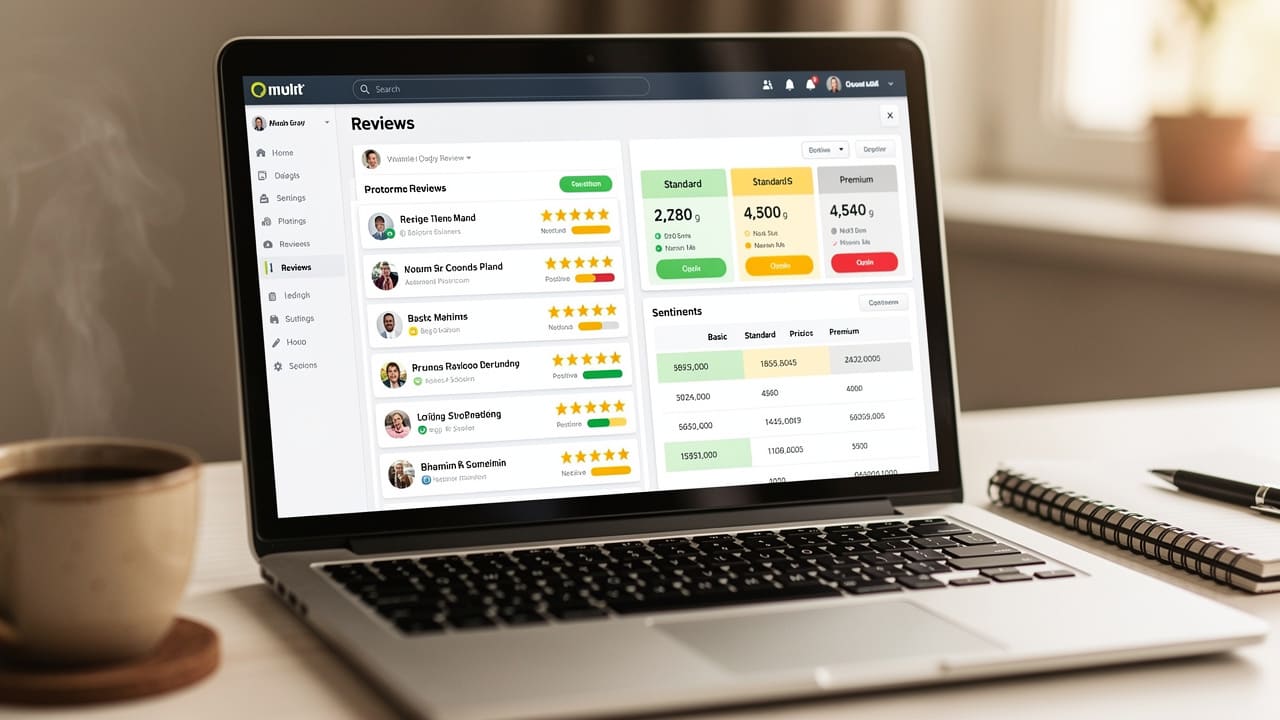
Review and pricing monitoring tracks customer sentiment and rate changes across competitors in your market. Sentiment tracking often surfaces recurring complaints, like slow response times or missed appointments, that point directly to service gaps you can fill. Pricing data, meanwhile, helps you set rates that stay competitive without eating into margins you need to stay profitable.
Which Types of Competitor Analysis Tools Should You Consider?
Competitor analysis tools fall into several distinct categories, and understanding them helps narrow your search before you start comparing vendors. All-in-one SEO platforms, such as SEMrush, Ahrefs, or Moz, combine keyword tracking, backlink analysis, and content research in a single subscription, which suits teams that want broad visibility across digital channels. Specialized tools, by contrast, focus deeply on one area: Brandwatch and Crayon lean into advertising and brand intelligence, SimilarWeb focuses on traffic and market share data, and Monitor Backlinks zeroes in on link profiles, each suiting businesses with a narrower, specific question to answer.
| Tool Category | Best For | Primary Focus |
|---|---|---|
| All-in-one SEO platforms (SEMrush, Ahrefs, Moz) | Teams wanting broad digital visibility | Keywords, backlinks, content |
| Social media monitoring tools | Businesses reliant on social lead gen | Engagement, follower growth |
| Advertising intelligence platforms (Brandwatch, Crayon) | Companies running paid campaigns | Ad copy, spend estimates |
| Review and pricing trackers (SimilarWeb, Monitor Backlinks) | Reputation-sensitive service businesses | Sentiment, rate changes |
How Do You Choose the Right Tool for Your Business?
Choosing the right competitor analysis tool starts with matching the platform to your budget, your team’s comfort with data, and how closely it understands your industry. Pricing ranges widely, from free or under $100 a month for basic tools like Monitor Backlinks to several thousand dollars monthly for enterprise platforms such as Brandwatch, and businesses spending $2,000 to $10,000 a month on marketing budgets usually find the best fit in the mid-range tier, where SEMrush and Ahrefs typically sit. Ease of use matters just as much as features, since a powerful tool nobody on your team actually opens delivers zero value.
Before committing to any paid plan, test the free trial or freemium version most providers offer. This lets you confirm the data feels accurate, the dashboard makes sense to your team, and the tool actually answers the questions that matter to your business, whether that’s local keyword visibility, ad spend benchmarking, or review sentiment in your specific trade. If you want to compare a shortlist against your goals, get started with a conversation before you commit a budget.
Why a Strategic Partner Matters More Than the Tool Itself

Competitor analysis tools only hand you raw data, whether that data comes from SEMrush, Ahrefs, Brandwatch, or any other platform on the market. Turning that data into a strategy that actually grows revenue requires a partner who understands your industry and knows how to act on what the numbers show. This is where generic software subscriptions and templated agency packages tend to fall short. They can tell you a competitor added ten new pages last month, but they can’t tell you which of those pages to copy, adapt, or ignore based on your specific market position.
Cutting Edge Digital Marketing works as a strategic marketing partner for construction, electrical, mechanical, oil and gas, and fabrication companies across Alberta and Western Canada, combining website strategy, SEO, and paid advertising into one system built around competitive insight. Rather than handing clients a dashboard and wishing them luck, the team interprets what competitor data means for your specific bids, services, and local market, then builds campaigns around that understanding. That integrated approach, grounded in real industry experience, is what separates a useful tool from an actual growth plan. Learn more about how this works for businesses like yours.
How Do You Turn Competitor Insights into Measurable ROI?
Competitor insights only matter if they change your numbers, which means tracking a few specific indicators tied directly to revenue rather than vanity metrics like follower counts. Lead quality is the first place to look, comparing conversion rates before and after you adjust messaging or targeting based on competitor data. Cost-per-lead and return-on-ad-spend should also shift as you replicate the channels and tactics that work well for rivals while avoiding the ones that clearly waste their budget.
Lead quality improves when refined messaging, built from competitor gaps, attracts better-fit prospects instead of just more traffic.
Cost-per-lead typically drops once budget shifts toward channels competitor data proves are working in your market.
Market share growth is the clearest long-term signal, showing you’re winning business previously going to competitors.
Track these consistently, and competitor analysis stops being an interesting report and starts functioning as a genuine growth driver.
The Takeaway
The right competitor analysis tool, paired with the right strategic partner, gives Alberta service and trades businesses a real edge in markets where local competition is constant. Data alone won’t win you more bids or better leads; it’s the interpretation and follow-through that turns insight into revenue. Start by getting clear on what questions you actually need answered, whether that’s local keyword gaps, ad spend benchmarks, or pricing pressure, before you shop for software among options like SEMrush, Ahrefs, Brandwatch, or Crayon.
Once you know what you’re solving for, choosing a tool becomes far easier, and so does building a strategy around it. If you’d rather skip the trial-and-error and work with a team that already understands construction, trades, and industrial marketing, explore how Cutting Edge Digital Marketing can help you turn competitive intelligence into a lead generation system built for measurable growth.
Frequently Asked Questions
How Much Do Competitor Analysis Tools Cost?
Pricing ranges from free or under $100 a month for basic platforms like Monitor Backlinks to several thousand dollars monthly for enterprise-level tools such as Brandwatch with advanced features. Most mid-range options, priced between roughly $100 and $500 monthly and including tools like SEMrush and Ahrefs, fit well within budgets of businesses already spending $2,000 to $10,000 a month on marketing.
Can Small Service Businesses Benefit From Competitor Analysis Tools, Or Are They Only For Large Companies?
Small and mid-sized service businesses benefit just as much as larger companies, especially those with 5 to 50 employees managing growth without a dedicated marketing team. Many providers, including Moz and SimilarWeb, offer scaled-down, user-friendly plans built specifically for smaller teams that need clear answers rather than complex data.
How Often Should You Review Competitor Data?
Weekly or monthly review cycles work well for most service and trades businesses. Construction and seasonal trades should also review data ahead of busy seasons, since competitors often shift pricing, messaging, and ad spend on platforms like Google Ads and Meta Ads as demand changes throughout the year.
Do Competitor Analysis Tools Replace The Need For A Marketing Agency?
No, competitor analysis tools provide data, not strategy or execution. They show you what competitors are doing, but turning that into campaigns, website changes, and measurable leads still requires a partner like the team at Cutting Edge Digital Marketing to interpret the data and act on it.
What’s The Biggest Mistake Businesses Make When Using These Tools?
The most common mistake is analysis paralysis, where teams gather endless data from platforms like SEMrush or Ahrefs but never act on it. Set clear objectives before you start pulling reports, so every insight ties back to a specific decision rather than becoming another unread dashboard.
Can These Tools Help With Hiring And Recruitment Strategy?
Yes, monitoring competitor job postings and compensation signals reveals where the labour market is heading in your trade. This proves especially useful for construction and industrial businesses facing skilled labour shortages, helping shape more competitive wage and benefits offers.
Conclusion
Competitor analysis tools give Alberta service, trades, and industrial businesses the visibility needed to make smarter decisions about pricing, messaging, and marketing spend, rather than guessing based on gut instinct alone. From SEO monitoring with SEMrush, Ahrefs, or Moz to advertising intelligence through Brandwatch or Crayon and review tracking, these platforms turn scattered online activity into insight you can actually use to win more business.
Still, the tool itself is only half the equation. Pairing competitor data with a strategic partner who understands your industry, like Cutting Edge Digital Marketing, is what actually converts insight into qualified leads and sustainable revenue growth for your business.