Your business probably has a website, a handful of social posts, and maybe a company intro video someone put together years ago. None of that actually shows a prospect what you do, how well you do it, or why they should trust your crew with their next project.
That gap is what business videography closes, and picking the right approach is a bigger decision than hiring someone with a decent camera.
Business videography is the professional planning, filming, and editing of video that represents your company, its people, its work, and its results. This guide breaks down what falls under that umbrella, from brand videos and client testimonials to event coverage and training content. You’ll also see how the three-phase production process works, which equipment and crew choices actually affect quality, and how to pick a production partner who understands your industry. Cutting Edge Digital Marketing works with Alberta service, trades, and industrial companies that need videography photography to do more than look polished. It needs to bring in qualified leads.
Let’s start with what business videography actually covers.
Key Takeaways
Business videography covers brand videos, testimonials, training content, event coverage, and social media clips built for different stages of the buyer journey.
Production runs through three phases, pre-production, production, and post-production, and each one shapes the final result.
Clear audio and steady lighting affect credibility more than flashy effects or expensive camera gear alone.
Video pays off best as a repeatable asset library, not a one-off project you shoot once and forget. Businesses that treat video this way often need 3-5 new pieces a year to keep pace with campaigns.
The right production partner is judged on portfolio, industry experience, and communication, not just price.
What Is Business Videography?
Business videography is the professional planning, filming, and editing of video content that represents a company’s brand, products, services, people, and events. It covers everything from a thirty-second social clip to a full event recording, and the goal is always the same: show prospects and clients what your business does and why it’s worth trusting.
A well-made corporate video supports three outcomes that matter to any growing company:
Boosts sales and conversions by making an offer easier to understand
Strengthens brand identity through consistent visuals and messaging
Improves customer engagement by giving audiences a more personal connection to the people behind the work
For service, trades, and industrial businesses, that last point often matters most, since prospects want to see who they’d actually be hiring. Companies spending $2,000 to $10,000 a month on marketing typically fold video into that same budget rather than treating it as a separate line item.
What Types Of Business Video Does Your Company Need?
Business video content breaks down into distinct formats, and each one serves a different stage of the buyer journey, from first impression to final decision. An established service or industrial business rarely needs just one type. A contractor might use a brand video on their homepage, testimonials on their services page, training clips for new hires, and event footage from a trade show booth, all pulling double duty across the sales process. Matching the format to the goal, rather than picking whatever looks trendy, is what makes the investment worth it.
Brand And Promotional Videos
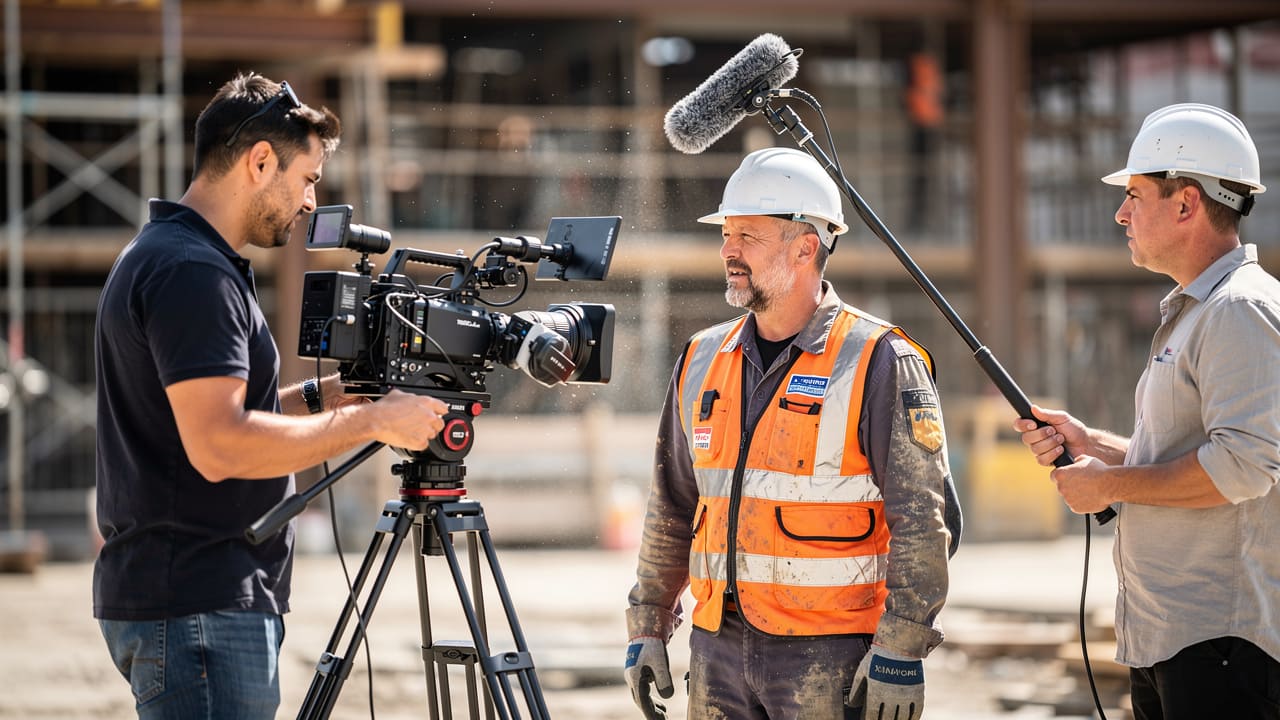
Brand and promotional videos present your company’s identity, services, and value proposition in one clear piece. They’re used on websites, in sales presentations, and across social channels to give prospects a fast, professional first impression. For a construction or industrial company, this is often the single most important piece of video content, since it sets the tone before a client ever calls. A single 60 to 90 second brand video can be repurposed into 5-8 shorter clips for social media, stretching one shoot day across months of content.
Testimonials And Team Interviews
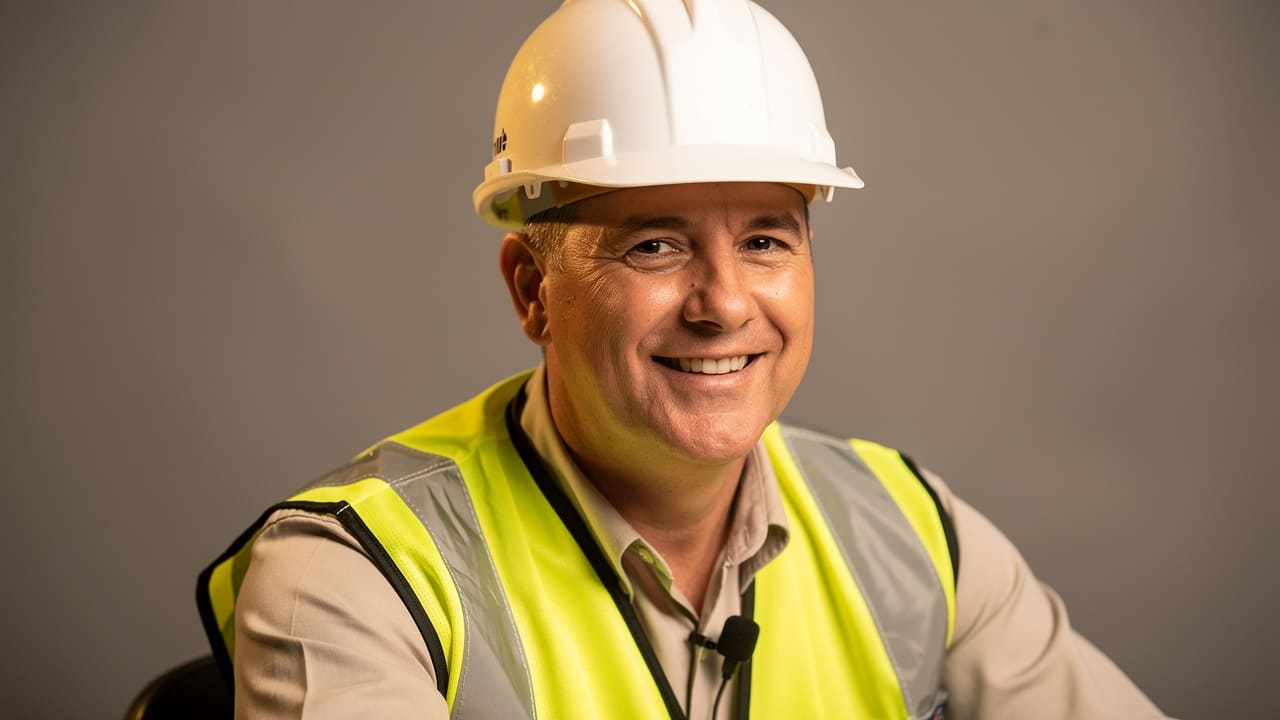
Client client testimonials give prospects third-party proof that your company delivers, which carries more weight than anything you could say about yourself. Team and company bio videos humanize the business, helping clients put a face to the name and supporting recruiting efforts at the same time. Both formats work well paired together on a services page or proposal. Read more about how testimonials fit into a broader lead generation strategy.
Training And Explainer Videos
Training videos support onboarding, standard operating procedures, and consistent messaging across a growing crew. Explainer videos break down technical or industrial services into something a first-time viewer can actually follow, which matters when your work involves processes clients don’t see every day. Both reduce the time managers spend repeating the same instructions.
Corporate Event And Convention Videography
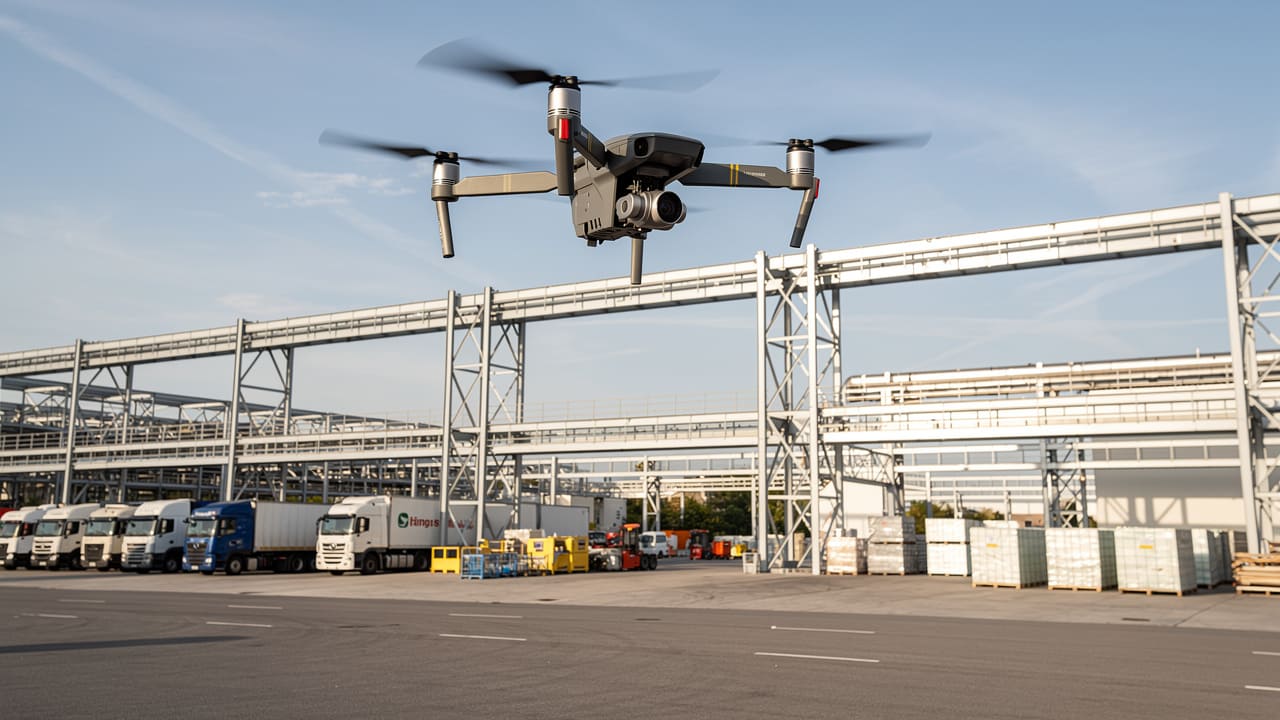
Event videography covers conventions, expos, trade show booths, and company meetings, giving businesses footage that keeps working long after the event ends. Highlight reels condense the best moments into a short piece that promotes future events and shows prospects how well attended and well run yours was. Keynote speaker videos extend a presentation’s reach for months after the event wraps.
Social Media And Live Streaming Content
Each platform, including Instagram, LinkedIn, YouTube, and TikTok, has its own expectations for length, format, and style, so content often needs to be cut and optimized separately for each one. Live streaming broadcasts events, product launches, or training sessions to remote audiences through platforms like YouTube or Zoom. Together, these formats stretch a single shoot across far more channels.
How Does The Business Video Production Process Work?
Professional business video production runs through three phases, pre-production, production, and post-production, and each one carries its own tasks and deliverables. Knowing what happens in each stage helps you set realistic timelines and avoid surprises once filming starts. Thorough planning early on keeps the project aligned with your actual business goals and cuts down on costly reshoots later. Below is what each phase typically involves for a service or industrial business.
Pre-Production Planning The Shoot
Pre-production is where the concept becomes an actual plan, covering the script, storyboard, and shooting schedule before anyone picks up a camera. This stage also identifies locations, talent, props, and wardrobe needs so nothing gets decided on the fly. Strong planning here is often what separates a video that hits its goal from one that just looks nice.
Production Filming Day
Production is the filming phase itself, and it’s usually the shortest part of the process, even though weeks of preparation may lead up to it. The crew captures footage and audio based on the plan set during pre-production, following the shot list and schedule. A well-prepared client makes this stage move faster for everyone involved.
Post-Production Editing And Polish
Post-production turns raw footage into a finished, brand-ready video through editing, color correction, sound design, and motion graphics. This is also where final versions get optimized for different platforms and aspect ratios, since a video built for YouTube rarely works as-is on Instagram. The depth of editing and effects here largely determines how long this phase takes.
What Equipment And Crew Does Professional Videography Require?
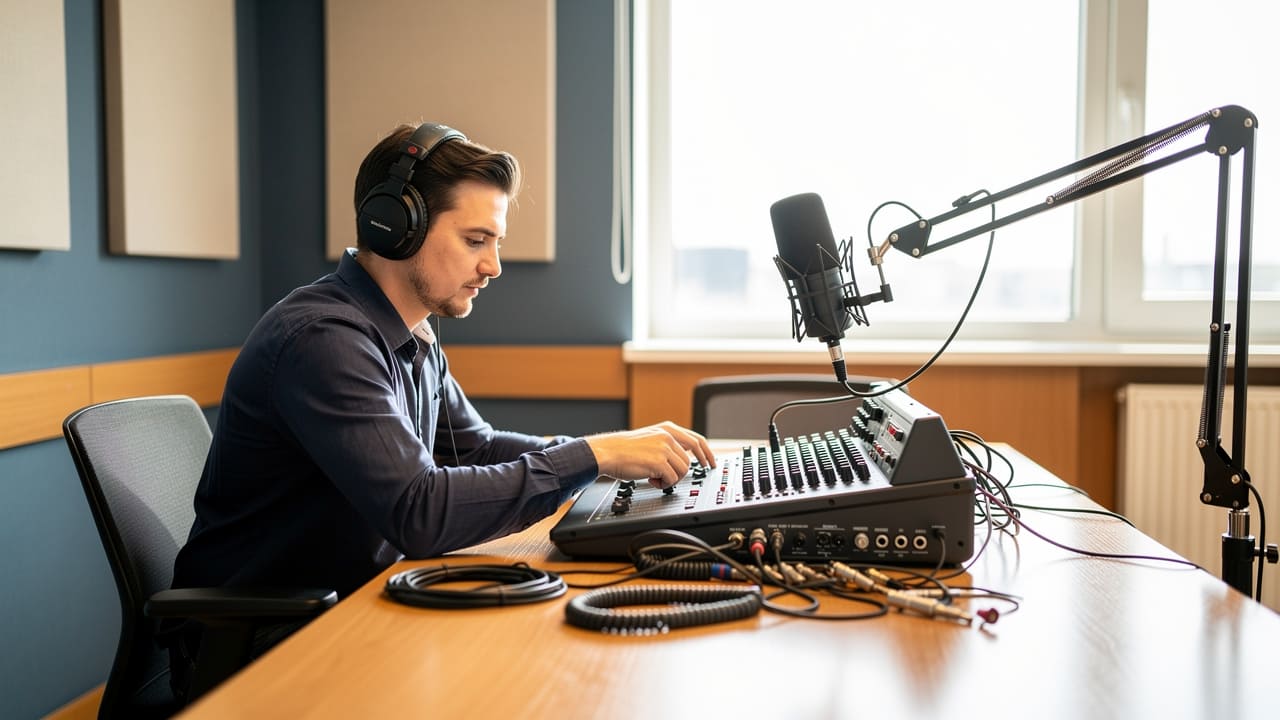
Professional videography depends on the right combination of cameras, audio gear, and an experienced crew working together, not just one expensive piece of equipment. Multi-camera setups, tripod and shoulder-mounted rigs, jibs, cranes, and drone mounts all add production value, particularly for events and large facilities where one angle can’t capture everything. A Director of Photography and camera crew bring their own gear and creative direction, which lets a business focus on messaging instead of managing a shoot.
audio quality, though, is where many videos actually succeed or fail. Viewers will forgive imperfect visuals far more easily than muddy or inconsistent sound, so wireless lavalier microphones, shotgun mics, and multi-track recorders matter as much as any camera. The table below breaks down what each equipment category contributes to a finished video.
| Equipment Type | Common Gear | What It Adds |
|---|---|---|
| Camera | Tripod, shoulder rig, jib, crane | Stable, professional framing and movement |
| Audio | Lavalier mic, shotgun mic, multi-track recorder | Clear dialogue and reliable sound capture |
| Aerial | Drone | Scale and facility or site overviews |
| Lighting | Portable kits, reflectors | Accurate skin tone and visual clarity |
How Do You Choose The Right Business Video Production Partner?
The right business video production partner is judged on portfolio quality, industry experience, and communication, not on who quotes the lowest price. A production company’s past work shows whether they can deliver the style and quality your business actually needs, while experience in construction, industrial, or trades sectors means they already understand your terminology and audience. Pricing should be compared on a like-for-like basis, factoring in crew, equipment, revisions, and delivery formats rather than a single bottom-line number. Clear communication from the first call through final delivery is what keeps a project on schedule and on message.
What To Look For In A Video Partner
Before signing on with a production company, run through a short checklist to confirm they’re the right fit for your industry and budget.
Review the portfolio for work that matches the style and quality level you actually need, not just a general demo reel.
Compare pricing against scope, including crew, equipment, revisions, and delivery formats, rather than a flat number.
Confirm responsive communication from the first conversation through final delivery, since that predicts how smooth the project will run.
A good rule of thumb: if a production company can’t clearly explain their process on the first call, that’s a sign communication will be a problem later too.
Why Video Works Best As Part Of A Bigger Marketing System
Business videography delivers the most value when it’s paired with a website, SEO, and paid advertising that actually get it in front of qualified leads. A standalone video, no matter how well produced, can’t generate business on its own if nobody finds it, which is why video should be built as one piece of a complete marketing system rather than a one-off purchase.
This is where about us fits for Alberta and Western Canadian service, trades, and industrial businesses. Cutting Edge Digital Marketing combines website design, SEO, paid ads, branding, and content creation into one system, so video supports measurable lead generation instead of sitting unused on a homepage. For established businesses already investing $2,000 to $10,000 a month in marketing, a custom strategy with proper tracking, rather than a generic video package, is what connects production quality to actual revenue growth. Contact us to find out how video can fit into that system for your company.
The Takeaway
Business videography builds credibility, trust, and engagement, but only when it’s backed by proper planning and professional execution rather than a rushed afternoon shoot. Knowing the types of video available, understanding the three-phase production process, and weighing equipment and crew quality all help you set realistic expectations before you ever sign a contract.
Choosing the right partner and pairing video with a full marketing strategy is what makes the investment pay off over time. If you’re weighing a video project against your broader growth goals, it’s worth evaluating both together, or book a call like Cutting Edge Digital Marketing about how video fits into your overall marketing system. You can also explore past videography and photography projects before you decide.
Frequently Asked Questions
How Much Does Business Videography Typically Cost?
Costs vary widely by scope. A single testimonial video costs far less than multi-day event coverage, and full-service production, from concept through post-production, costs more than standalone services like editing alone. Many established service and industrial businesses fold video into an existing $2,000 to $10,000 a month marketing budget rather than paying for it as a one-off expense. Set a realistic budget before requesting quotes so you can compare proposals fairly.
How Long Does It Take To Produce A Business Video?
Pre-production planning can take anywhere from a few days to several weeks, depending on how complex the concept is. Filming itself is usually the shortest phase of the whole project. Post-production length then depends on editing depth, effects, and how many rounds of revisions you need.
Can I Use The Same Video Across Multiple Platforms?
Yes, long-form content can be cut into shorter clips suited to social platforms. Each one, including LinkedIn, Instagram, and YouTube, needs different lengths and aspect ratios to perform well. Repurposing footage this way increases the value you get from a single shoot.
Do I Need A Full Production Team, Or Can I Hire For A Single Service?
Either option works, depending on your needs. Some businesses need full-service production from concept to final edit, while others only need standalone services like color correction or live streaming. Match the scope to your in-house capabilities before you request quotes.
How Often Should A Business Create New Video Content?
Video works best as a repeatable asset library, not a one-time project you shoot and forget. Ongoing partnerships let a production team learn your brand’s voice and visual identity over time, which speeds up future projects. Frequency should follow your marketing goals, campaigns, and event schedule.
What Makes Industrial Or Trades Video Different From Typical Corporate Video?
Industrial and trades video needs to clearly show professionalism, safety practices, and project outcomes rather than a generic office setting. It’s often used to show completed work and prove capability to prospects comparing providers. A production partner with construction or industrial experience will understand what details actually matter to that audience. Get started by discussing your project goals on a quick call.