Advertising can feel a bit like spraying money across the whole city and hoping the right people notice. The budget looks big on paper, yet the phone is quiet and the sales team keeps asking where the leads are. This is where geo-fencing advertising services change the game for serious Alberta businesses.
Key Takeaways
Geo-fencing advertising services build virtual boundaries around specific real-world locations — such as competitor yards, job sites, and trade shows — so your ads reach only high-intent prospects, not random audiences.
Location-based targeting consistently delivers stronger lead quality and a lower cost per conversion than broad city-wide or demographic-based campaigns, with geo-fencing CTRs running as much as 3–5× higher than standard display averages.
Key strategies for Alberta trades and industrial companies include competitor conquesting, active job-site targeting, event and trade-show fencing, and addressable geo-fencing from curated prospect address lists.
Campaigns are fully measurable through impressions, click-through rates, cost per conversion, view-through conversions, and conversion zone tracking that links ad spend to real foot traffic.
Cutting Edge Digital Marketing integrates geo-fencing into a complete digital system — combining SEO, paid search, and social — to build a long-term, revenue-tied lead generation engine rather than a one-off ad stunt.
“Half the money I spend on advertising is wasted; the trouble is, I don’t know which half.”
— John Wanamaker
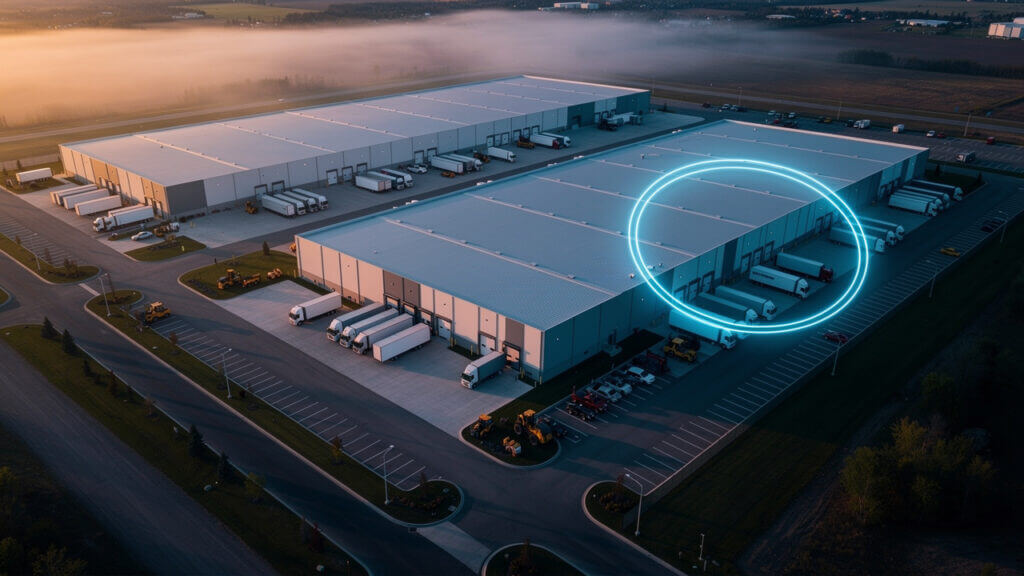
Instead of blasting ads at everyone in Calgary or Edmonton, geo-fencing builds a virtual boundary around real places that matter to your business. Think competitor yards, active job sites, industrial parks, trade shows, or even specific office towers. When someone with a smartphone steps inside that boundary, their device is tagged and they start seeing your ads across the apps and sites they already use.
For construction, trades, and industrial companies, location is a strong buying signal. Someone walking into a competitor’s rental yard, or onto a commercial build in Nisku, is far more valuable than a random homeowner scrolling from the couch. In this article, you will see how geo-fencing advertising services work, the strongest strategies for Alberta industries, what numbers to watch, and how to get real ROI instead of vanity metrics. Along the way, you will also see how Cutting Edge Digital Marketing uses geo-fencing as part of a broader, long-term lead generation system rather than a one-off ad stunt.
What Are Geo-Fencing Advertising Services And How Do They Work?
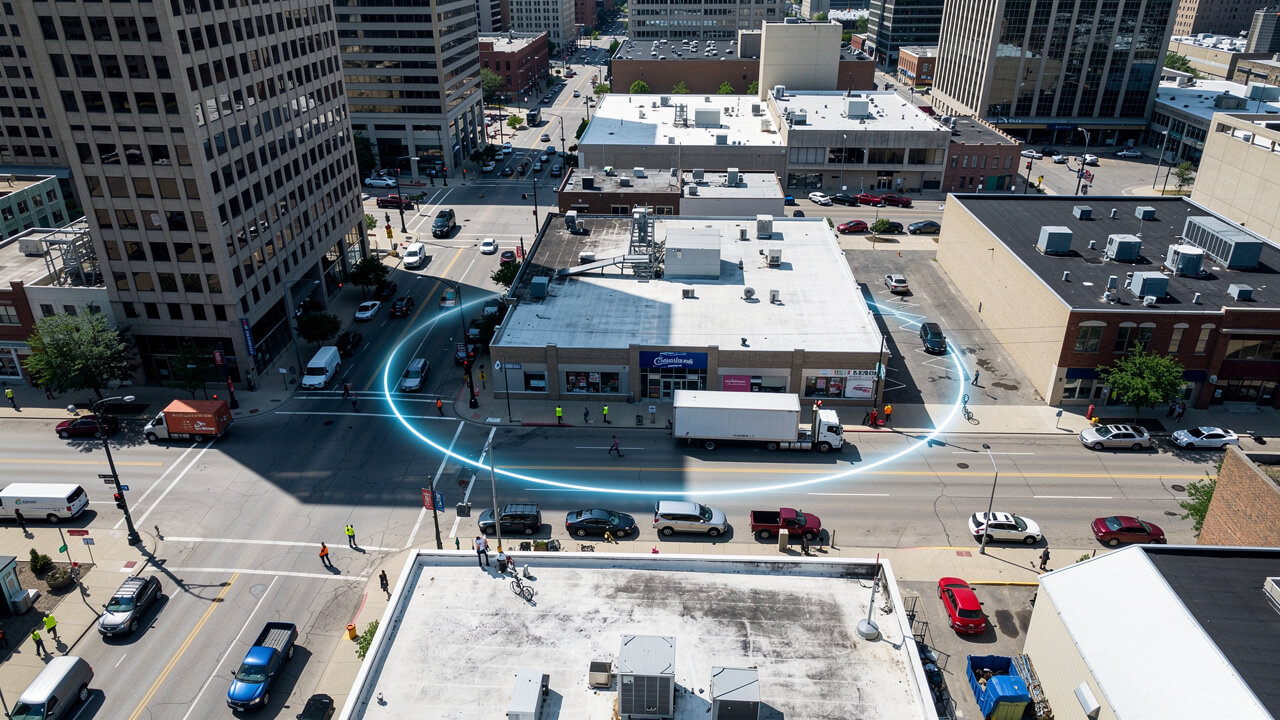
Geo-fencing advertising services use location data to trigger ads when someone enters a defined area in the real world. A digital perimeter is drawn around a physical place such as a competitor’s office, a construction site, an industrial park, or a trade show venue. When a device with location services on moves into that zone, the ad platform records an anonymous ID and starts showing that person your ads. According to research by the Mobile Marketing Association, location-targeted mobile ads are up to 20 times more relevant to consumers than non-targeted ads, which translates directly into higher engagement rates for B2B campaigns.
Several technologies work together behind the scenes:
GPS gives strong accuracy outdoors, which is ideal for large job sites, equipment yards, and highway-facing businesses.
Wi-Fi helps pinpoint devices inside buildings where GPS can be weaker, such as office towers or convention centres.
Cellular data from towers fills the gaps to keep tracking reliable, even when other signals are not ideal.
Bluetooth beacons can add extra precision inside crowded venues or complex facilities.
The basic process is straightforward once you see it step by step:
The geo-fence is drawn on a digital map around your chosen locations.
When a device enters the zone, its anonymous advertising ID is captured and added to a target audience.
That person then sees your ads across apps and websites while they are inside the fence and for a set window after they leave, often up to about a month.
During that time, the platform tracks clicks, form fills, calls, and even visits to your own site or office.
It helps to separate geo-fencing from geotargeting, because they are not the same thing:
Geotargeting shows ads to people inside a wider area such as a city, postal code, or region, often based on where they live or browse.
Geo-fencing is based on movement into a tight area that you pick, and it triggers because someone actually stepped into that exact space.
For Alberta trades and industrial companies, that difference matters a lot. Geotargeting everyone in Edmonton will always include a huge crowd with no intent to buy. Industry data shows that geo-fenced campaigns targeting competitor and job-site locations can reduce wasted impressions by as much as 60% compared to broad city-level targeting, significantly lowering cost per qualified lead. Geo-fencing advertising services focus your spend on specific people who are standing in places that match real demand, such as a fabrication shop, a competitor’s branch, or a high-value oil and gas site. That precision cuts waste and keeps your ads in front of decision makers, not random passersby.
Proven Geo-Fencing Strategies For Service, Trades, And Industrial Businesses
Once the technology is clear, the next step is using geo-fencing advertising services in ways that support real business goals. For Alberta service-based, trades, and industrial companies, the strongest results come from targeting places where buyers already make decisions. That includes competitor locations, job sites, industry events, and even specific addresses pulled from your sales lists.
Competitor Conquesting And Job Site Targeting
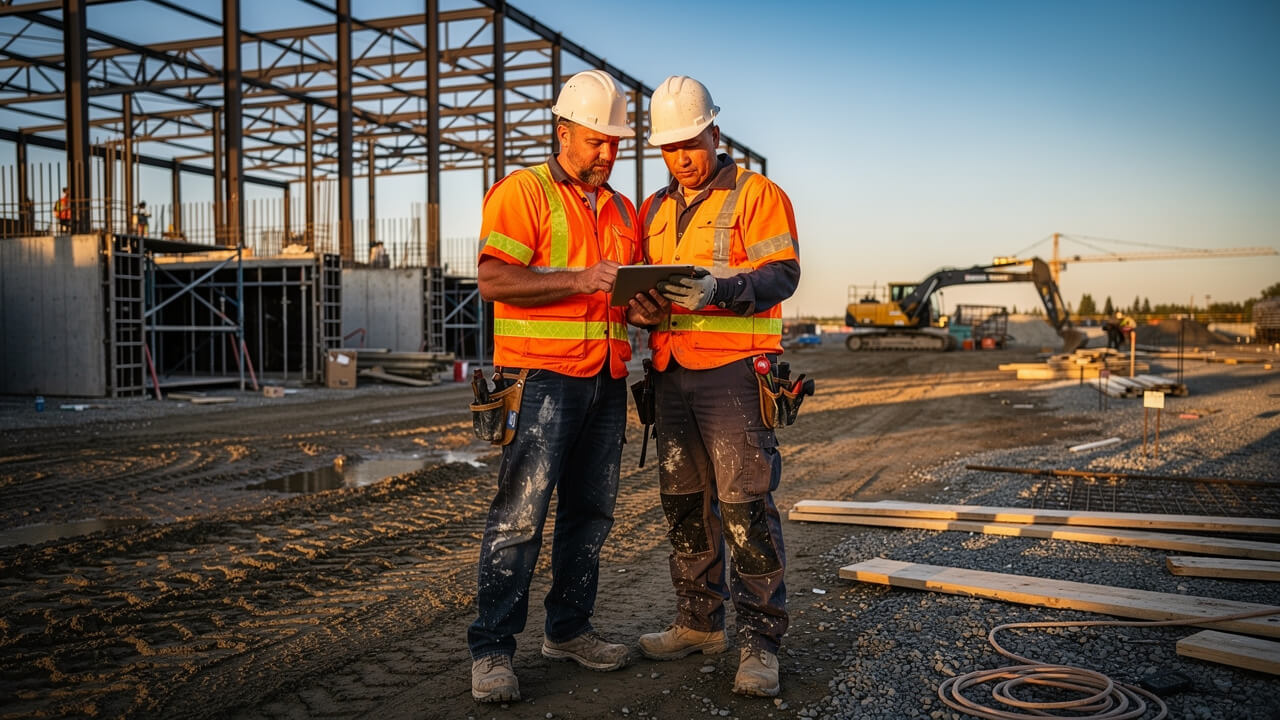
Competitor conquesting puts your brand directly in front of people who are standing on a rival’s turf. You draw a fence around competing offices, showrooms, rental yards, or dispatch centres. When prospects walk into those locations, their devices are added to your audience and start seeing your offers. For example, an equipment rental company in Calgary can fence nearby rental yards and promote better availability, faster delivery, or stronger service guarantees while buyers are comparing options. Studies on conquesting campaigns in the trades and industrial space show that well-executed competitor geo-fencing can lift brand consideration by 30% to 40% among visitors to rival locations within the first 30 days of a campaign.
Strong conquesting ads often highlight:
Faster delivery or shorter lead times
Better warranty or maintenance support
Stronger safety track record or certifications
Clear price or value advantages
Job site and project targeting works the same way but focuses on active work instead of offices. A commercial HVAC contractor might fence large new commercial builds, industrial parks, or multi-storey residential projects. Project managers, general contractors, and trades walking those sites then see ads that speak directly to their needs, such as maintenance programs, design-build support, or fast emergency response.
Both tactics focus on people who are clearly involved in work that matches your services. Instead of guessing based on job titles or interests, geo-fencing advertising services reach them at the moment they are on-site and thinking about equipment, labour, or subcontractors.
Event Targeting And Addressable Geo-Fencing

Event and trade show targeting lets your business stay in front of an entire room of prospects long after the doors close. By fencing venues such as the Calgary Global Energy Show, the CHBA Building Show, or regional construction expos, you capture the device IDs of attendees during the event. Over the next few weeks, they keep seeing your brand, case studies, and offers while they scroll social feeds, read news, or check the weather. Event-based geo-fencing campaigns typically achieve an audience capture rate of 70% to 85% of total attendees at a venue, giving advertisers a far larger retarget pool than standard badge-scan lists from booth visits alone.
This ongoing visibility turns a three-day show into a month of follow-up without handing out thousands of brochures. Instead of hoping people remember your booth, geo-fencing advertising services quietly remind them who you are and what you do. You gain extra value from every hour your team spends on the show floor.
Addressable geo-fencing takes precision even further by targeting specific addresses from a list. The platform maps each property line and builds a tiny fence around each home or business. An industrial equipment supplier, for example, can upload the head office addresses of high-value prospects across Alberta and reach procurement managers while they are at work. A landscaping company can focus on homes in selected neighbourhoods where larger outdoor projects make financial sense.
Because addressable geo-fencing connects offline lists with digital ads, it bridges the gap between traditional sales methods and modern targeting. Cutting Edge Digital Marketing uses this tactic when clients have strong lists or clear target areas and want geo-fencing advertising services that plug directly into existing sales plans.
The Measurable Business Benefits Of Geo-Fencing Advertising

For owners and general managers, marketing only matters if it moves the numbers that count. Geo-fencing advertising services stand out here because they connect digital impressions to real actions such as calls, quote requests, and even site visits. Instead of guessing who saw what, you get clear data that supports smart decisions. Research from digital advertising benchmarking firm Wordstream indicates that the average display advertising click-through rate across all industries is approximately 0.35%, while location-triggered geo-fencing campaigns in the construction and industrial sectors regularly achieve CTRs between 0.8% and 1.5% — more than double the industry norm.
Some of the key business benefits include:
Stronger lead quality. When someone is inside a competitor’s office, a supply house, or an active job site, they are sending a clear signal that they work in your space. Leads from that pool tend to convert at a higher rate than leads from broad demographic targeting. Sales teams notice the difference because the conversations start further along in the decision process.
Better return on ad spend. Your budget is spent only on people inside carefully chosen fences instead of a whole city. That tighter focus means fewer wasted impressions, fewer junk clicks, and a lower cost per qualified lead. Over a few months, this can shift paid ads from a constant expense to a channel that reliably produces revenue.
A sharper competitive edge. Geoconquesting puts your name in front of prospects who thought they were just dealing with a single supplier. Well-timed ads can highlight faster timelines, better safety records, or stronger service, which is often all it takes to earn a call or a quote request.
Market insight you can act on. Campaign data shows which competitor sites draw the most visits, which events bring serious buyers, and which zones are not worth more spend. At Cutting Edge Digital Marketing, we plug this data into a wider system that includes SEO, website performance, and other paid ads. Geo-fencing advertising services are used as one part of a connected lead engine rather than a stand-alone trick.
How To Measure The Success Of Your Geo-Fencing Campaign
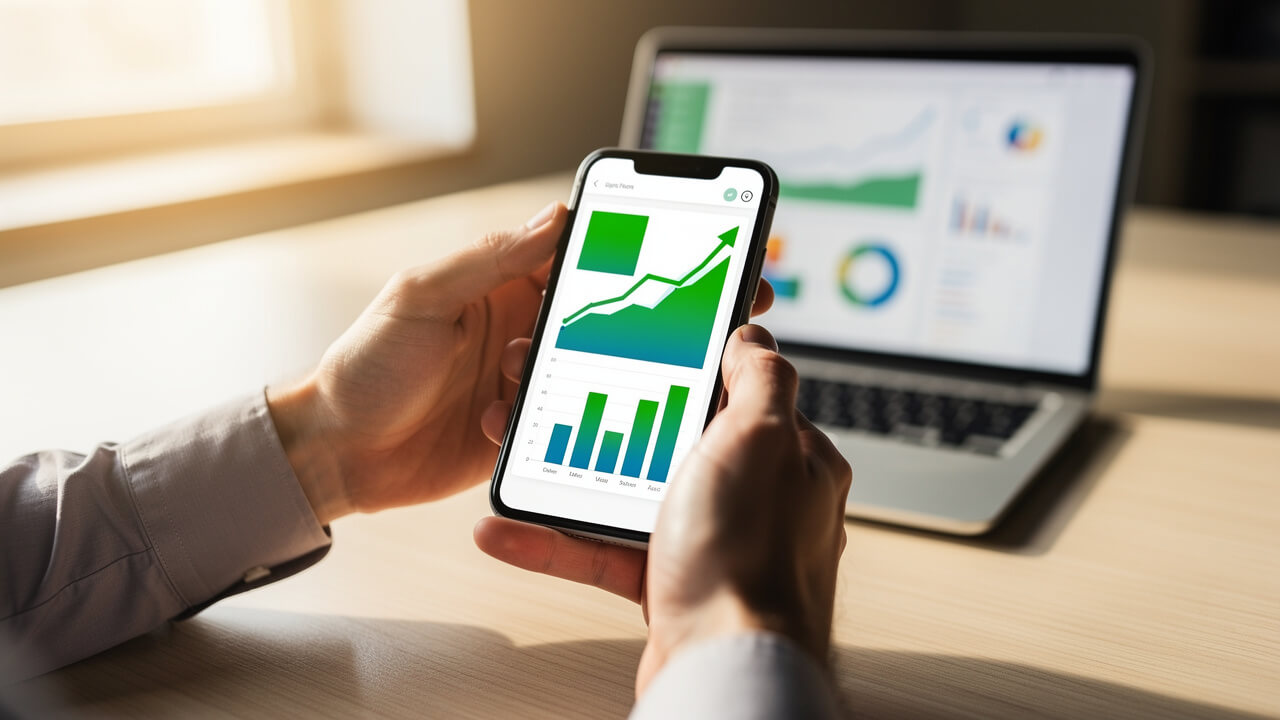
Good geo-fencing is data driven. To judge whether your geo-fencing advertising services are paying off, you need to watch several key metrics and understand what they say about real-world behaviour.
“What gets measured gets managed.”
— Peter Drucker
Some of the most important metrics to track are:
Impressions and click-through rate (CTR). Impressions show how many times your ads appeared for people inside your fences. Google Ads metrics shows what share of those people cared enough to tap and learn more. If clicks are low, it can mean the creative is weak, the offer is not clear, or the fence is catching the wrong crowd.
Conversions and cost per conversion. A conversion is any action that matters to your business, such as a form fill, quote request, or tracked phone call from the ad. Cost per conversion tells you how much you paid for each of those actions. Over time, this becomes one of the clearest signs that your geo-fencing spend is working or needs a rethink. Businesses that track cost per conversion from the first month of a geo-fencing campaign reduce wasted ad spend by an average of 25% within 90 days, simply by eliminating underperforming fence locations.
View-through conversions. Some people see an ad, remember the name, and search for your business later instead of clicking right away. When that visit leads to a quote request or call, view-through tracking links it back to the earlier ad exposure. This shows the branding impact of geo-fencing advertising services, not just the last click.
Conversion zone tracking. This connects digital ads back to your door. By adding a fence around your own office, yard, or showroom, the platform can count how many devices that saw your ads in target zones later showed up on your site. That link between ad spend and foot traffic is powerful for service and industrial companies that still win a lot of work face to face.
The final piece is interpretation. Numbers on their own do not fix campaigns. A partner such as Cutting Edge Digital Marketing reviews the data, adjusts fences, tests new creative, and aligns geo-fencing with your overall lead generation targets so performance keeps improving instead of going stale.
Conclusion
When used properly, geo-fencing advertising services give Alberta businesses something traditional ads rarely do. They reach the right people, in the right place, at the exact moment when intent is highest. Instead of paying to chase everyone in a broad region, you focus on buyers standing in competitor yards, trade shows, industrial parks, and high-value neighbourhoods.
This approach fits especially well with construction, trades, and industrial sectors where geography shapes nearly every buying decision. The strongest results come when geo-fencing is not run in isolation but tied into a complete digital system that includes a fast, professional website, strong SEO, and well-managed paid ads across search and social.
Cutting Edge Digital Marketing works as a strategic partner for established Alberta companies that want marketing tied directly to revenue growth. We design custom geo-fencing advertising services, set up clean tracking, and fold the data back into long-term strategy. If it is time to stop wasting ad spend and start driving steady, qualified leads, reach out to our team and explore how geo-fencing can support your broader growth plan.
FAQs
How Much Does Geo-Fencing Advertising Cost In Canada?
Costs for geo-fencing advertising services depend on how many fences you run, how large they are, how long the campaign runs, and how complex the targeting is. Because the targeting is tight, even modest budgets can work when strategy is strong. Many Alberta businesses that invest between 2,000 and 10,000 dollars per month in marketing can set aside a portion for effective geo-fencing.
What Is The Difference Between Geo-Fencing And Geotargeting?
Geo-fencing focuses on small, custom areas and triggers ads when someone physically enters or exits that zone. Geotargeting covers bigger areas such as cities or postal codes and shows ads to anyone inside those broad regions. For high-intent lead generation, geo-fencing advertising services usually perform better because they focus on real behaviour, not just where someone lives.
How Long Does It Take To See Results From Geo-Fencing Advertising?
Most businesses start seeing impressions and clicks from geo-fencing advertising services within a few days of launch. To judge real performance, it is wise to look at conversion data over the first one to two months, since volume and sales cycles vary by industry. As the campaign runs, ongoing testing and refinement usually improve results over time.
Is Geo-Fencing Advertising Effective For B2B Companies In Alberta?
Yes, geo-fencing can be very effective for B2B companies across Alberta, especially in industrial, oil and gas, construction, and equipment sectors. You can fence head offices, fabrication shops, plants, and logistics hubs that your ideal buyers visit often. With the right strategy, geo-fencing advertising services put your brand directly in front of engineers, procurement teams, and operations leaders while they are at work.