
Most Facebook ad accounts we review share the same issue. The ads look fine, the offer is solid, but facebook ads audience targeting is so broad or random that the budget burns with very little to show for it. It feels like standing on a highway waving a sign, hoping the right driver happens to notice.
With more than three billion users on Meta’s platforms, reach is not the problem. The real problem is how easy it is to show ads to people who will never become customers. For an owner or general manager who has to justify every marketing dollar, guessing at targeting gets expensive very fast.
We see this regularly with industrial, construction, and service-based companies. Campaigns work at a small scale, then stall. Costs creep up, lead quality drops, and every attempt to expand makes things worse. The cause is rarely “the algorithm” alone. It sits in how audiences are built, sequenced, and scaled.
This article walks through a practical framework for facebook ads audience targeting built for real-world businesses. You will see how Core Audiences, Custom Audiences, Lookalike Audiences, and Meta Advantage+ work together, how to test them without gambling the budget, and how Cutting Edge Digital Marketing applies these ideas for long sales cycles, field work, and high-value leads.
By the end, you should know how to move from guessing at audiences to running a structured system that finds, warms up, and converts the right people, with clear numbers that guide when and how to scale.
Key Takeaways
Profitable facebook ads audience targeting rests on three audience types that work together: Core Audiences find new people, Custom Audiences re-engage people who already know the brand, and Lookalike Audiences reach new but similar prospects at scale. Strong accounts use all three, not just one favorite setting.
Lead generation campaigns need sharper audiences and tighter measurement than simple awareness efforts. When the goal is form fills or phone calls, targeting must match intent, offer, and sales process, instead of chasing broad reach.
Starting with slightly broader audiences and then refining based on data usually beats hyper-narrow targeting from day one. Let Meta show ads, watch who responds, then adjust age, locations, and interests over time so the system can learn while still staying pointed at the right people.
Testing audiences with clear structures and simple comparisons is the only reliable way to scale without wrecking performance. Compare audience types side by side, track key numbers, and move budget into winners instead of jumping between random ideas.
First-party data and automation now play a major role. Pixel data, customer lists, and Advantage+ audiences help Meta learn who converts and find more people like them. When that data sits on top of good tracking and strong creative, campaigns can reach a higher level of performance.
Understanding The Three Core Facebook Audience Types

Every facebook ads audience targeting plan starts with the same building blocks. Meta groups audiences into three main types: Core Audiences, Custom Audiences, and Lookalike Audiences. Knowing what each one does, and when to use it, keeps campaigns from turning into a messy collection of random options.
Core Audiences use Meta’s own data: location, age, gender, interests, and behaviors. They are ideal for reaching new people who fit the general profile of your ideal customer but may not know your brand yet.
Custom Audiences use your own data: website visitors, customer lists, and social engagers. These people already have some awareness and usually sit in the middle or bottom of the funnel.
Lookalike Audiences use a strong Custom Audience as a source. Meta looks at the traits of that group and finds new people who resemble them, giving a way to scale while holding onto relevance.
“Don’t find customers for your products, find products for your customers.” — Seth Godin
Awareness campaigns often lean on Core and broader Lookalikes. Conversion and lead generation campaigns rely more on Custom and tighter Lookalikes. Retention and upsell work lives mostly inside Custom Audiences. The more clearly each campaign’s goal matches an audience type, the more stable the results.
Core Audiences – Leveraging Demographics, Interests, And Behaviors

Core Audiences are usually where advertisers first touch facebook ads audience targeting. These are the familiar settings: location, age, gender, interests, and behaviors.
Meta collects data from user profiles (age, gender, city) and from what people do on the platform: pages they follow, posts they react to, videos they watch, ads they click, devices they use, and some purchase activity—though a New Study Reveals Why Facebook Ads Can Miss Target, showing that interest-based targeting can sometimes capture unintended audiences based on passive behaviors rather than active intent. Those signals are grouped into categories that advertisers can mix and match.
Demographics are the starting point. For local and regional businesses, location and age often matter more than anything else. A mechanical contractor in Calgary does not need to reach every person in Canada; they might only need owners and managers in specific cities or industrial zones. Extra demographic filters, such as job title or company size, can refine that group, but only if they connect to the person who signs agreements or books work.
Interest targeting focuses on what people care about. Rather than only using broad groups like “business,” it pays to search for specific topics, tools, or trade associations your buyers follow. An equipment rental company, for example, might target people interested in certain equipment brands, project management tools, or construction magazines.
Behavior targeting looks at actions instead of preferences. Segments such as “engaged shoppers,” frequent travelers, or people who regularly interact with ads can be useful filters. Service businesses can also use behavior filters related to device type or travel to avoid people outside their service area.
The biggest mistake with Core Audiences is over-narrow targeting. Advertisers keep stacking demographics, interests, and behaviors until the audience shrinks to a few thousand people. Meta then has no room to test and learn, costs rise, and results look random. It is usually better to pick a few meaningful filters, gather data, and refine from there.
Identifying Your Ideal Customer Profile For Targeting
Strong Core Audiences start before Ads Manager ever opens. They start with a clear picture of your ideal customer and how that person shows up on Meta. If that picture is based on wishful thinking instead of actual buyers, every part of facebook ads audience targeting drifts off course.
A practical approach:
List your best current customers. Note their job titles, company size, regions, and the problems that led them to you.
Ask where those people might spend time on Facebook and Instagram. Which pages, trade groups, or local communities would they join or follow.
Compare that picture with data from your CRM and Meta Business Suite (age, location, interests of current followers) to cross-check assumptions, using tools like Audience Insights: interactive Facebook analytics to understand demographic patterns and behaviors of your existing audience.
Service-based and industrial companies should also think about influencers versus decision-makers. A tradesperson might discover the brand on Instagram, while a general manager approves the contract months later. In that case, separate audiences for each role at different funnel stages usually work better than a single catch-all group.
Custom Audiences – Re-Engaging High-Value Prospects
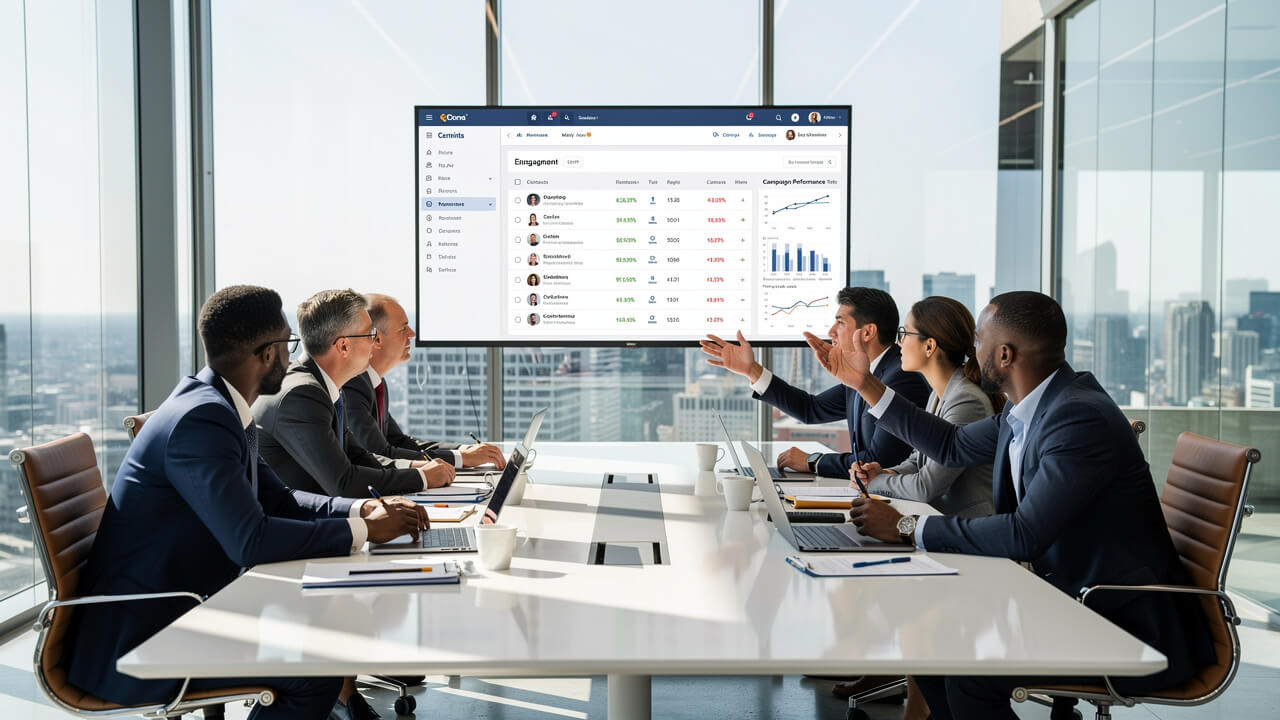
If Core Audiences are about finding the right strangers, Custom Audiences are about going back to the right familiar faces. For most accounts we manage, Custom Audiences deliver the best cost per lead or purchase, because these people already showed interest.
Five main sources power Custom Audiences:
Website traffic (Pixel data): Build audiences of visitors to key pages, people who started a form but did not submit, or users who spent time on high-value content. Retargeting visitors to project galleries or service pages often drives strong response.
Customer and lead lists: Export email addresses and phone numbers from your CRM, quoting system, or invoicing platform. Meta matches those details to user profiles. Segment by job type, project size, revenue, or recency to send more relevant messages.
Engagement on Facebook and Instagram: People who watched videos, sent messages, clicked links, or saved posts form warm pools between cold traffic and website visitors.
App activity: If you use a mobile app for bookings or account access, Meta can build audiences from in-app actions such as logins or repeat bookings.
Offline data: In-store purchases, signed contracts, or phone orders can be uploaded so people who buy through other channels still improve your targeting.
Exclusion rules are just as important as inclusion. If someone already converted, there is usually no need to keep showing top-of-funnel lead ads. Excluding recent purchasers or current customers from prospecting campaigns protects budget, keeps frequency under control, and prevents annoying good clients with irrelevant offers.
Advanced Retargeting Strategies That Drive Conversions
Basic retargeting (one ad to all website visitors) is better than nothing, but more refined setups often raise conversion rates without extra budget.
Time windows are a simple upgrade. Recent visitors, such as those from the last seven days, are usually more likely to act than people from ninety days ago. Creating separate audiences for seven, fourteen, and thirty days lets you adjust bids and messages as urgency fades.
Behavior-based retargeting adds more precision. Someone who viewed a general services page is not as warm as a person who hit a quote form or pricing page and then left. Building specific audiences for form starters, cart abandoners, or visitors to high-intent pages allows ads to speak directly to what might be holding them back.
Sequential messaging ties it together. Instead of hammering the same ad, plan a short sequence: proof and case studies first, specific benefits second, and a clear offer (consultation, site visit, demo) third. With reasonable frequency caps across Facebook, Instagram, and Messenger, these sequences can turn Custom Audiences into reliable conversion engines.
Lookalike Audiences – Scaling Beyond Your Existing Customer Base

Once Custom Audiences perform well, Lookalike Audiences help find more people who resemble your best segments. They extend what already works with known users out to the wider Meta network.
Lookalike Audiences start with a source, usually a Custom Audience of past converters, high-value customers, or very engaged visitors. Meta reviews hundreds of data points from that group—demographics, interests, devices, purchase patterns—and then searches for other users who share those traits. You choose how closely they should match the source through percentage sliders.
Source quality matters more than size. While Meta needs at least one hundred people in a single country, we often see the best balance between one and five thousand high-quality users. For a construction or oilfield services company, that might mean a Custom Audience of completed projects, long-term contracts, or qualified form leads, not all website visitors.
Audience percentage controls reach versus similarity. A one percent Lookalike matches the source group as closely as possible within a country; great for tighter performance goals and smaller budgets. As you move to three, five, or ten percent, the audience grows and loosens, which can help at higher spends or for awareness but may raise cost per lead. Many accounts run several Lookalikes side by side and let data decide which trade-off works best.
Geography adds another lever. Single-country Lookalikes work well when budgets and operations focus on that region. For Western Canadian firms, a Canada-only Lookalike often beats a broad North American one. Over time, refreshing or rebuilding Lookalikes from more recent and higher-quality sources keeps them aligned with where the business is now.
Selecting The Best Source Audiences For Lookalikes
Not every Custom Audience should become a Lookalike source. The strongest options come from people who completed valuable actions, not just casual engagement.
Purchase events, closed deals, and qualified leads from your CRM give Meta a clear picture of who drives revenue.
Value-based sources that include purchase values help Meta find prospects who are more likely to sign larger contracts or higher-margin work.
For many industrial clients, a Lookalike built from repeat project customers beats one built from all leads.
Recency matters as well. A Lookalike based on customers from the last six to twelve months usually lines up better with current services and markets than one based on very old data. Service businesses with long sales cycles can still use customer lists, but it helps to filter for the types of deals the company wants more of today.
Meta Advantage+ Audiences – When To Embrace Automation
Meta Advantage+ audiences change how many advertisers think about facebook ads audience targeting. Instead of manually choosing every detail, you set a goal and give Meta room to find the right people across its network.
With Advantage+, Meta uses conversion history, Pixel data, and patterns from previous ad interactions to decide who should see an ad. You can add “audience suggestions” based on demographics, interests, or Custom and Lookalike Audiences. Meta uses those as hints, then expands beyond them if the system predicts better results.
Automation works best when there is solid data to learn from. If you have a history of tracked leads or purchases, a Pixel that fires correctly, and enough daily events, Advantage+ often finds pockets of performance that manual targeting would miss, especially at higher budgets.
There are still times when manual control makes more sense: highly regulated industries, very tight local service areas, or offers aimed at specific job roles. In those cases, run parallel campaigns—one with Advantage+ and one with well-built Core or Lookalike Audiences—and compare results over several weeks rather than guessing.
Strategic Testing – Finding Your Winning Audience Combinations

No matter how polished a plan looks, real performance decides what stays and what goes. Structured testing sits at the center of profitable facebook ads audience targeting. Without it, changes feel random, and good ideas may get cut before they have a chance to prove themselves.
Good testing starts with clear questions, such as “Do Lookalike Audiences based on converters beat interest-based Core Audiences for cost per qualified lead” or “Does Advantage+ bring better qualified leads than our current manual setup.” Each test focuses on one main variable so you can read the outcome.
“Experimentation is the least arrogant way to learn what works.” — Avinash Kaushik
Meta’s system needs a certain number of conversions before results settle down. Aiming for at least fifty optimization events per test group is a useful rule of thumb, which usually means planning for a couple of weeks of activity with enough budget.
When we evaluate audiences, we look beyond cost per lead. Lead quality, close rate, deal size, and customer lifetime value paint a much clearer picture. A slightly higher cost per lead from an audience that produces double the revenue is a win, not a problem. Over time, document findings in a simple log so testing turns from a string of one-off experiments into a growing playbook for your business.
Setting Up Your First Audience Test Campaign
Your first audience test does not need to be complex. Start with a clear goal—such as qualified leads for a specific service—and one strong offer.
Create a campaign with one objective and a single set of ads that all use the same creative and landing page.
Inside that campaign, build three or four ad sets, each with a different audience type. For example:
A Core Audience based on demographics and interests
A one percent Lookalike from recent converters
A Custom Audience of engaged video viewers
An Advantage+ audience (if your data supports it)
Give each ad set a similar daily budget and plan to run the test for at least seven to fourteen days. Avoid constant tweaks during the learning phase unless results are truly unsustainable.
Track results in a simple spreadsheet: impressions, cost per lead, number of qualified leads, and feedback from your sales team. After the test, pause clear losers, keep the winners, and raise budgets on top performers with moderate steps instead of sudden jumps.
Determining The Right Audience Size For Your Goals
There is no magic audience size for facebook ads audience targeting. The right size depends on campaign objective, budget, sales process, and how broad your market is.
Awareness campaigns aimed at spreading a brand across a province or country benefit from larger audiences. It is normal to see audiences in the millions when targeting broad demographics or higher-percentage Lookalikes. The goal here is cost-effective reach and impressions, not immediate leads.
Conversion campaigns need more balance. For many moderate budgets, starting with audiences in the hundreds of thousands works well: large enough for the algorithm to find pockets of performance, but still focused. Retargeting audiences—recent website visitors or past leads—will be smaller. That is fine, as long as frequency stays reasonable.
Budget plays a direct role. A small daily budget spread across a huge audience will not gather many impressions or conversions in any one pocket. A very narrow audience with a large budget can lead to high frequency, ad fatigue, and rising costs. Ads Manager’s estimated reach tools help judge whether a planned audience and budget pair make sense before launch.
For niche industrial and service businesses, the available audience may be small by definition. There might only be a few thousand decision-makers in the region. In that case, focus on reaching the right people often enough with the right message, rather than chasing a specific audience size.
Integrating Audience Targeting With Overall Campaign Strategy
Audience targeting never stands alone. It lives inside a bigger system that includes creative, offers, landing pages, tracking, and the sales team’s follow-up. Even the best facebook ads audience targeting cannot rescue an offer that does not resonate or a page that frustrates visitors.
Relevance between audience and creative is critical. If you target project managers in construction but show generic consumer-style ads, results will disappoint. Ads that show real job sites and speak to pain points such as downtime, safety, or scheduling tend to draw the right clicks. When audience and message line up, Meta’s algorithm has a much easier time finding more of the same people.
“The consumer isn’t a moron; she is your wife.” — David Ogilvy
Funnel stage also matters. Cold audiences (broad Core or Lookalike groups) usually see educational or proof-based content first. Warm audiences in Custom Audiences might see offer-driven ads with stronger calls to action. Hot audiences, like repeat visitors or form starters, can handle direct messages focused on booking a call or requesting a quote.
Website performance and tracking support everything. A fast, clear landing page that matches the ad and makes it easy to convert multiplies the value of good targeting. Proper Pixel setup and clean event tracking feed data back into Meta so that features like Advantage+ and value-based Lookalikes work correctly.
At Cutting Edge Digital Marketing, we rarely treat facebook ads audience targeting as a stand-alone task. We fold it into a full lead generation system that often includes Google Ads, SEO, and email follow-up, all pointed at the same revenue goals.
Common Audience Targeting Mistakes And How To Avoid Them
Even smart teams fall into similar traps with facebook ads audience targeting. Watching for these patterns can save a lot of spend and frustration.
Over-narrow audiences: Stacking too many filters (small region, tight age band, several interests, plus behaviors) leaves Meta almost no room to explore. Results bounce around and costs climb. Removing weaker filters often helps quickly.
Skipping exclusion rules: If recent customers or current leads see the same top-of-funnel ads as cold prospects, budget stretches thin and frequency spikes. Simple exclusion lists for recent buyers, booked leads, and internal staff keep campaigns focused.
Very small Custom Audiences: Retargeting groups with only a few hundred users can work briefly, but results jump and fatigue hits fast. Widen time windows, combine similar behaviors, or run shorter bursts instead of always-on.
Stale customer lists: Lists that have not been refreshed in a year likely contain people who changed jobs or no longer fit. Regularly updating Custom Audiences with fresh CRM exports keeps targeting closer to reality and improves Lookalike sources.
Audience overlap between ad sets: When several ad sets hit the same users, Meta chooses winners and losers in ways that are hard to predict. Use Ads Manager’s overlap tools, consolidate similar groups, and run fewer, stronger ad sets.
Relying only on interest targeting: Interests help at the start, but first-party data from Custom and Lookalike Audiences adds precision and scale interest targeting alone rarely matches.
Misreading Advantage+ behavior or giving up too quickly: Some offers or audiences need more time and data, especially when Advantage+ and Lookalikes depend on conversion history. At the same time, Advantage+ will not obey strict rules about who sees ads, so expectations need to match how the system actually behaves.
How Cutting Edge Digital Marketing Prevents These Pitfalls
At Cutting Edge Digital Marketing, we start with deep audience research before a single ad goes live. That includes interviews with the client team, CRM reviews, and checks of Meta’s own insights. By launch, we know who we want to reach, how they behave online, and which audience types are most likely to connect.
We also put strong tracking foundations in place. Pixel events, offline conversions when needed, and clean lead tracking into the CRM make it possible to tie ad spend to revenue. This allows us to build Custom and Lookalike Audiences that reflect real buyers, not just clicks. With industrial and service-based businesses across Alberta and Western Canada, past experience helps us skip a lot of guesswork.
From there, we run continuous, structured tests rather than random tweaks. Budgets move toward the audiences and campaigns that bring high-quality leads, not just vanity metrics. We advise on how much to invest at each funnel stage and across channels, so facebook ads audience targeting sits inside a complete growth plan instead of a disconnected effort.
Conclusion
Profitable facebook ads audience targeting does not come from a hidden setting. It comes from understanding how Core, Custom, and Lookalike Audiences work, and combining them in a way that matches real business goals. Core Audiences help find new people, Custom Audiences bring back those who already showed interest, and Lookalike Audiences push reach wider without losing relevance.
The pattern that works again and again is simple: start with audiences broad enough to let Meta learn, watch the data closely, refine based on who actually converts, then test new variations one at a time. This steady approach beats wild swings and guesswork, especially when every lead matters.
Audience work also has to connect with strong creative, clear landing pages, accurate tracking, and a sales process that follows up quickly. When all of that lines up, Facebook and Instagram shift from a source of random inquiries to a consistent engine of qualified opportunities. For owners and managers who do not want to live in Ads Manager, a partner like Cutting Edge Digital Marketing can handle the details while keeping the focus on revenue and capacity.
FAQs
What Is The Best Audience Size For Facebook Ads?
There is no single best audience size for every campaign. The right range depends on goals, budget, and how broad your market is. For many conversion campaigns with moderate budgets, audiences in the low hundreds of thousands up to around a million people are a practical starting point. Niche markets and retargeting groups will be much smaller and can still perform well. What matters most is that Meta receives enough conversions to optimize, so it is wise to test several audience sizes and judge based on real results.
Should I Use Advantage+ Audiences Or Manual Targeting?
Both Advantage+ audiences and manual targeting have a place. Advantage+ works best when you have a history of tracked conversions and a healthy flow of Pixel data, because the system needs that information to spot patterns. Manual targeting is helpful when you need strict control, such as very narrow regions or sensitive industries. A good approach is to run both styles in separate campaigns for a while and compare. Many accounts use Advantage+ for prospecting while manual audiences handle retargeting and very specific segments.
How Many Custom Audiences Should I Create?
More Custom Audiences are not always better. It is smarter to start with a few high-value groups and expand over time. Common starting points are:
All website visitors from the last thirty days
A customer or lead list from your CRM
People who engaged with your Facebook or Instagram content
From there, you can add behavior-based groups such as form starters or visitors to key service pages. Each audience should be large enough for Meta to optimize, usually at least a thousand people, so avoid slicing groups so thin that they lose power.
How Long Should I Wait Before Changing My Audience Targeting?
Meta’s system needs a certain number of optimization events to learn, often around fifty per ad set, before results settle down. In practice, this usually means leaving a new audience or campaign in place for seven to fourteen days with enough budget to gather data. Avoid constant tweaks during this period unless results are truly unsustainable. Once the learning phase passes, judge performance based on trends over several days, not single-day swings, so decisions rest on solid numbers instead of noise.
Can I Target My Competitors’ Customers On Facebook?
You cannot directly target a specific competitor’s followers on Meta; there is no option to pick another company’s page and show ads only to their fans. However, you can reach similar people in other ways. Interest targeting often includes major brand names or industry topics that your competitors’ customers may follow. Lookalike Audiences built from your own best customers also tend to resemble buyers who might otherwise choose competitors. In practice, it is more effective to focus on the problems those customers face and the outcomes they want, rather than on the competitor brands themselves.