Imagine opening your ad account on Monday morning and seeing thousands of dollars gone, with very little to show for it. Clicks happened, impressions happened, but which ad, which call to action, or which audience actually brought in qualified leads stays a mystery. That is what running campaigns without A/B testing for digital ads feels like.
Key Takeaways
Split testing compares two versions of a single ad element at the same time so data, not opinion, decides the winner.
Headlines, calls to action, ad copy, images, and landing page buttons deliver the biggest lift when tested first.
A repeatable six-step process — goal, variation, timeline, simultaneous launch, analysis, implementation — keeps results reliable and actionable.
Every winning insight should be applied across channels and audience segments to multiply its impact on cost per lead and return on ad spend.
Businesses spending $2,000–$10,000 or more per month on ads can see compounding gains when this kind of structured testing is built into ongoing campaign management.
Split testing is a simple idea with big impact. You run two versions of one thing at the same time, such as two headlines or two calls to action, and you let the numbers show which one wins. This works on Google Ads, Meta Ads, LinkedIn, Microsoft Ads, landing pages, and even email campaigns, and it turns opinion-based marketing into data-based marketing.
For established service, trades, and industrial companies across Alberta and Western Canada that are investing real money into ads, guessing is expensive. Structured ad testing should be part of normal operations, not an experiment you try once and forget. In this article, you will see what to test, how to run proper tests, and how to turn every result into better lead quality and better return on ad spend, with a clear view of how Cutting Edge Digital Marketing builds this into a long-term growth system.
“Without data, you’re just another person with an opinion.” — W. Edwards Deming
What Is A/B Testing For Digital Ads And Why Does It Matter?
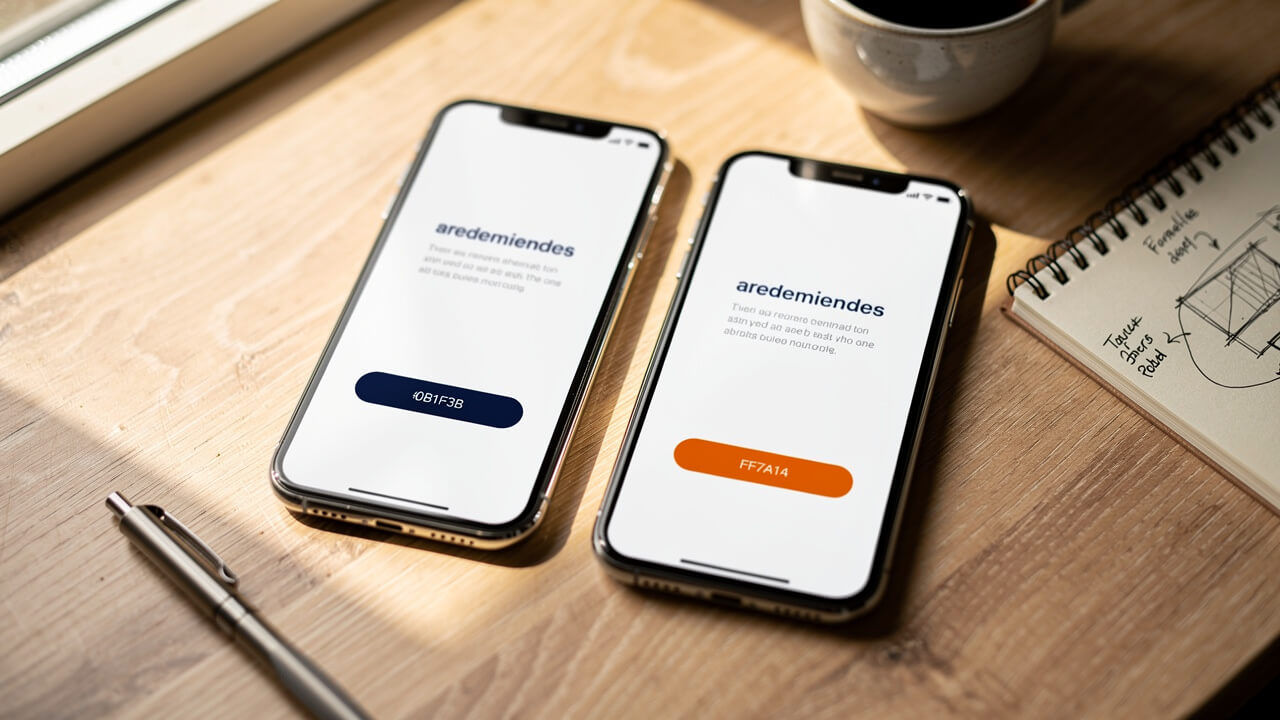
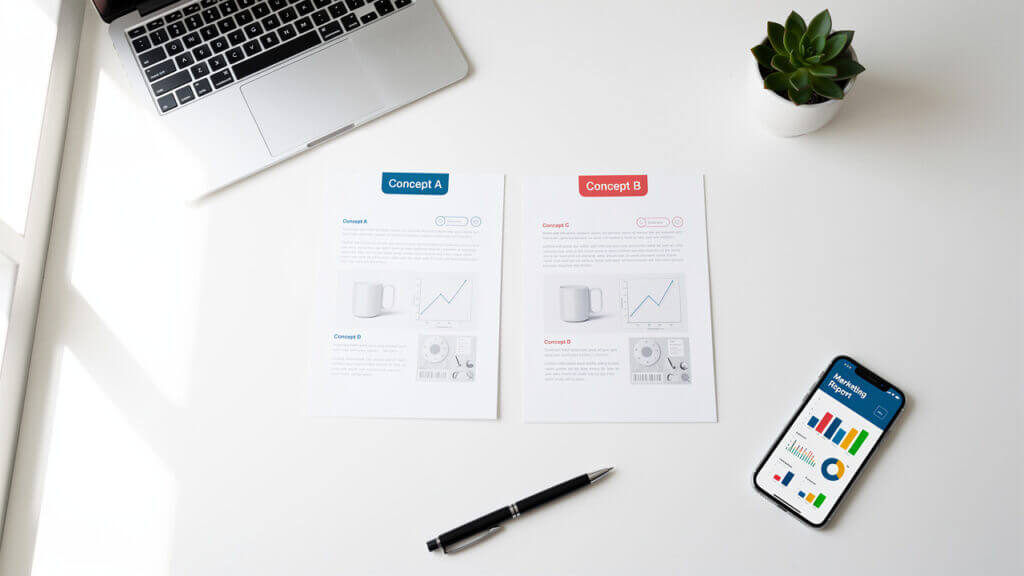
A/B testing for digital ads compares two versions of a single element to see which one performs better. Version A is the control, which is what you are already running. Version B is the challenger, where you change only one thing. Both versions run at the same time and show to similar audiences so that the results are fair and useful. According to HubSpot, companies that run regular split tests on their paid campaigns report conversion rate improvements of 20–30% compared to those that do not test at all.
For example, think about a construction or mechanical contractor that relies on quote requests from its website. One ad or landing page button says “Request a Quote” and another says “Get Your Free Estimate”. Everything else stays the same. This kind of controlled experiment will tell you which button brings more form submissions at a lower cost per lead, or a higher return on ad spend (ROAS), instead of guessing based on personal preference.
This is different from multivariate testing, where many elements change at once and different combinations run against each other. Multivariate testing needs a lot of traffic and large budgets before the numbers mean anything. For most Alberta service and industrial businesses, this focused approach is far more practical because it isolates one change at a time and works well with normal traffic levels.
You can run this type of ad testing on almost any channel, including:
Google Ads search campaigns
Meta Ads for Facebook and Instagram
LinkedIn Ads for B2B audiences
Microsoft Ads
Landing pages and forms
Email subject lines and key email content
The real value is simple: systematic split testing removes guesswork and replaces it with hard data from the people who already interact with your brand. Industry research from Nielsen Norman Group shows that even small copy changes — a single word in a headline — can shift click-through rates by 10–15% in competitive paid search environments.
What Should You A/B Test In Your Digital Ad Campaigns?
Digital ad campaigns offer dozens of testable elements, and choosing the right ones first is what separates campaigns that improve steadily from those that stagnate. Not every test has the same impact on leads or revenue. A smart plan focuses on elements that affect conversions and cost per lead, rather than small visual tweaks that nobody notices.
High-Impact Elements To Test First
Headlines and subheadings are usually the first place to start, because they decide whether someone stops scrolling or skips past the ad. A construction company might test a headline that focuses on “On Time, On Budget Projects” against one that pushes “24 or 48 Hour Turnaround on Quotes”. This kind of controlled comparison makes it clear which message fits what buyers care about most. Data from WordStream suggests that optimized headlines alone can lift Google Ads click-through rates by up to 25%.
Ad copy is the body text of the ad and also deserves early attention. This approach can compare a more direct, no-nonsense style with a warmer, more conversational tone. It can also test different value points, such as safety records, warranty terms, or local expertise, to see which angle pulls more qualified leads.
Calls to action have a big impact on results, so they should always be part of the test list. Simple changes such as “Get My Free Quote”, “Book A Site Visit”, or “Talk To A Project Expert” can create very different response rates. Button colour, size, and placement on a landing page are also good targets for this type of testing. Research from VWO found that changing a single call-to-action button increased conversions by 32% in one B2B service campaign.
Images and visuals matter a lot in trades and industrial markets. One set of ads may use polished professional photos, while another uses real job site photos of crews and equipment. With careful ad testing, you can see which style builds more trust and leads to more form fills or phone calls.
Email subject lines belong in this high-impact group as well, especially when ad campaigns drive leads into email follow-up. Short versus long, with or without the company name, and different urgency levels can all be tested with the same disciplined mindset.
A key rule sits under all of this work: test one element at a time so you can clearly see what caused the lift or drop in performance.
To summarize, high-impact test ideas often include:
Headlines and subheadings
Main ad copy and key value points
Calls to action and button text
Images and video thumbnails
Email subject lines linked to your campaigns
How To Prioritize What You Test

The best paid ad testing programs start with data, not guesses. Look at account reports to find weak spots, such as:
High impressions with low click-through rate (CTR)
Many clicks with few leads
High cost per lead compared to your targets
All of these point to areas where tests can make a real difference.
From there, write a simple hypothesis for each idea. A statement such as “Changing the call to action from ‘Submit’ to ‘Get My Free Quote’ will increase form submissions because it promises a clear benefit” gives the test a purpose. Strong ad experiments always start with this kind of clear reasoning.
Next, rank each test idea by impact and effort:
Impact means how close the change is to revenue, such as leads, meetings, or quote requests.
Effort covers time, technical work, and any risk if the new version performs poorly.
Focus first on tests that are high impact and low effort, since they can quickly improve cash flow and build a culture of structured experimentation inside the business. Research from Econsultancy has shown that companies with a structured conversion optimisation program are twice as likely to see a large increase in sales compared to those without one, which matches what experienced marketers see in the industrial sector.
“If you cannot measure it, you cannot improve it.” — often attributed to Lord Kelvin
How To Run An A/B Test On Your Digital Ads Step By Step

A/B testing for digital ads only works when the process is clear and repeatable. Guessing at time frames or switching off tests too early leads to bad calls that hurt performance. A simple six-step method keeps things on track and gives decision makers real confidence in the numbers. Studies from Google’s own experiments team indicate that ending tests prematurely is the single most common cause of false positives, affecting up to 40% of poorly managed campaigns.
Define Your Goal And KPI
Start by naming the one main outcome that matters most right now. For many trades and industrial firms, that could be quote requests, booked consultations, or demo requests. Then pick the main metric that matches this outcome, such as conversion rate, cost per lead, cost per acquisition, or return on ad spend. This process should focus on these core metrics, not on surface numbers like clicks or impressions, unless the only purpose of the campaign is awareness.Create Your Two Variations
Version A is your current ad or page, and version B is the adjusted one. Change only one element between them so the result is clear. That might mean keeping the same image and audience while switching only the headline. Changing several things at once makes it impossible to know which change worked or failed, so discipline here is important.Set Your Timeline And Sample Size
Before you start, decide how long the test should run and how much traffic or how many conversions you need. As a general guide, most paid search practitioners recommend a minimum of 100 conversions per variation before drawing conclusions, and running the test for at least two full weeks to capture weekly behaviour patterns. Business traffic often looks different on weekends compared to weekdays, so this kind of planning ensures you do not stop a test early based on a random swing in the numbers.Run Both Versions At The Same Time
Launch both versions together so outside events affect them in the same way. Seasonal trends, industry news, or short-term price changes in your market can all shift results, so a fair experimental setup keeps timing equal. Split your budget or traffic fifty-fifty and keep the audience as similar as possible for both versions.Analyze Results With Care
When the planned time frame and volume are met, look at the data for your main metric. If version B shows a clear and steady gain over version A, and the change fits what you expected, then the test has done its job. If the numbers are almost the same, that result is still useful, because it helps you avoid wasting more time on small ideas that do not move the needle.Implement The Winner And Keep Testing
Turn the winning version into your new standard and pause the loser. Record what you tested, what you saw, and what you learned, then pick the next idea from your priority list. This works best as a steady cycle where each test builds on the last one. Over time, those small gains stack into big improvements in lead flow and revenue.
How To Turn A/B Test Results Into Maximum ROI

Translating split test insights into maximum ROI requires applying every winning discovery across your entire marketing program, not just inside a single campaign. Each win is a signal about how your market thinks and buys, and smart teams use those signals many times. According to MarketingSherpa, advertisers who systematically apply test winners across multiple channels report an average 18% reduction in cost per lead within six months.
If a new call to action on one landing page lowers cost per lead, try that same call to action on other pages and in ads on different channels. In the same way, if a certain headline style wins in Google search ads, bring that style into Meta Ads and LinkedIn tests. Every strong result is worth testing again in other places, turning a single experiment into a program-wide performance upgrade.
Digging into audience segments is another step that pays off. You might find that one winning variation came mostly from mobile users, while desktop users preferred the old version. Mobile now accounts for over 60% of paid search clicks in most service industries, according to Statista, which makes device-level segmentation a critical layer of any serious testing program. Or new visitors might react better to proof-focused copy, while past visitors prefer shorter and more direct offers. This type of review turns structured ad testing into a tool for smarter audience targeting and media planning.
Some of the best gains come from testing audiences themselves rather than only creative pieces. You can compare a lookalike audience made from past customers with an interest-based audience that targets job titles or industries. You can also set up experiments between first-party lists from your CRM and third-party data. This approach shows which groups bring more conversions at a lower cost per lead and better return on ad spend.
To keep this all working, build a simple log of every test. Record the date, the hypothesis, the two versions, and the outcome. Over months and years this gives your team a clear record of what works for your market so you do not repeat weak tests. Many Alberta firms want this data-driven rigour but do not have time or in-house staff to run it.
This is where Cutting Edge Digital Marketing fits in. For established trades, industrial, and service-based companies spending two to ten thousand dollars a month or more on ads, we build structured split testing into every paid campaign. We set up proper tracking, manage Google Ads, Meta, LinkedIn, and Microsoft campaigns, design smart tests, and report back in plain language so you can see exactly how each change connects to qualified leads and revenue.
Conclusion

For any business that takes growth seriously, A/B testing for digital ads is not a nice extra, it is a base requirement. When every click costs money, relying on gut feel or guesswork is a fast way to waste budget and miss strong opportunities. A simple, steady program of split testing gives clear answers on which messages, offers, and audiences bring the right leads at the right cost.
The gains from this work do not arrive all at once. They build over time, as each test adds a little more performance and a little more clarity about what your buyers want. The hard part is that running ad experiments in a proper way takes time, focus, tracking tools, and strategic thinking, which most owners and general managers would rather put into operations and customers.
Cutting Edge Digital Marketing acts as that missing marketing partner. We set up the foundations, manage the day-to-day ad work, and keep structured testing running in the background, all while tying every decision back to leads and revenue. If it is time to turn your ad spend into a predictable growth engine instead of a monthly gamble, reach out to Cutting Edge Digital Marketing and see how a clear, data-based approach can support the next stage of your business.
FAQs
What Is The Difference Between A/B Testing And Multivariate Testing?
A/B testing for digital ads compares two versions of one element, such as two headlines or two images, while keeping everything else the same. Multivariate testing changes several elements at once and looks at many combinations, which needs far more traffic and larger budgets, so the split-test approach is usually the better fit for most campaigns.
How Long Should I Run An A/B Test On My Digital Ads?
Run your ad test until each version has enough data to give a clear picture — most practitioners recommend at least 100 conversions per variation when that volume is possible. Try to cover full weeks so normal business patterns show up, and avoid stopping early just because one version looks ahead after a day or two.
What Should I Do If My A/B Test Results Are Inconclusive?
If your ad experiment shows very similar results for both versions, it means that change did not have much impact on behaviour. Treat that as a useful answer, move on to a higher-impact idea such as a new offer or headline style, or sharpen your hypothesis and test a bolder change next time.
Can A/B Testing Hurt My Overall Ad Campaign Performance?
Split testing can hurt results for a short time if a new version performs much worse than your current control. To manage that risk, set a minimum performance level and keep a close eye on early numbers so that very weak versions can be paused quickly while stronger ones keep running and improving your overall account.