
Most ads feel like static on the radio. People hear them, tune them out, and move on. That is why so many brands now look for native advertising examples that do not shout “ad,” yet still earn real clicks and real leads.
Native advertising is simple at its core. It is paid content that looks and feels like the platform it lives on. A sponsored article on a news site, an in-feed post on Meta, a promoted product on an e-commerce page – all of these can be native when they match the style and tone of the surrounding content.
Click-through rate, or CTR, is the first clear signal that this approach works. When CTR improves, more of the right people move from seeing a message to visiting a site or landing page. For a business owner or marketing manager, higher CTR usually means lower cost per lead and more efficient ad spend.
Traditional banner ads suffer from banner blindness. People have learned where ads sit on a page and scroll past them without thinking. Native ads avoid that reflex. They sit in the middle of the experience, add value, and earn attention instead of begging for it.
In this article, we walk through 12 native advertising examples across B2B, e-commerce, nonprofits, and education. Each one shows a clear tactic that helped raise CTR and deepen engagement. By the end, you will have a set of practical ideas that a small local team or a large industrial firm can apply, plus a view into how we at Cutting Edge Digital Marketing build native campaigns that connect clicks to revenue.
“Nobody reads advertising. People read what interests them, and sometimes it’s an ad.” — Howard Gossage
Key Takeaways
Before we dig into the details, it helps to see the big picture of what makes these native advertising examples work so well. The points below give a fast summary that busy owners and managers can use as a quick reference while reading the rest of the article.
Native ads match the platform instead of fighting it. They match the look, tone, and format of the site or app. Studies show that content in this style on premium news sites earns far more trust and a clear bump in click-through rates compared with standard social ads.
The strongest campaigns lead with value, not product pushes. They educate, entertain, or tell a focused story first. Visual storytelling, scrollytelling, and interactive tools keep people engaged longer, which improves CTR and leads to more action.
Context and measurement matter as much as creative. Smart publisher choices create a “halo effect” from trusted brands, especially in B2B. Clear disclosure builds trust, while careful tracking and ongoing optimization help turn clicks into qualified leads and long-term return on ad spend.
What Is Native Advertising and Why Does It Boost CTR?
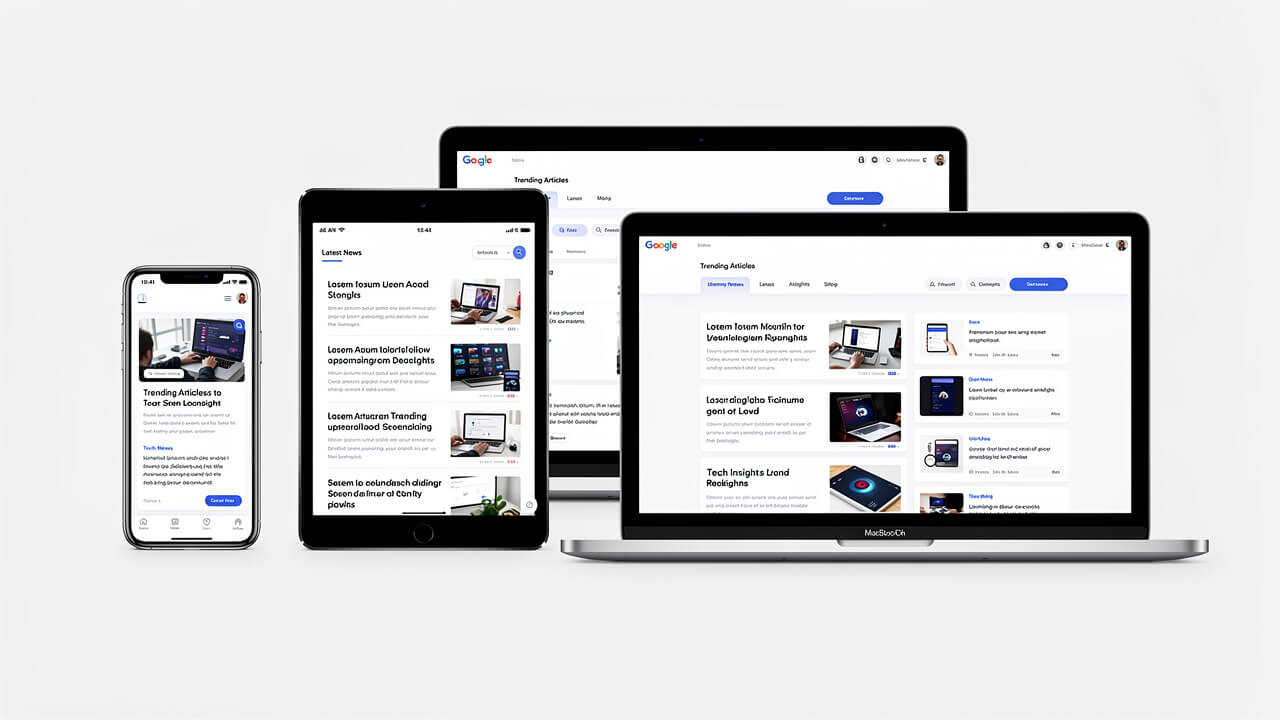
Native advertising is paid media that matches the form, feel, and function of the platform where it appears. Instead of sitting in a box at the side of a page, it sits inside the content feed, search results, or editorial stream. The ad still needs a clear label such as “Sponsored” or “Paid Content,” yet it reads like a natural part of the experience.
The idea is not new. Early radio shows funded by soap brands, and later “advertorials” in magazines, followed the same pattern. They blended story and sponsor in a way that kept people listening or reading. The digital version takes that same idea and applies it to articles, videos, podcasts, carousels, and interactive pages.
Native ads boost CTR because they work with the way people browse. Most users now skip anything that looks like a classic banner. This habit, often called banner blindness, means a standard display ad can show thousands of times and still get very few clicks. When an ad looks like a useful article, guide, or story, people slow down and give it a fair chance.
There is also a strong trust factor. Independent studies have found that native content on premium publisher sites is more likely to be trusted, more likely to be clicked, and more likely to influence future purchases than similar ads on social platforms. The host site shares some of its reputation with the advertiser, as long as the content feels honest and helpful.
From a user experience view, native ads feel less like an interruption and more like part of a normal browsing session. Someone already reading business news might click a sponsored case study that answers a real question. Someone on Instagram might tap a sponsored post that looks like the creator content they already enjoy.
Regulators care about clarity, so the Federal Trade Commission (FTC) requires clear labels for this kind of content. When publishers follow those rules, brands get the benefit of higher CTR and engagement, while readers keep the ability to see where editorial stops and paid content begins.
The 5 Core Types of Native Advertising Formats

Not every native ad looks the same. Different goals and platforms call for different formats, and knowing the options helps you pick the right mix before you spend a dollar.
In-Feed And In-Content Ads
These appear right inside content streams. On social platforms like Facebook, Instagram, LinkedIn, and TikTok, they show up in the main feed with labels such as “Sponsored” or “Promoted.” On publisher sites, they can appear between paragraphs or at the end of an article. These formats are ideal when you want scale and fast testing of creative.Content Recommendation Units
These sit at the bottom or side of articles inside small widgets. They often show a mix of organic and sponsored links under headings like “You May Also Like.” Clicking sends the reader to another piece of content, often on an external site. This style works well for brands that use articles, guides, or quizzes to warm up prospects.Search Ads
These are the paid listings at the top of a search results page. They look almost like regular results, with a small label that marks them as ads. On Google or Bing, this is the backbone of search marketing. These ads are highly native to the search experience because they match intent at the exact moment someone asks a question.Promoted Listings
These appear on e-commerce and marketplace sites. A sponsored product might show up at the top of a results page on Amazon or in the middle of a category page on a rental or booking site. Since they look like normal product tiles, they are very effective for brands that want to boost visibility without redesigning the entire shopping experience.Branded Or Native Content
This takes the form of full articles, videos, podcasts, or interactive stories created with a publisher’s content studio. Think of a sponsored feature on a major news site that reads like a regular long-form piece but focuses on a sponsor’s topic. These campaigns cost more to produce yet often deliver strong engagement and brand lift when done well.
Choosing between these formats comes down to strategy. Some are better for awareness, some for direct response, and some for deep education. The key is to match the format to how the audience uses each platform and to how you plan to measure success.
Why Native Advertising Outperforms Traditional Digital Ads
Many brands feel pressure from rising ad costs and shrinking organic reach. Social platforms keep tightening the reach of unpaid posts. Search results add more paid units at the top. At the same time, people keep scrolling past display ads without a second glance. Native advertising steps into that gap with a more natural style of outreach.
One major edge is the “halo effect.” When an ad appears on a respected news site or industry publication, some of that publisher’s trust transfers to the advertiser. Readers see the brand as more credible and serious because it sits next to strong editorial content. For B2B firms and high-value purchases, this extra trust matters as much as the click itself.
Privacy changes also push more brands toward native formats. With third-party cookies fading out and data rules growing tighter, highly targeted display campaigns get harder to run. Native ads can rely more on context than on personal tracking. If someone reads an article about industrial safety, a sponsored piece on inspection services feels relevant without needing invasive data.
The user experience is another big reason native ads beat standard banners. In a good native campaign, the content is the ad. A helpful tax tips article from a tax firm, or an interactive safety quiz from an insurance provider, helps the reader while also promoting the brand. That is far more welcome than a flashing banner on the side of the page.
Publishers have noticed that native formats work better for them as well. Many now invest heavily in in-house content studios and interactive tools. Studies show that native ads can increase purchase intent compared with social ads by a meaningful margin. For marketers, this means native campaigns are not only good for CTR but also for downstream results such as leads, demos, and sales.
“If it doesn’t sell, it isn’t creative.” — David Ogilvy
12 Native Advertising Examples That Boost Click-Through Rates

With the basics in place, we can look at real native advertising examples that move the needle. These twelve cases span different industries, formats, and goals. Each one contains a tactic that a business in Alberta, across the US, or anywhere else can adapt to its own market.
1. Cutting Edge Digital Marketing’s Strategic Industry-Focused Content Partnerships

At Cutting Edge Digital Marketing, we work with industrial, construction, and service-based businesses that need more than generic ads. For these firms, we design native campaigns on industry news sites, local business publications, and Meta platforms, where the content speaks directly to site managers, operations leaders, and purchasing teams.
A typical campaign might:
Pair sponsored articles about safety standards or maintenance planning with highly focused in-feed ads that drive traffic into those pieces.
Use clear, benefit-driven headlines that mirror the language people use on the job.
Retarget engaged readers with follow-up ads that invite them to request a quote or schedule a walkthrough.
From there, visitors reach well-structured landing pages that match the message and guide them to request a quote or schedule a call. The key tactic here is tight alignment between native content, the click, and a conversion-focused website that speaks the language of the field.
2. Birkenstock & The New York Times T Brand Studio: “Ugly For a Reason” Documentary Series
Birkenstock wanted people to see it as more than a quirky sandal brand, so it partnered with The New York Times’ T Brand Studio. Together they produced a three-part documentary series that explored the science and history of feet, with insights from medical and fashion experts.
The content focused on health, comfort, and long-term foot care, while Birkenstock’s products sat quietly in the background. Readers and viewers came away seeing the company as an authority on foot well-being. The key lesson is that deep educational content can shift brand perception and drive engagement without heavy product pushing.
3. The Fred Hollows Foundation: Immersive Scrollytelling Experience For Preventable Blindness
The Fred Hollows Foundation in New Zealand used a dramatic scrollytelling page to show the impact of preventable blindness. When visitors first arrived, the screen went dark, and as they scrolled, a blurry image slowly came into focus.
This simple interaction allowed the audience to feel the problem before any statistics appeared. Only after that emotional hook did the page explain that most blindness cases in question did not have to happen and invite donations. By turning the scroll itself into part of the story, the campaign kept readers on the page and raised both CTR and completion rates.
4. Platinum Bank & American City Business Journals: “Off the Record” Podcast Series
Platinum Bank needed to reach senior business leaders, a group that often ignores standard ads. The bank teamed up with American City Business Journals to create Off the Record, a podcast series featuring open conversations with well-known executives.
Episodes focused on career decisions, leadership lessons, and local business challenges rather than financial products. The shows appeared as native content in the publisher’s channels and feeds, with the bank present as host and supporter. This format built familiarity and trust over time, warming up contacts before any direct outreach. The main tactic here is to use audio native content as a relationship builder in B2B markets.
5. National Marrow Donor Program (Be The Match) & N365: Targeted Hispanic Community Campaign
The National Marrow Donor Program, known as Be The Match, faced a shortage of Hispanic donors. Working with N365, the team created native articles that ran across Meta’s network and other placements commonly used by their target audience.
These pieces:
Told personal stories of patients waiting for matches.
Showed real faces and families instead of stock imagery.
Explained how cultural and family values connect to donation.
Strong calls to act now underlined how every day counts for people on the registry. Because the content spoke directly to the hopes and fears of one community, it drove many more clicks to the registration page than broad messaging could.
6. Macy’s & Refinery29: Shoppable Digital Lookbook With Scroll-Triggered Transitions
Macy’s and Refinery29 built a digital lookbook that felt more like a fashion feature than an ad. As readers scrolled, they saw full outfits on models in real-life settings. Smooth transitions then broke each look into individual items, each one linked to its product page on Macy’s site.
The design matched Refinery29’s bold visual style, so the content fit right into the site’s normal flow. People stayed longer, clicked deeper, and moved from inspiration to purchase in just a few taps. The core tactic is to blend editorial-style storytelling with clear, frictionless paths to shop.
7. Johnson & Johnson: Rwanda Health Partnership Visual Storytelling
Johnson & Johnson wanted to highlight its work with health partners in Rwanda, not by listing projects, but by showing real lives. The company sponsored an immersive article filled with strong photography of clinics, families, and community health workers.
Short narratives followed specific people through their days and showed how access to care had changed their outlook. The piece spent little time on the brand itself and more on the impact of the partnership. By the time readers reached the subtle call to learn more, they already felt connected to the story. This example shows how honest visual storytelling about social impact can deepen engagement and brand warmth.
8. Intact Insurance & National Post: Interactive Road Safety Quiz
Intact Insurance worked with the National Post’s content studio to launch an interactive road safety quiz. Instead of talking about coverage or claims, the quiz tested readers on everyday driving decisions, with playful questions and instant feedback.
At the end, each person saw a short profile based on their score, along with practical tips to stay safer on the road. Only then did the page invite visitors to learn more about the Intact mobile app and insurance options. This “value first, brand second” format kept completion rates high and raised click-through to the final call to action.
9. Intuit TurboTax & The Globe Content Studio: “Top Tax Tips” Expert Content Series
Intuit TurboTax wanted people to see it as more than a do-it-yourself tax tool. With The Globe Content Studio, the brand developed a sponsored series called Top Tax Tips. Each article focused on a specific topic such as small business expenses, family benefits, or retirement planning.
The content gave clear, practical steps readers could apply right away during the busy tax season. Within each piece, TurboTax appeared as the logical next step for those who wanted expert help. As a native campaign, this series met users at the moment of need and earned strong CTR by solving real problems.
10. DOVE & ELLE: “Livet Under Armen” (Life Under the Arm) Body Positivity Campaign
DOVE and ELLE partnered on a campaign with a title that translates to Life Under the Arm. The goal was to challenge shame around women’s underarms while promoting a new deodorant line.
The native content combined a powerful video featuring actress Bianca Kronlöf with a digital article that discussed body image and confidence. Rather than focus on ingredients or features, the piece invited readers into a wider conversation about self-acceptance. Comments and shares spread the message beyond the original placement. This example shows how aligning native content with an authentic brand mission can spark both emotional response and strong engagement numbers.
11. Monash Business School & BBC Storyworks: “Masters of Change” Interactive Content Series
Monash Business School worked with BBC Storyworks on a series called Masters of Change to attract future students. The campaign highlighted current students and researchers who were working on real-world problems, from sustainability to new business models.
Articles and an interactive infographic let visitors explore stories at their own pace, clicking into the people or themes that mattered to them. This approach painted the school as forward-looking and practical, without long program brochures. For prospective students and parents, the content felt like a window into campus life, which helped drive clicks to program information and inquiry forms.
12. Volkswagen: Extensive Digital Road Trip And Travel Guide
Volkswagen sponsored a long-form travel guide that doubled as a lifestyle magazine. Instead of listing engine specs, the content walked readers through scenic road trip routes, lesser known stops, and practical planning tips.
Beautiful photography made the idea of getting on the road very real. The cars themselves appeared naturally in the story as the way to reach those places, not the focus of every paragraph. By selling the feeling of freedom and exploration, this native piece nudged readers toward the brand while delivering clear value to anyone planning a trip. The lesson here is that strong lifestyle content can keep people engaged long enough for subtle product links to earn high CTR.
Best Practices For Creating High-CTR Native Advertising Campaigns

Looking across these native advertising examples, certain patterns show up again and again. High CTR is not an accident. It comes from careful planning, strong creative work, and clear follow-through on the click.
First, the content has to fit the host platform. That means more than using the right image size. It means matching tone, depth, and style so the piece feels natural in the feed or on the page. It also means choosing publishers whose audiences overlap strongly with the people a business wants to reach.
Second, remember that the ad is a promise and the click is a test. If the landing page or article feels thin, overblown, or off topic, people will bounce and CTR will not translate into results. A native campaign works best when the full path from impression to conversion tells one clear, consistent story.
From there, several practical guidelines help campaigns perform at a higher level:
Match The Publisher’s Tone And Style. Study headlines, image choices, and how complex the language is before writing a single line. Aim for content that feels like it could have been produced by the editorial team, while still carrying the brand message.
Put Value Ahead Of Sales Talk. Give readers real education, fresh insight, or a useful tool before asking for anything in return. When people feel helped, they are more willing to click, share, and move deeper into the funnel.
Invest In Strong Visual Content. High-quality photos, diagrams, short videos, and clean layouts all make a big difference. Visuals pull eyes into the page and keep attention long enough for the message to land.
Use Interactive Or Immersive Elements When They Fit. Scroll effects, quizzes, calculators, and simple interactive maps can turn a passive reader into an active participant. That added engagement often leads to higher CTR on secondary calls to action.
Choose Publishers And Platforms With Care. A smaller niche site that reaches the exact right buyers often beats a large general site with a broad audience. Think about where target customers already spend time and which brands they trust.
Make Disclosure Clear And Confident. Labels such as “Sponsored by” or “Paid Content” should be easy to see. Hiding them can hurt trust and may break rules, while honest labeling signals respect for the audience.
Track What Matters And Adjust. Use UTM links, platform pixels, and analytics tools to follow clicks through to leads or other actions. Compare performance across creatives, placements, and messages, and shift budget toward the combinations that deliver the strongest return.
When you follow these steps, native advertising stops being a gamble and becomes a repeatable way to reach new people with content they actually want to click.
How We Help Businesses Maximize Native Advertising ROI
At Cutting Edge Digital Marketing, we meet many owners and managers who know they need better ads but do not have time to learn every new format. Our role is to step in as a strategic partner and build a system where native advertising supports long-term growth rather than one-off spikes.
We start by learning the business in detail. For a construction firm, that might mean understanding bid cycles, safety concerns, and how site supervisors make decisions. For an equipment rental company, it might mean mapping how project managers search for options under tight deadlines. From there, we design native content that speaks to those real situations on the platforms they already use.
Our team then connects the dots between ad, content, and website. We build or refine landing pages so they load quickly, match the promise of the ad, and guide visitors to clear next steps such as quote requests, demo bookings, or phone calls. Strong tracking is baked in from day one, so we can see which publishers, headlines, and topics lead to high-quality leads instead of empty clicks.
For many clients, we also manage the relationships with publishers and advertising platforms. That includes planning placements, reviewing creative standards, and keeping campaigns in line with FTC and platform rules. Business leaders get reporting that links impressions and CTR to real outcomes, such as form fills, booked jobs, or revenue.
In short, we handle the heavy lifting of strategy, creative, setup, and optimization. Clients focus on running their operations while we turn native formats on Meta, Google, LinkedIn, and premium publishers into dependable sources of new business. When that system is in place, each additional campaign builds on a strong base rather than starting from scratch.
Conclusion
Native advertising has moved from a nice extra to a core part of high-performing ad programs. By matching the look and feel of the platforms people trust, it sidesteps banner blindness and earns more honest attention. Studies back this up, showing higher trust, better click-through rates, and stronger purchase intent compared with many traditional formats.
The twelve native advertising examples in this article cover everything from industrial B2B services to fashion, health, and education. While the details differ, the winning moves stay consistent. Each campaign leads with value, uses story and visuals to hold interest, and connects the click to a clear next step. Many also benefit from smart publisher choices that boost perceived authority.
For businesses across Western Canada and beyond, this is not just a theory exercise. It is a practical way to turn ad spend into more qualified visits and better leads. Success does not come from a single clever ad idea, but from a system that links native content, landing pages, and sales follow-up.
The next step is to identify where target customers already read, watch, and listen, then design content that would feel at home in those spaces. From there, careful testing and tracking can show which themes and formats work best. With the right strategy and support, native advertising can become a steady, measurable part of a broader marketing plan, not a one-time experiment.
FAQs
What Is The Difference Between Native Advertising And Content Marketing?
Native advertising is paid placement on someone else’s platform, while content marketing focuses on material published on channels a business owns. In native campaigns, you pay a publisher or platform to host your content and show it to their audience, with clear labels such as “Sponsored.” With content marketing, you publish blogs, videos, or guides on your own site, email list, or social profiles. The two approaches work well together, since native can introduce new people to the content that lives on owned channels.
How Much Does Native Advertising Cost?
Costs vary widely based on the publisher, format, and depth of production. A native article on a major national news site can cost far more than a sponsored post on a local industry blog. Brands also need to budget for creative work such as writing, design, or video, separate from placement fees. Some platforms charge by impressions, while others use a cost-per-click model. Rather than looking only at upfront price, we advise clients to watch cost per lead and customer lifetime value when judging success.
How Do I Measure Native Advertising Success?
Click-through rate is a useful starting point, since it shows how often people respond to a native ad. Beyond CTR, we look at time on page, scroll depth, and completion rates to see whether the content holds attention. Conversion tracking connects those clicks to form fills, calls, downloads, or sales. In some cases, brand lift studies or surveys help measure changes in awareness and perception. The most helpful view comes from combining publisher data, analytics tools, and sales records into one story about how native campaigns support business goals.
Do I Need Disclosure Labels On Native Ads?
Yes, clear labels are required and also good practice. Regulators such as the FTC state that sponsored content must be marked in a way that is hard to miss. Common labels include “Sponsored,” “Paid Content,” “In Partnership With,” or “Advertisement.” These notes should appear before a user engages with the piece, not buried at the bottom. Honest labeling protects both the audience and the brand, and reputable publishers build these standards into their platforms.
Can Small Businesses Benefit From Native Advertising?
Small and midsize businesses can gain a lot from native formats, even without national budgets. Local news sites, trade publications, and social in-feed ads offer ways to reach focused groups at reasonable cost. A single strong native article on the right regional site can send high-intent visitors to a service page. Platforms like Facebook, Instagram, and LinkedIn also make it possible to run native-style campaigns with modest daily budgets. Working with an experienced partner such as Cutting Edge Digital Marketing helps smaller teams avoid waste and focus on the formats and placements that fit their goals and markets.